Wisconsin
Where the Midwest feels a little European.
Milwaukee · Green Bay · Whitefish Dunes · Oshkosh · Horicon · Madison
The Journey
We entered Wisconsin from Chicago and almost immediately felt the difference.
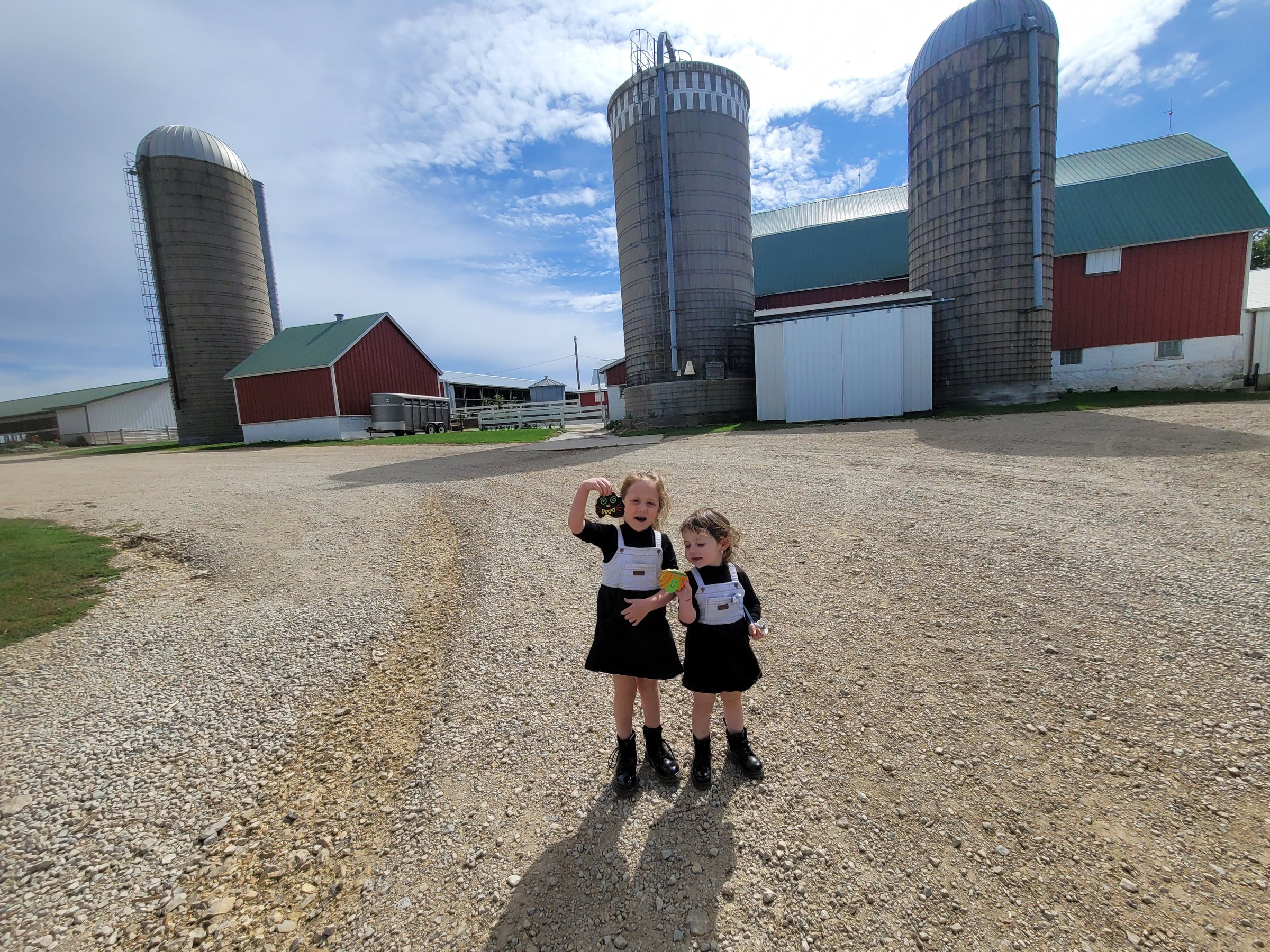
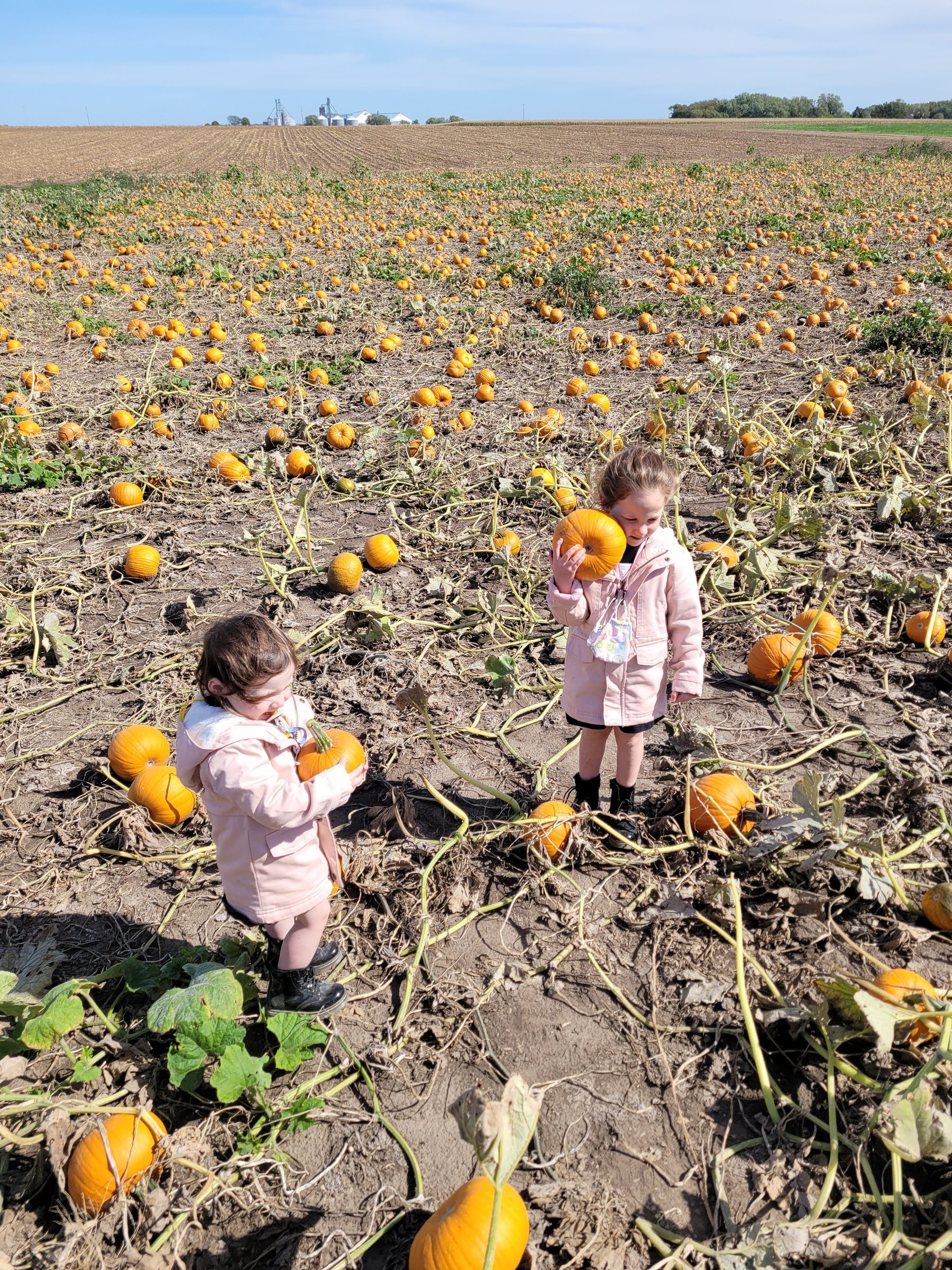
Wisconsin is deeply Midwestern, but there was something about its food, architecture, farmland, and culture that carried a European feeling too. Cheese, beer, old immigrant traditions, little towns, and communities shaped by generations of Germans, Scandinavians, and other Europeans all seemed woven into the state.
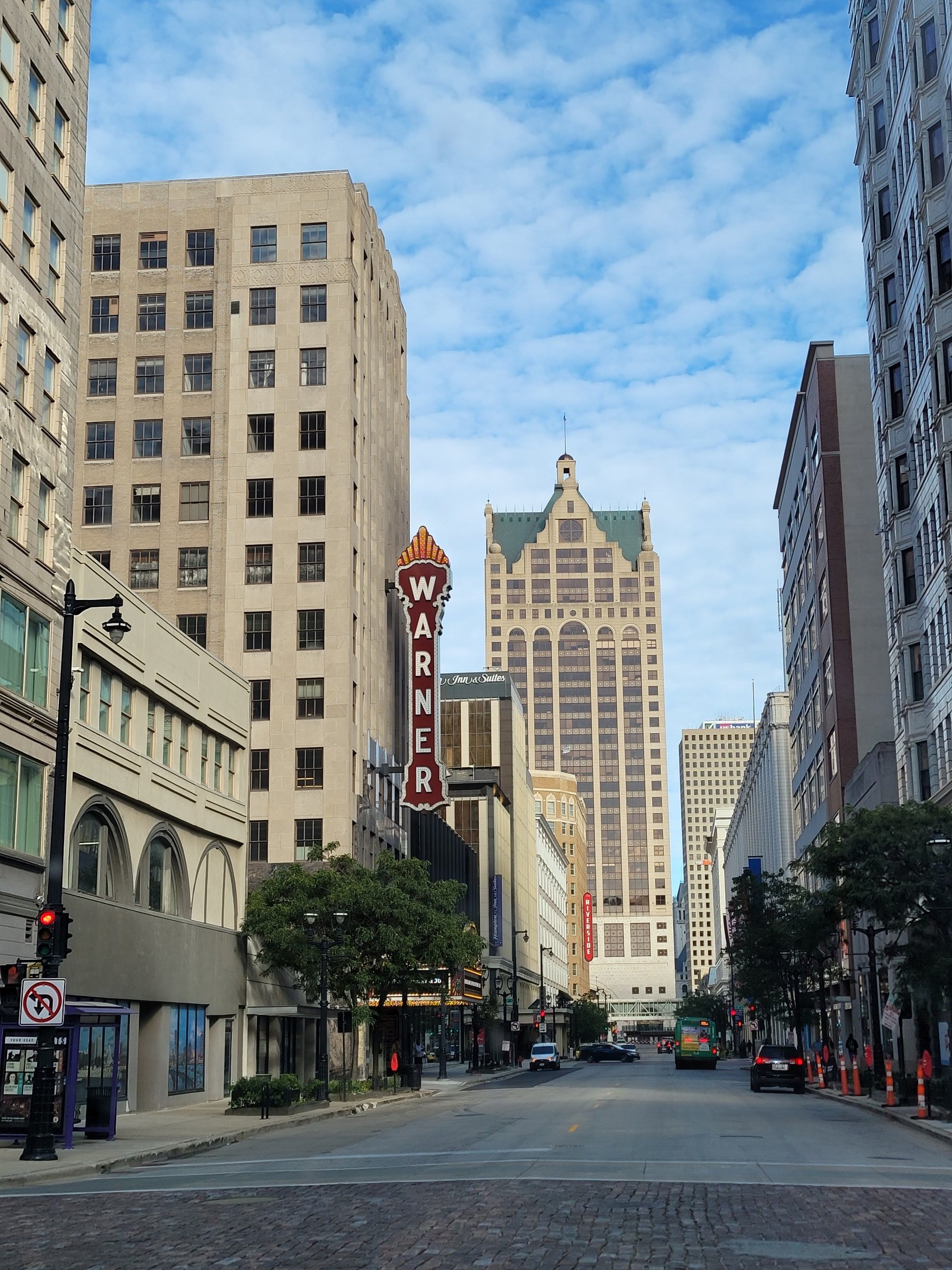
Our first major stop was Milwaukee. Milwaukee surprised me. It is smaller than its national reputation might suggest, but it has everything you expect from a major American city, a skyline, the river cutting through downtown, restaurants, neighborhoods, culture, and plenty of personality, just on a more manageable scale.
From there, we headed north toward Green Bay and Whitefish Dunes State Park. At Whitefish Dunes, we climbed the massive freshwater sand dunes overlooking Lake Michigan. Blue water on one side, golden sand on the other, it almost felt strange reminding ourselves that this was a lake and not an ocean.
We spent time in historic Green Bay and then continued toward Oshkosh for the night.
Early the next morning, before sunrise, we headed to Horicon Marsh. That became one of the quiet surprises of the trip.
The sun began reflecting across the water as the marsh slowly came alive. Birds seemed to appear everywhere. We spotted cranes, countless colorful species, and even a magnificent bald eagle sitting high in a tree. For a while, we simply sat quietly and listened. It sounded like the entire creation was waking up around us.
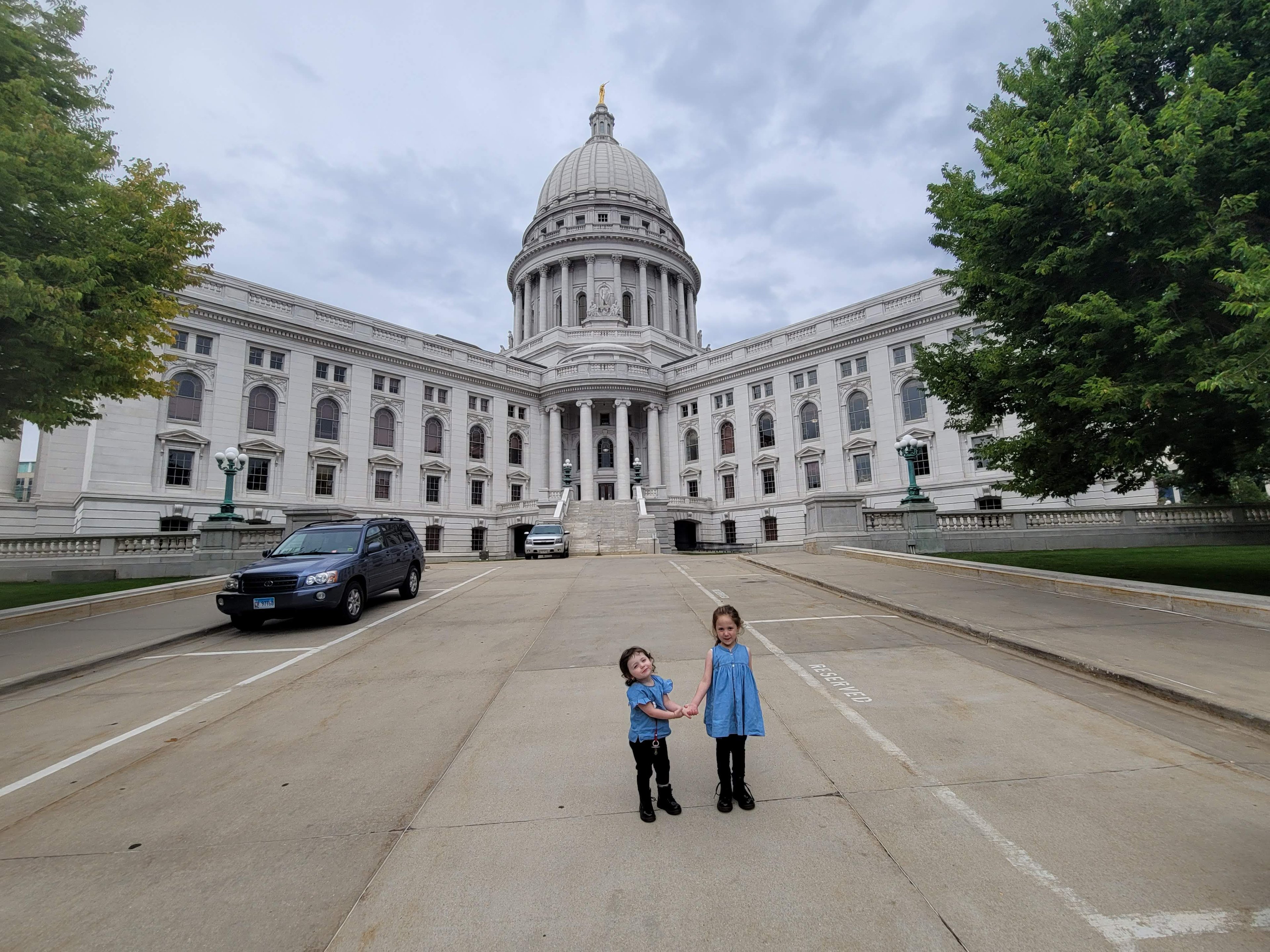
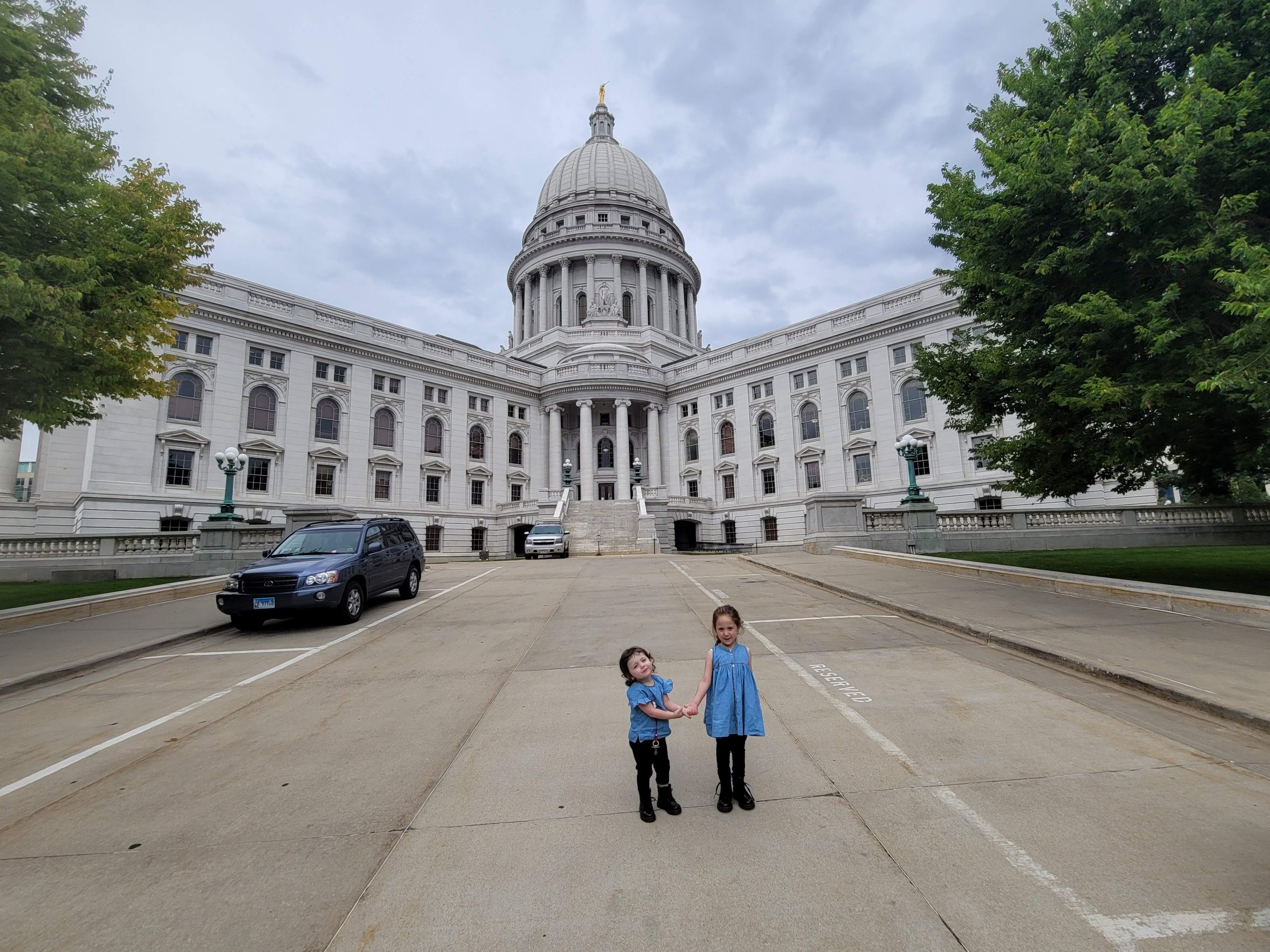
Then came Madison. Madison may be one of the most charming state capitals we visited. The Capitol rises above the city between the lakes, and local law has helped preserve its dominance over the skyline. We walked through the magnificent building, continuing our journey through every capital in America.
And because this is Wisconsin, we somehow ended up at the National Mustard Museum.
I arrived wondering how interesting a museum devoted entirely to mustard could possibly be.
Turns out, quite interesting. There were mustards from around the world, flavors I did not know needed to exist, and even a vending machine devoted entirely to mustard.
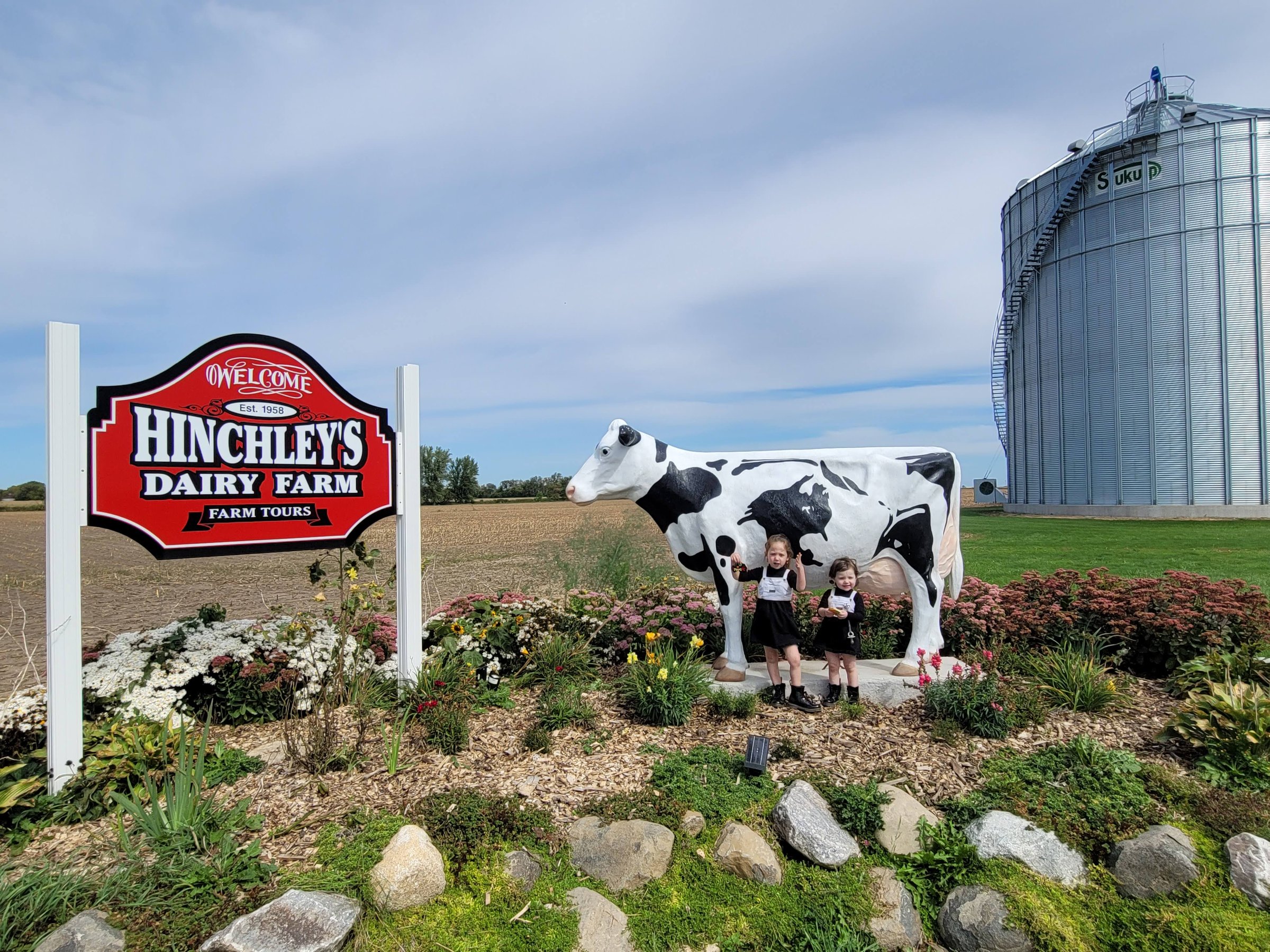
But no Wisconsin trip would have been complete without cows.
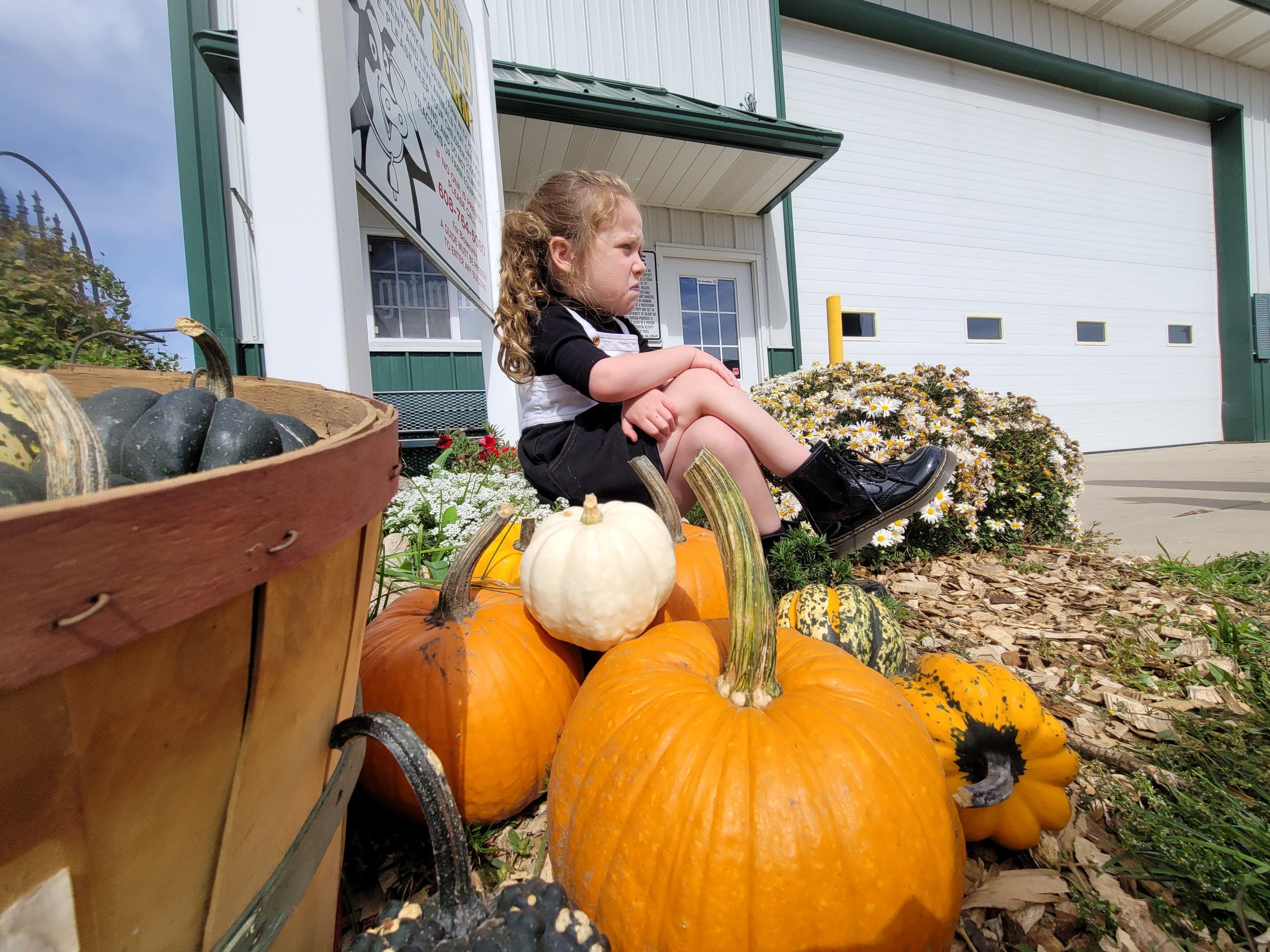
At Hinchley’s Dairy Farm, the girls put on their farm coverings, walked among the cows and other animals, fed them, and learned firsthand how milk makes its way from the farm toward the products we see in the store.
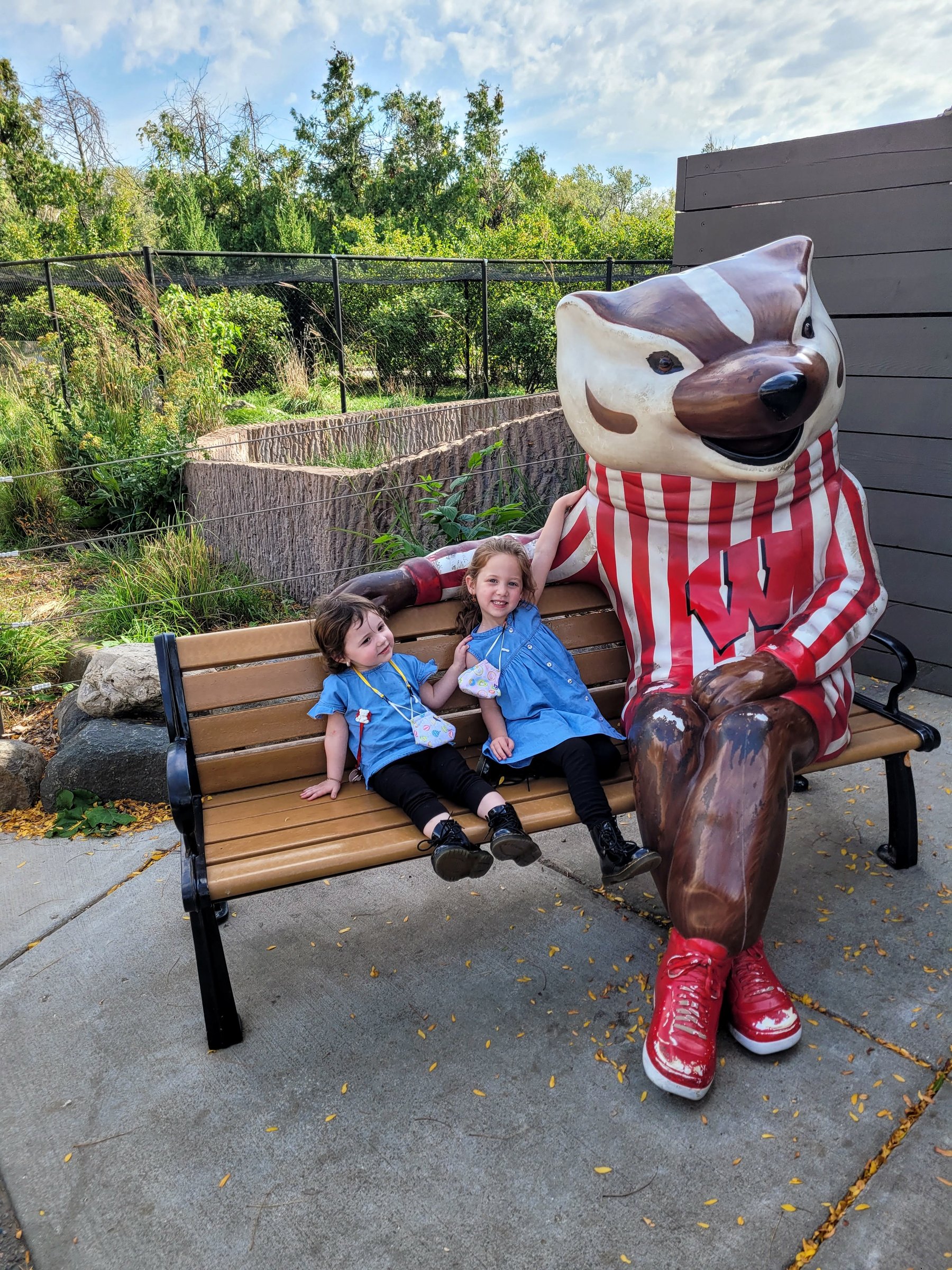
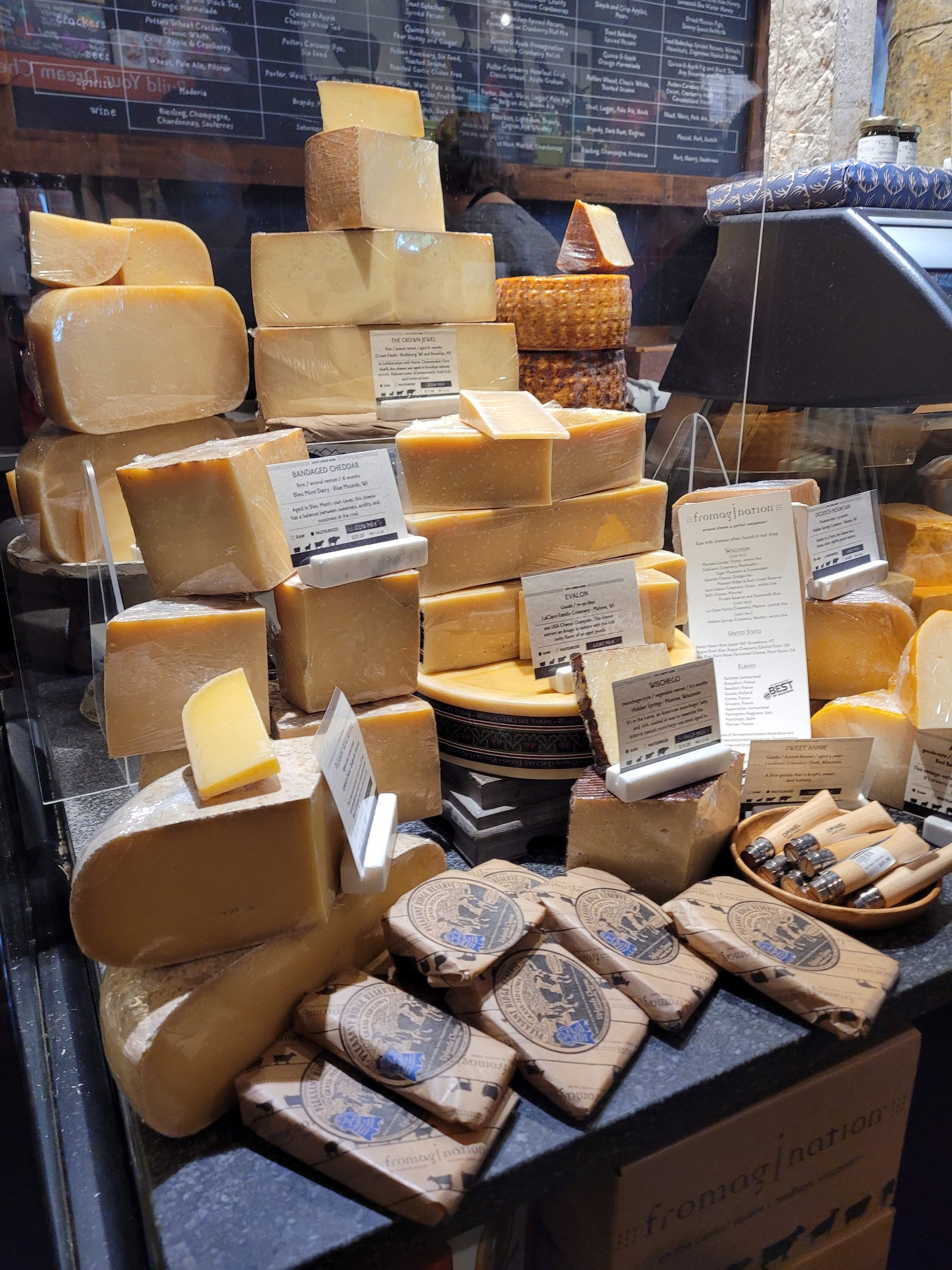
We also explored Wisconsin’s famous cheese culture. Entire stores were devoted to cheese, with varieties from mild to smoked to colors and flavors I had never seen before.
Wisconsin definitely earned its title as America’s Dairyland.

Jewish Wisconsin
Jewish Wisconsin surprised me by how deep and influential its story is.
In Milwaukee, we did not have to search very hard for Jewish life. We davened with the local community, stopped at Quick Kosher for food, and experienced a community that felt much stronger than what I normally expect when I hear “out of town.”
There are synagogues, kosher food, Orthodox families, and even a small Hasidic world that has survived here for generations.
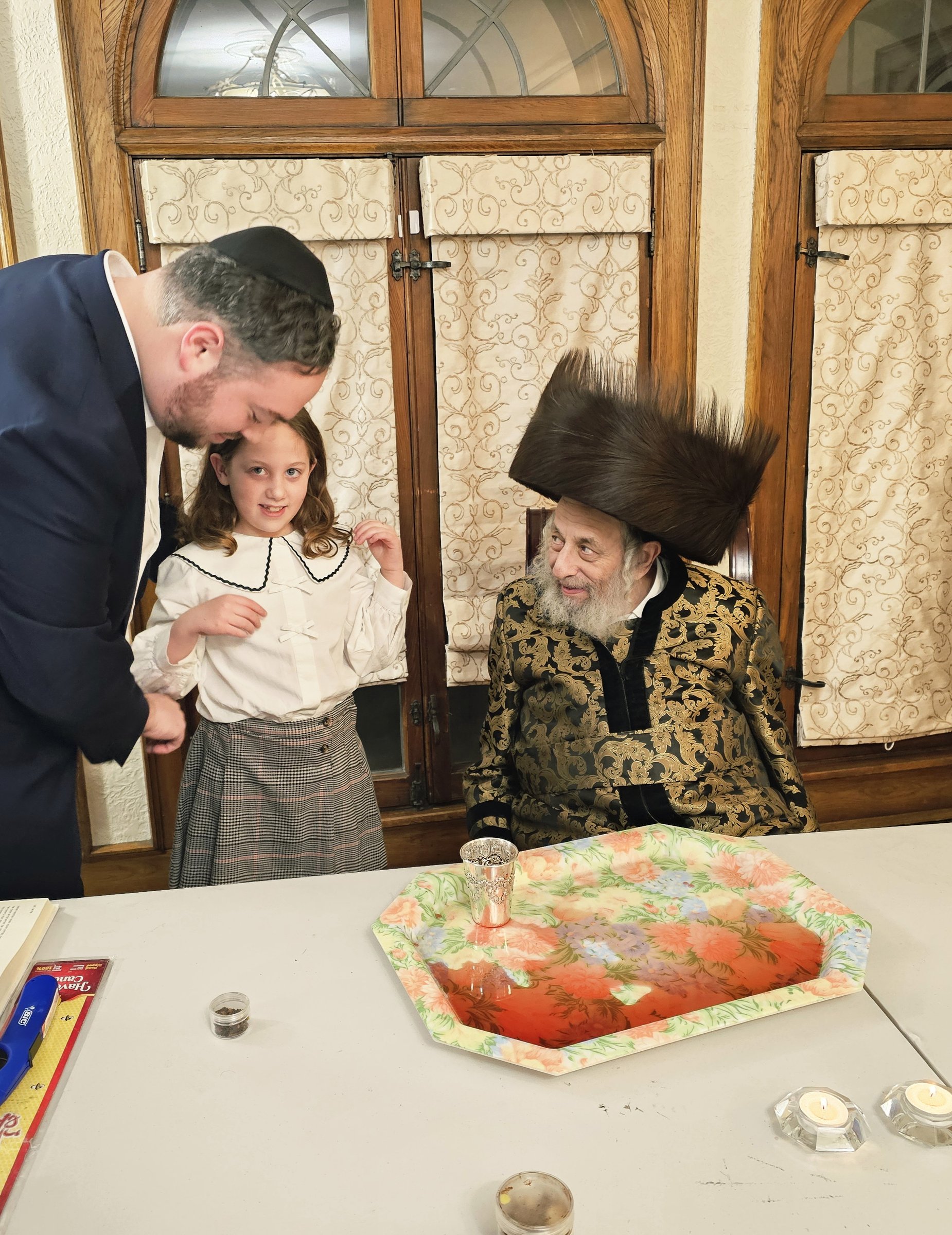
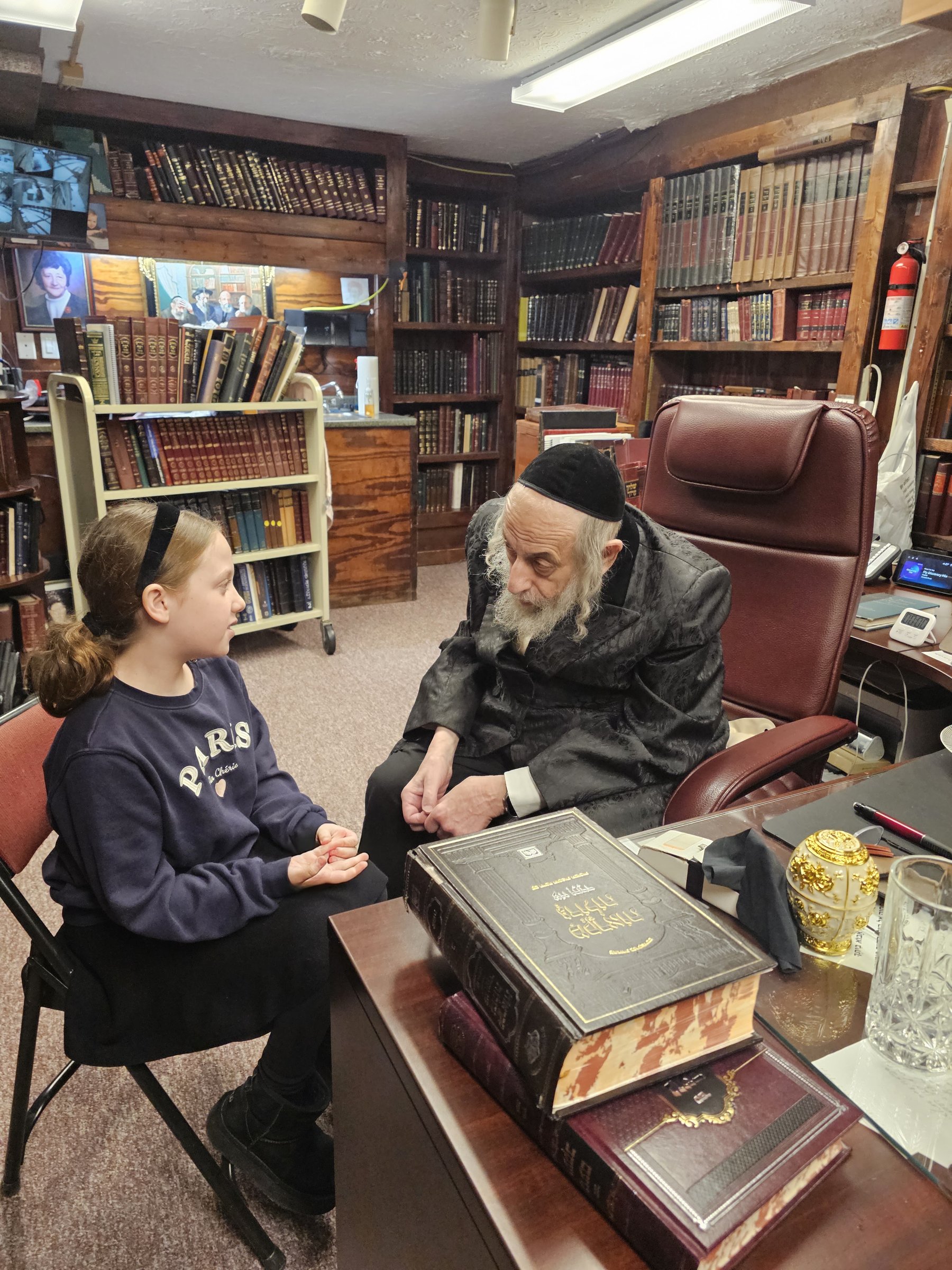
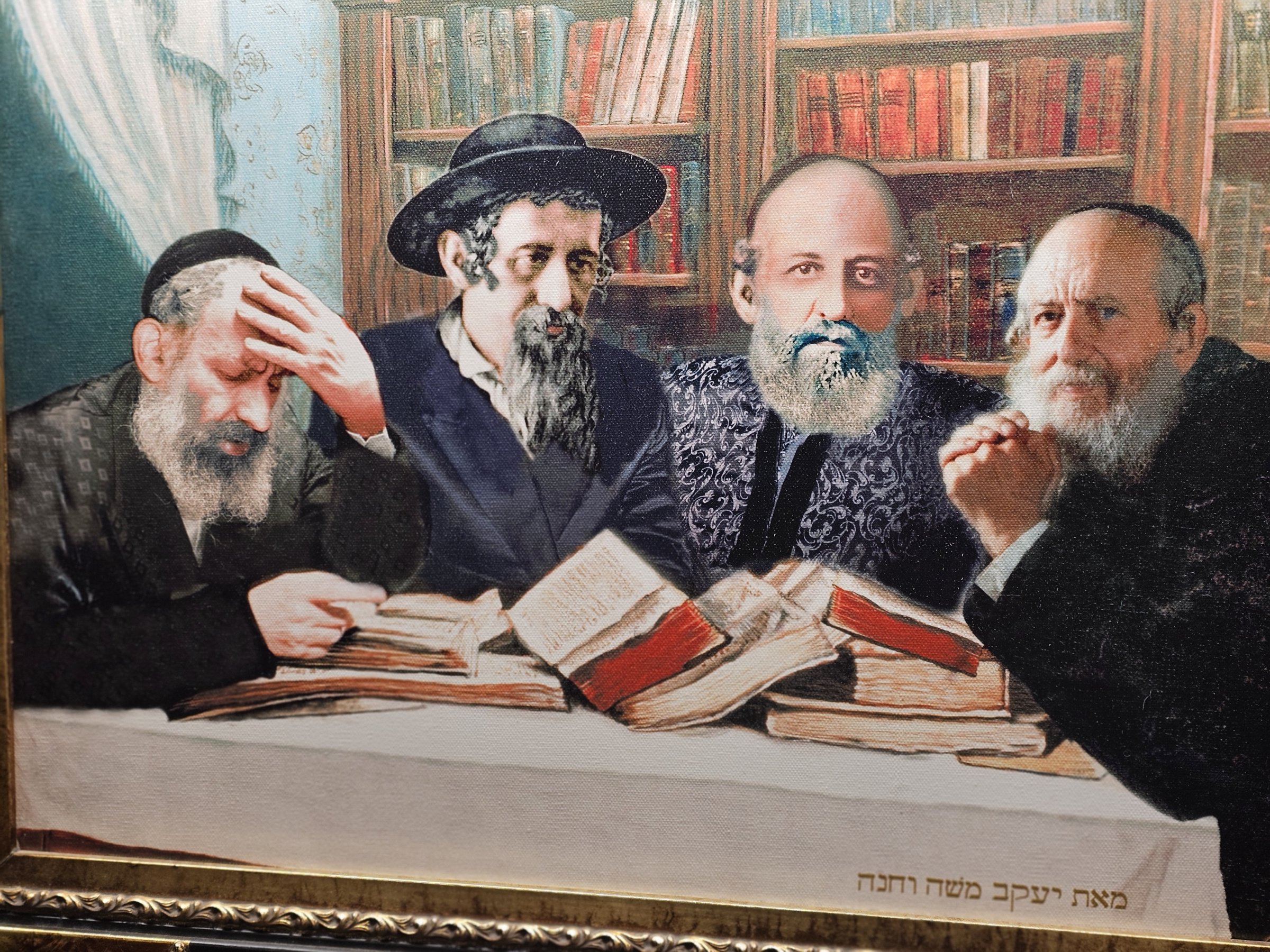
On another visit, I spent Shabbos at Beth Yehuda with the Hornosteipel community and had the privilege of spending time with the Hornosteipel Rebbe, Rabbi Yechiel Michel Twerski. Sitting in Milwaukee and experiencing that warmth and old world Hasidic tradition was something I never would have associated with Wisconsin before going there myself.
But Wisconsin’s Jewish history reaches much further back.
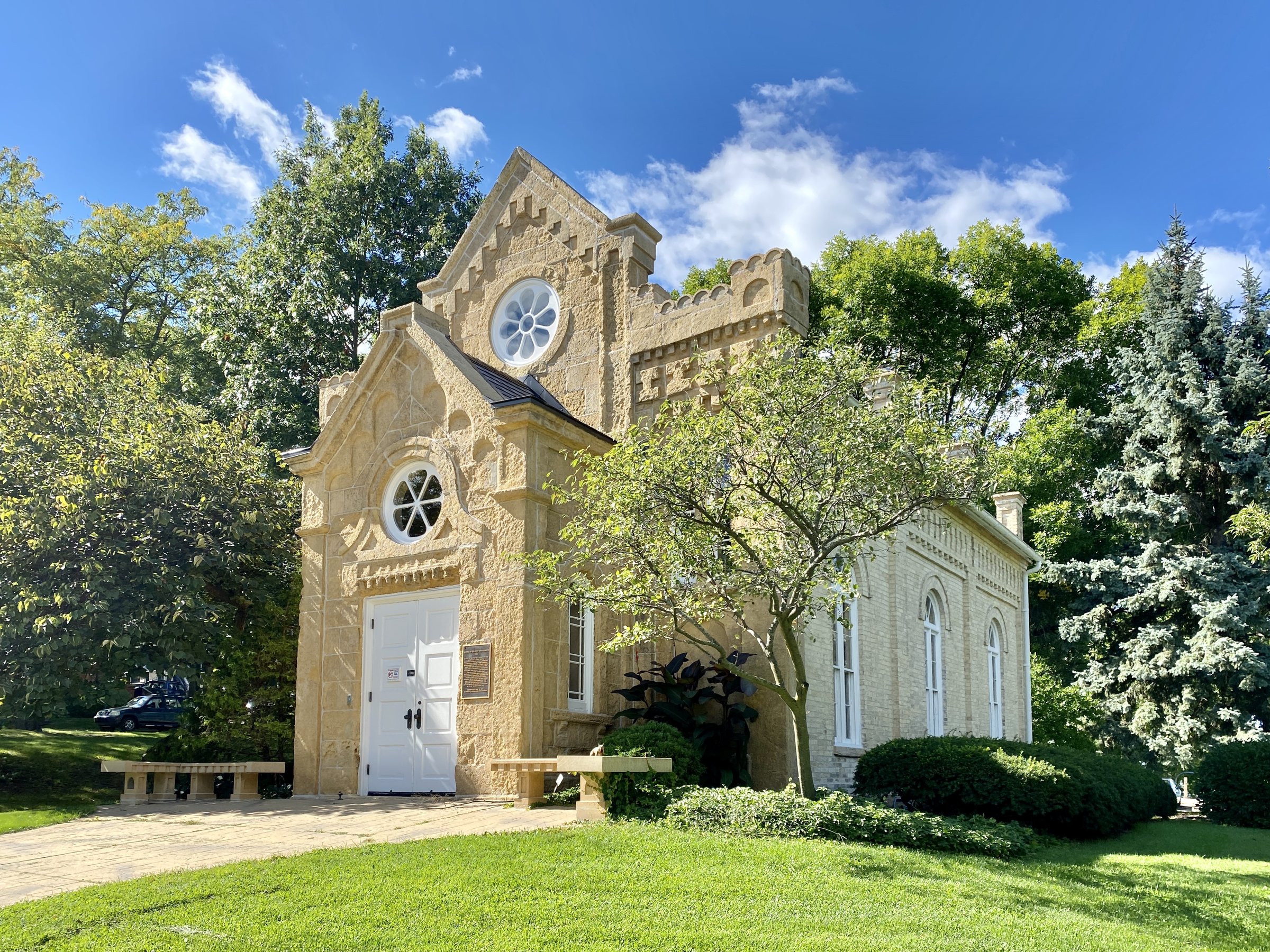
In Madison, we visited the old Shaarei Shomayim synagogue, today known as Gates of Heaven. Built in 1863, it is one of the oldest surviving synagogue buildings in America. The remarkable part is that the entire building was physically moved in 1971 to James Madison Park to save it from demolition.
Standing there and saying a quiet prayer inside a synagogue whose walls had literally been picked up and carried to safety felt especially meaningful.
Wisconsin also produced Jewish figures who helped shape the state far beyond their numbers. Edward Salomon served as governor during the Civil War. Julius Heil later became another Jewish governor. The Kohl family built one of America’s major retail companies, while Jewish immigrants also created businesses like Master Lock and Manpower.
And then there is Milwaukee’s own Golda Meir, who grew up here before eventually becoming prime minister of Israel.
Jewish Wisconsin was not simply a little community that survived in the Midwest. Jews helped build Wisconsin.
What Stayed With Me
What stayed with me about Wisconsin was how much identity a state can build around the things it does well.
Cheese, farms, industry, lakes, immigrant culture, and strong little cities all seemed to fit together naturally.
Wisconsin did not feel like it was trying to imitate anywhere else. It had developed its own flavor. Quite literally.
Have a story, an idea, or a reason to connect?
For editorial inquiries, media, speaking, collaborations, historical research, or simply a story you think I should know I'd be glad to hear from you.
Contact Dov