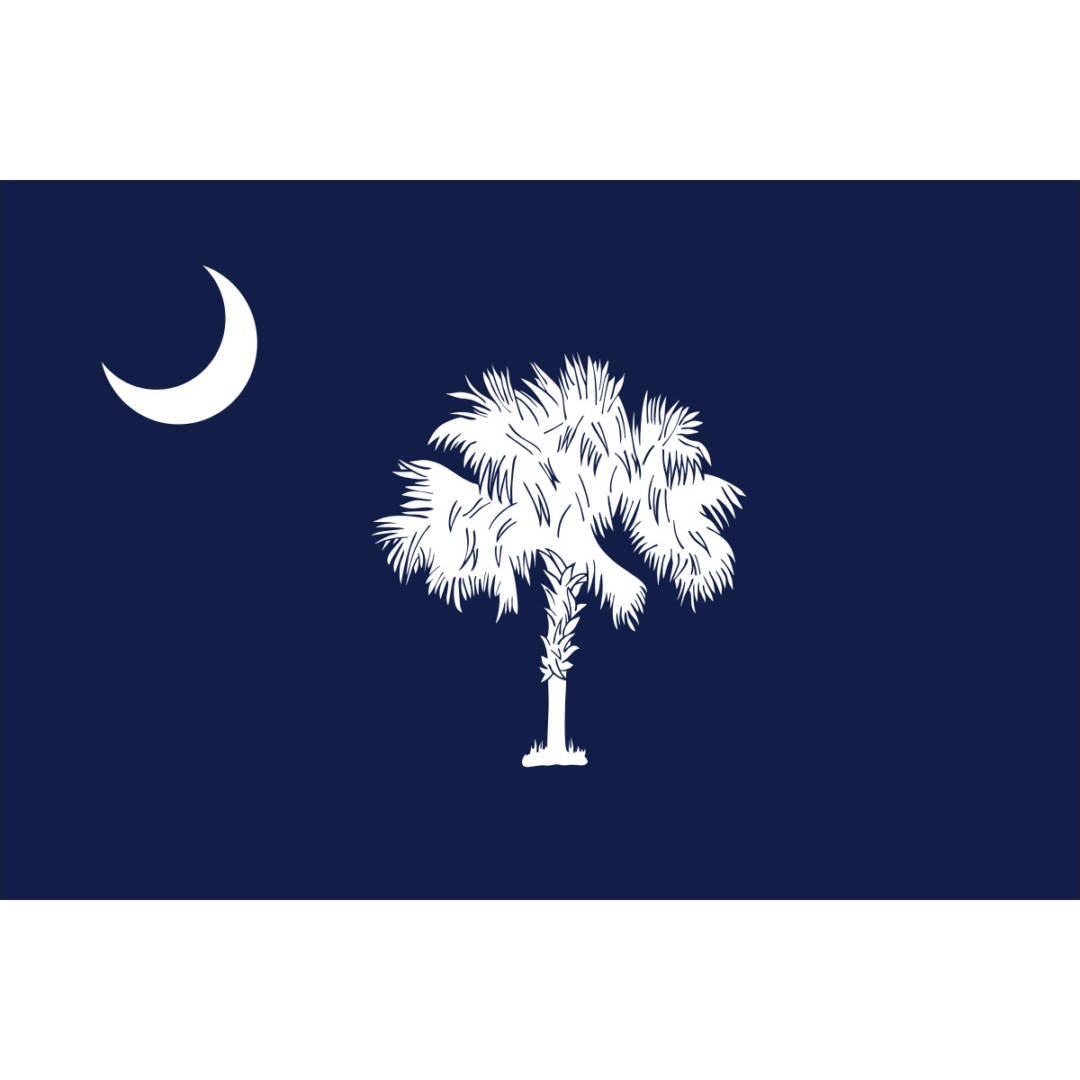
South Carolina
Where the roots run deep, pun intended.
Myrtle Beach · Columbia · Congaree · Charleston

The Journey
South Carolina gave us a very unique experience. While it might not occupy every traveler’s itinerary, it quickly became a place we think about often.
Our first experience was Myrtle Beach, which admittedly felt a bit touristy. The museums, beaches, amusement attractions, and everything around them were clearly built for visitors. We did not feel like we had reached the heart of South Carolina yet, but it was certainly fun for the girls.
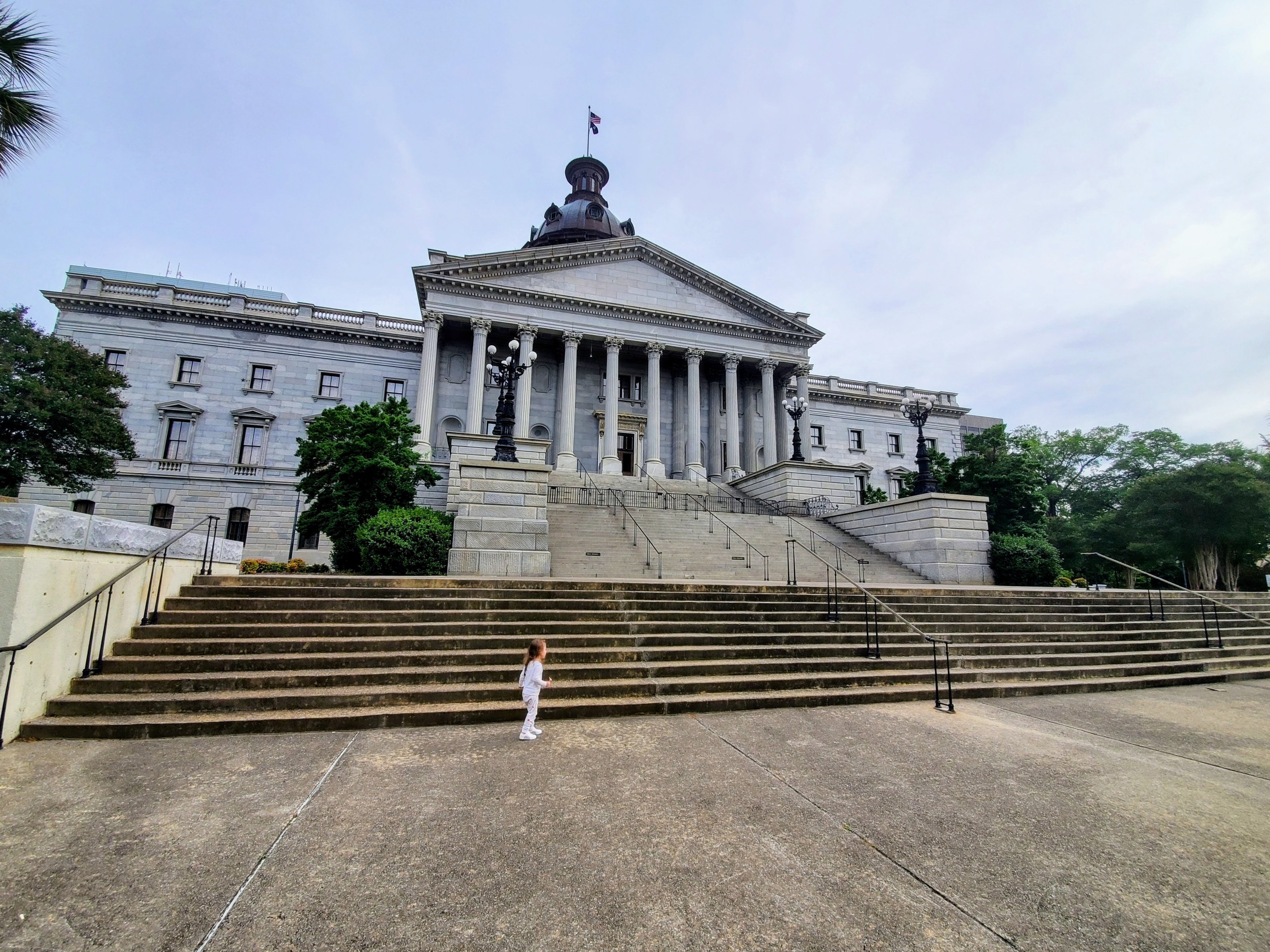
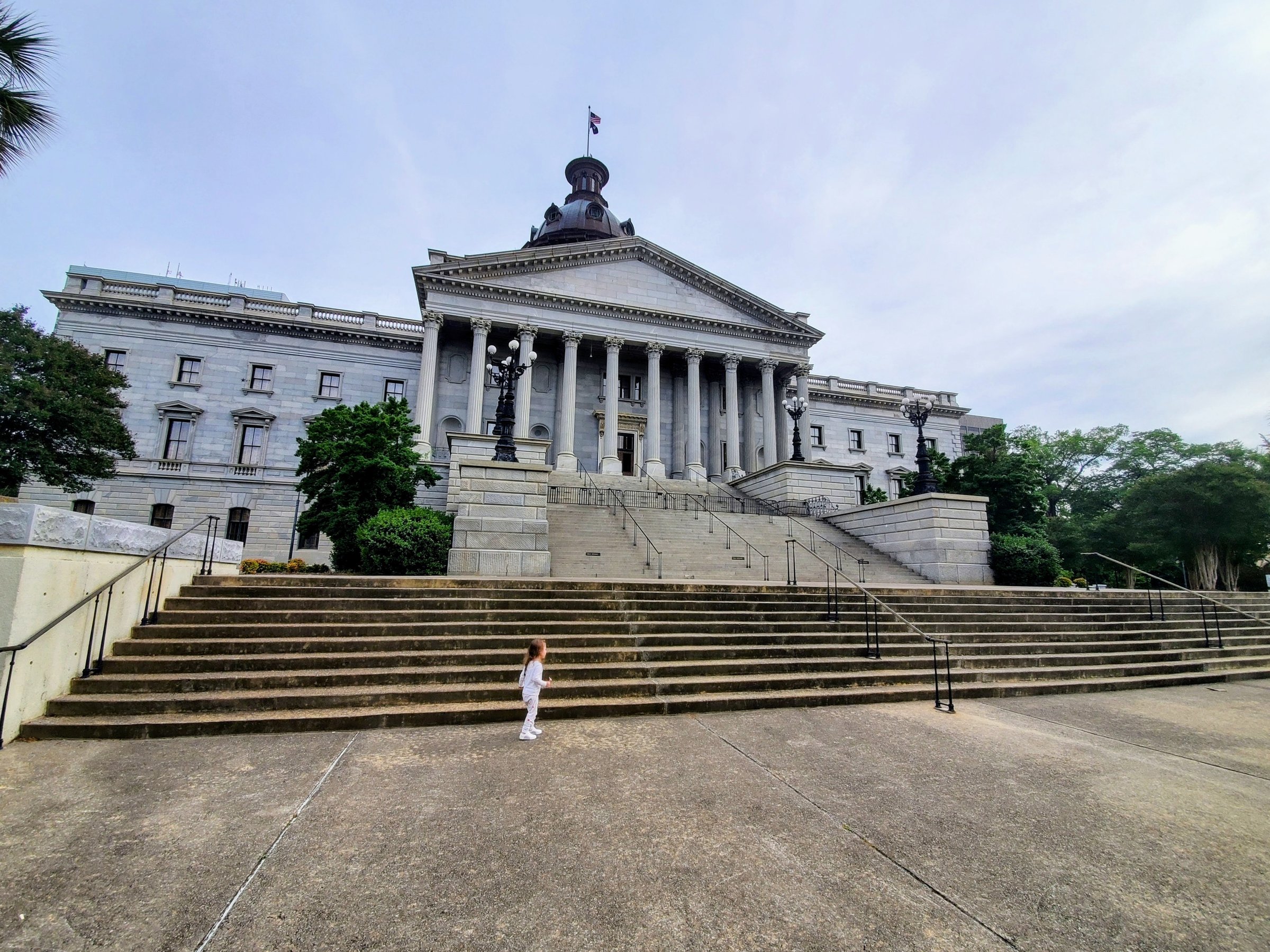
From there, we made our way to Columbia to visit the State House, continuing our tradition of visiting every state capital in America.
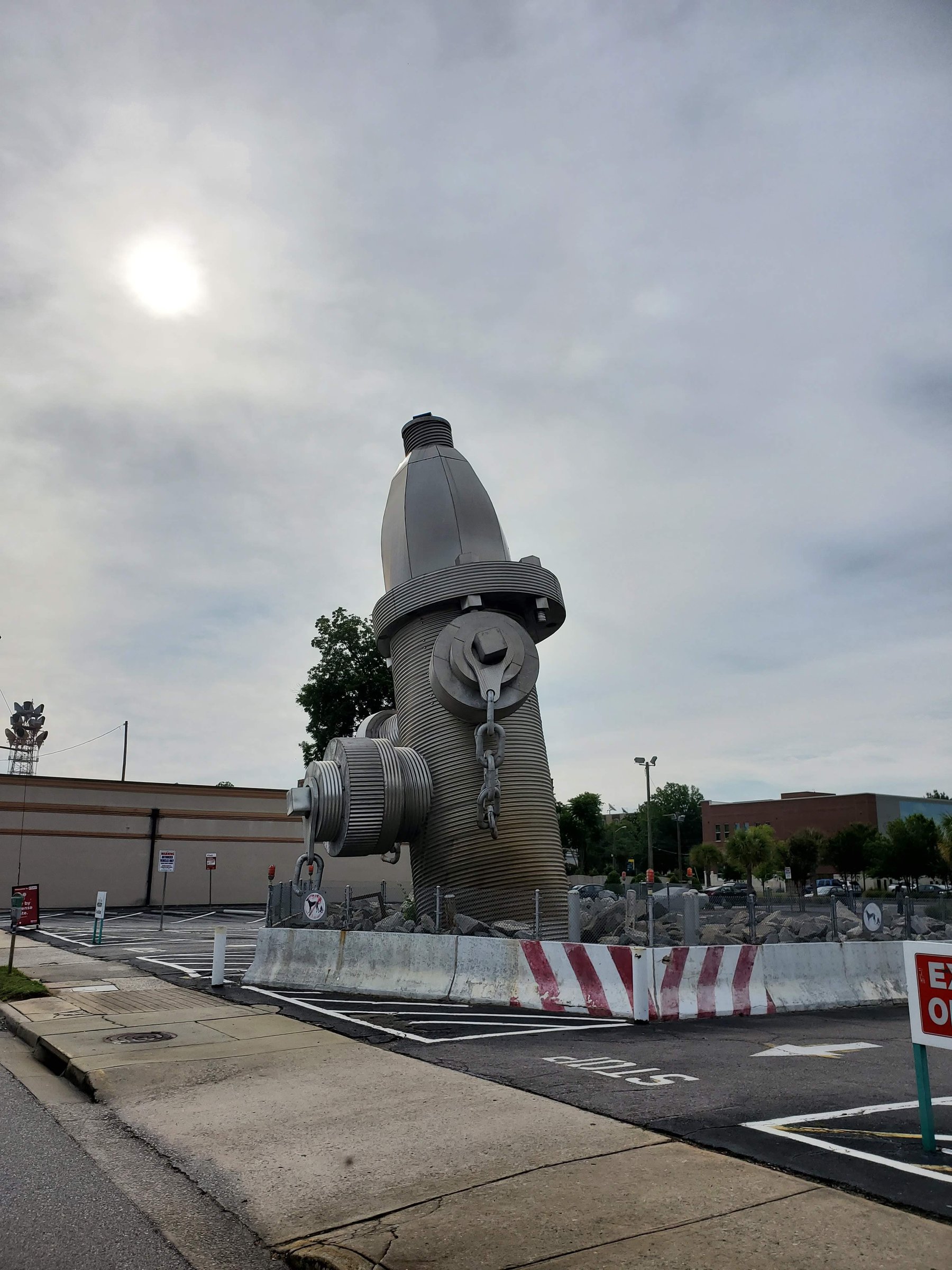
Driving down the street, the girls suddenly shouted, “OMG, this is huge!”
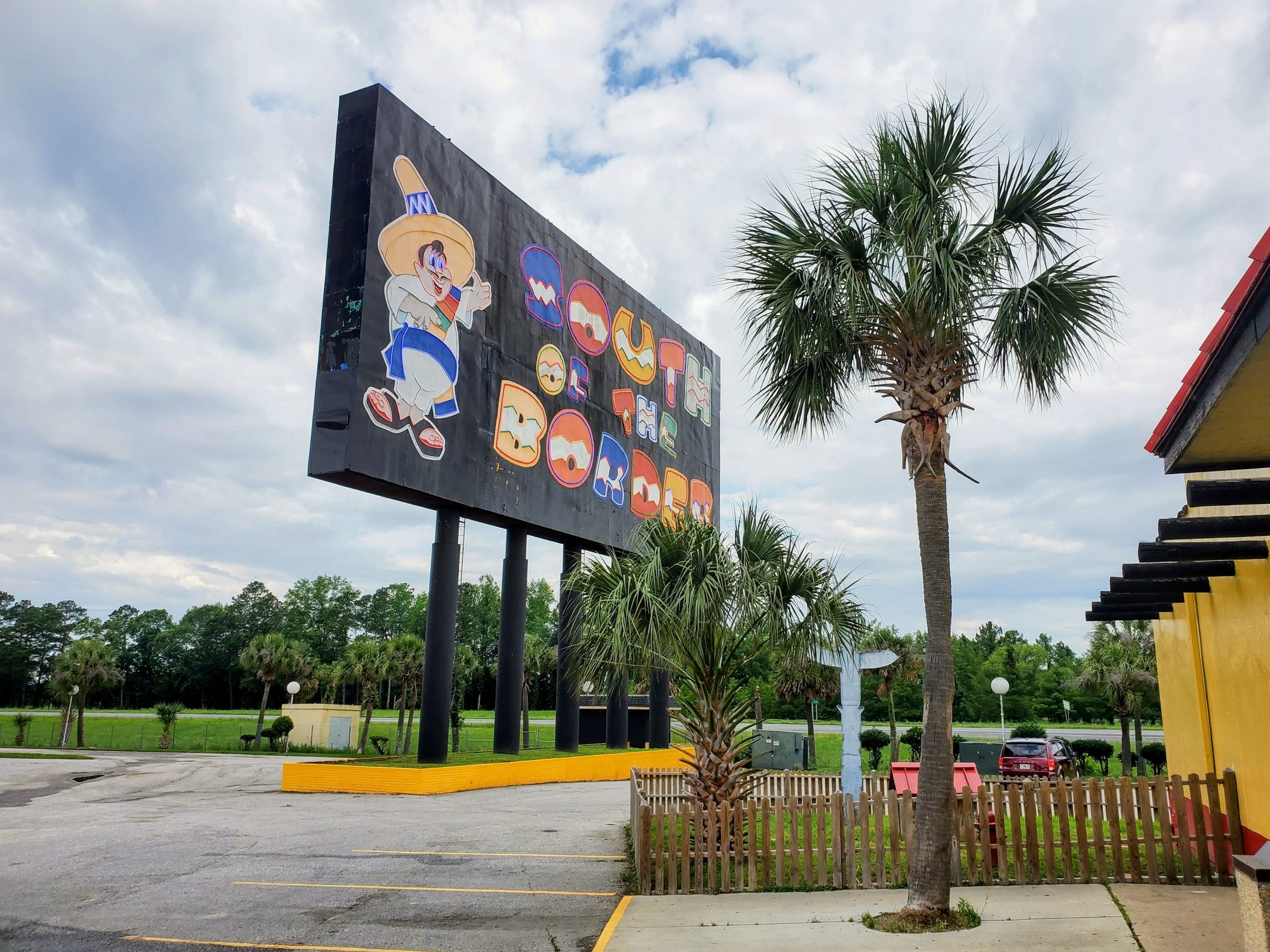
Before I even knew what they were talking about, I saw it. A massive fire hydrant standing along the road. We stopped for pictures and discovered the famous Busted Plug, once billed as the world’s largest fire hydrant.
From there, we headed to Congaree National Park.
While researching beforehand, I had seen people rank Congaree among the less exciting national parks, so we arrived with a grain of salt and plenty of curiosity.
We had barely entered the parking area when the towering loblolly pines appeared around us. They looked straight out of a painting. After traveling to so many places, this was still one of those wow moments. I stopped the car, walked into the forest for a few minutes, took some deep breaths, snapped a few photos, and reluctantly made my way back.
We followed the very specific speed limits, 27, then 13, and eventually reached the visitor center.
There we were greeted by a wonderful older park ranger who gave the girls their Junior Ranger books and showed us around. We checked the mosquito meter and were very relieved to see it sitting at level one, the lowest. We still covered ourselves in bug spray. No reason to take chances.
Then we stepped onto the 2.7-mile boardwalk.
It became one of the most magical hikes we had done. Towering trees, wetlands, floodplains, turtles, fish, birds, and some truly enormous spiders sitting inside magnificent webs. For long stretches, we were surrounded by nature and nothing else.
The national park we had arrived expecting the least from quickly became one of the great surprises of the trip.
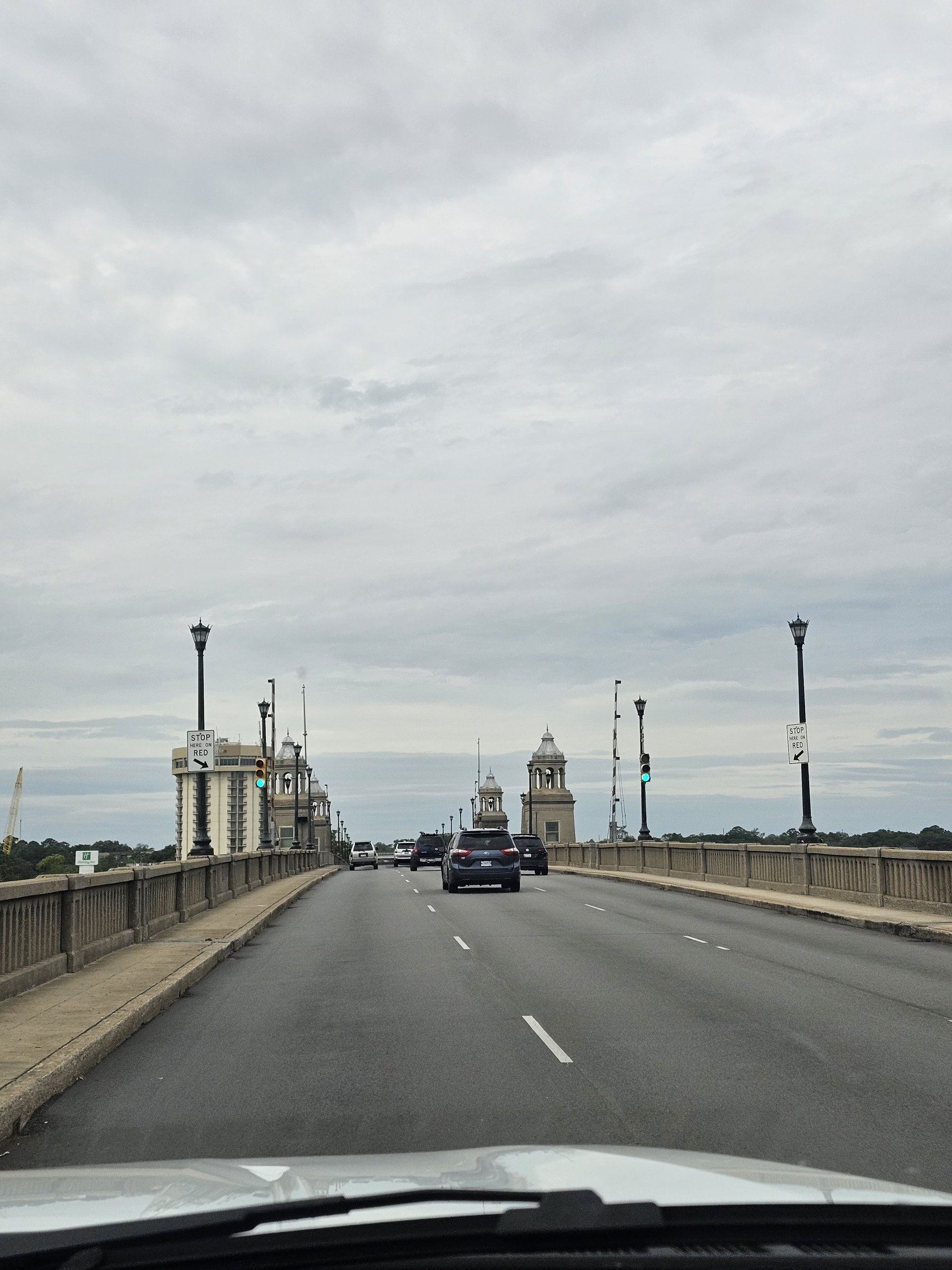
From there, we headed toward Charleston. Along the way, we passed vast fields of white cotton, windows down, breeze coming through the car, and beautiful Southern scenery stretching around us.
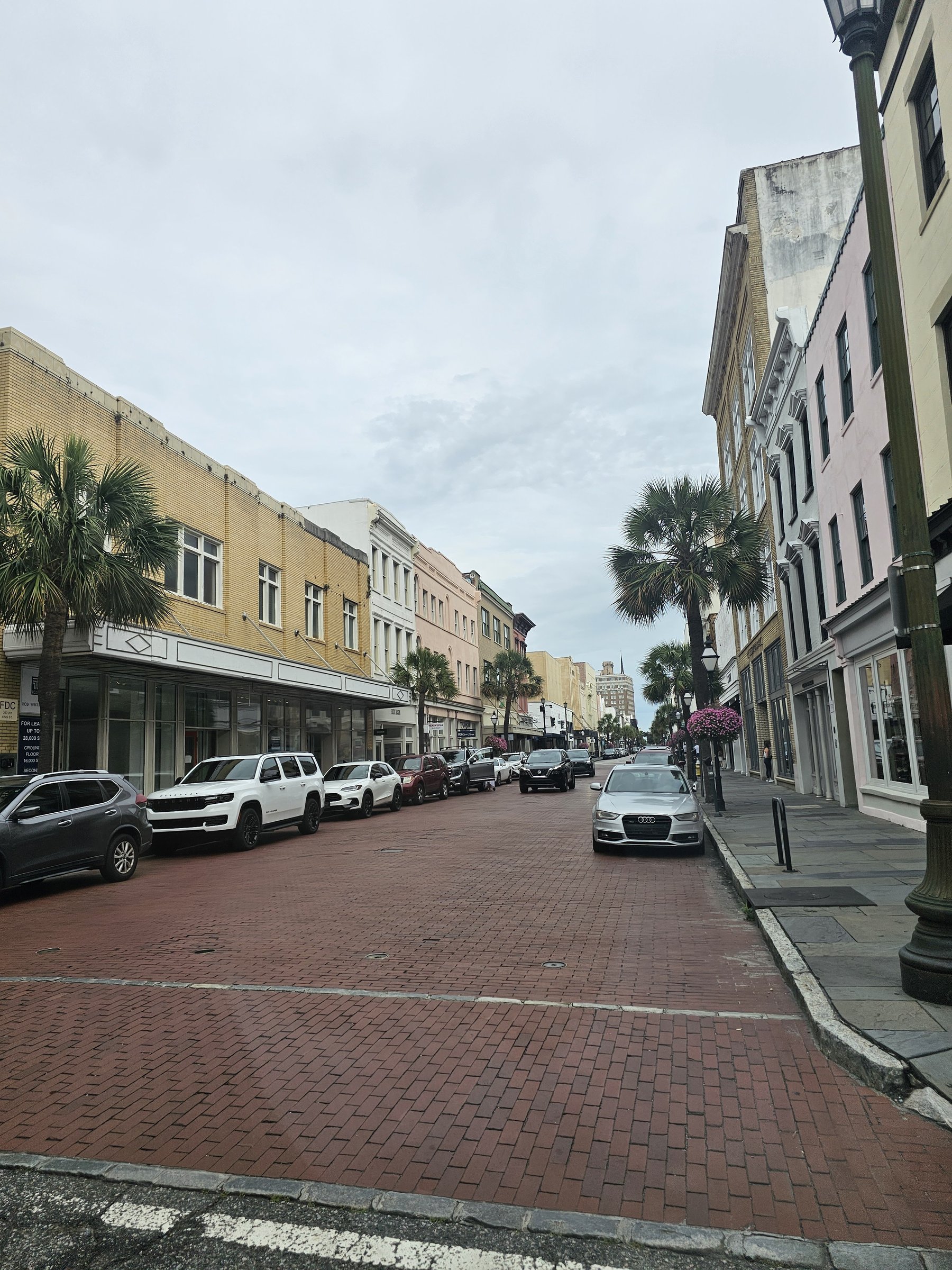
Charleston immediately won us over.
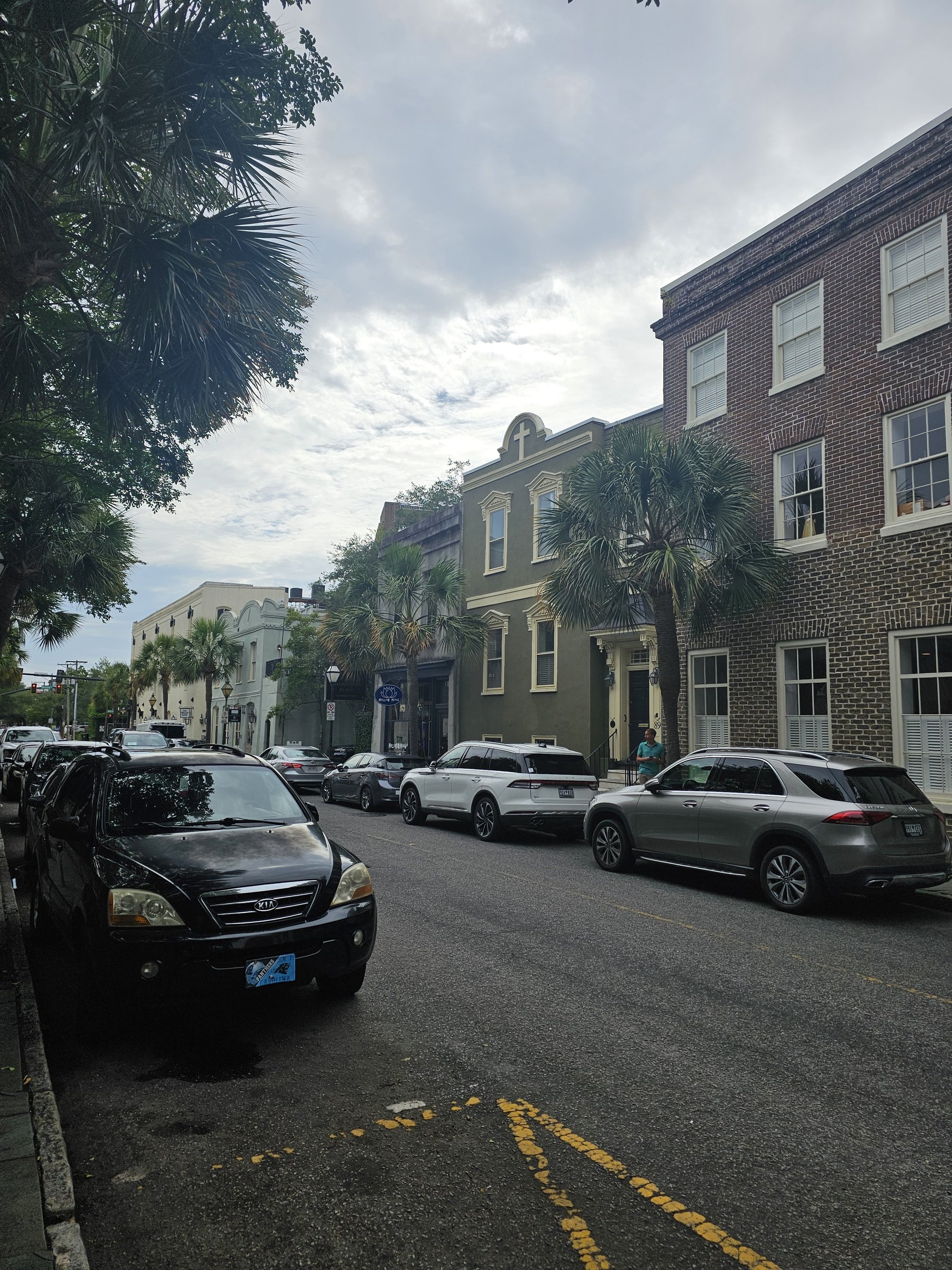
We walked through Rainbow Row, where Leah once again proclaimed her lifelong loyalty to pink. We explored the markets, waterfront, old streets, and beautifully preserved buildings.
Charleston quickly became one of the most intact, charming, and beautiful cities we had visited anywhere in the country.
Jewish South Carolina
Charleston gave us one of the richest Jewish history experiences of our entire journey.
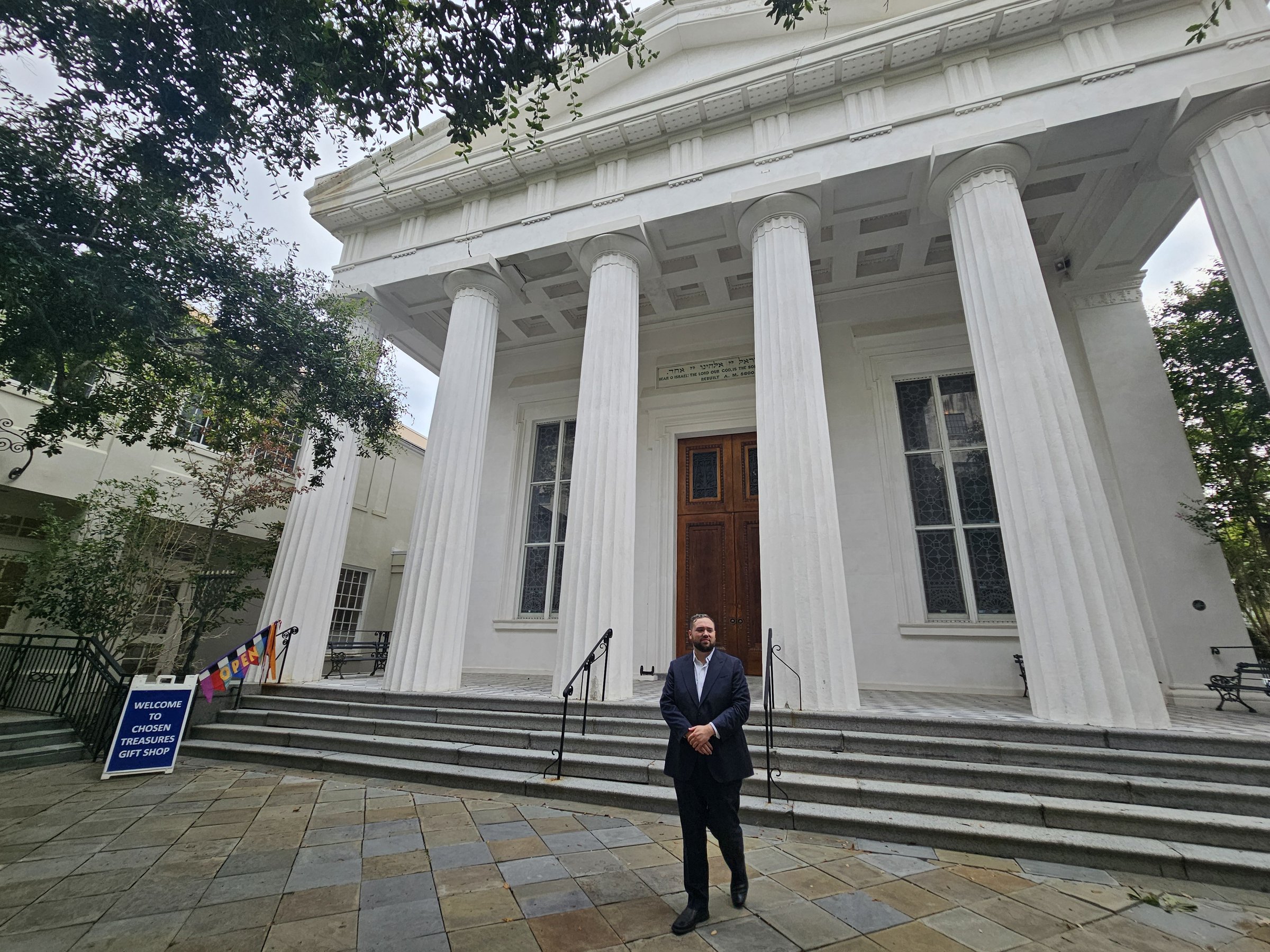
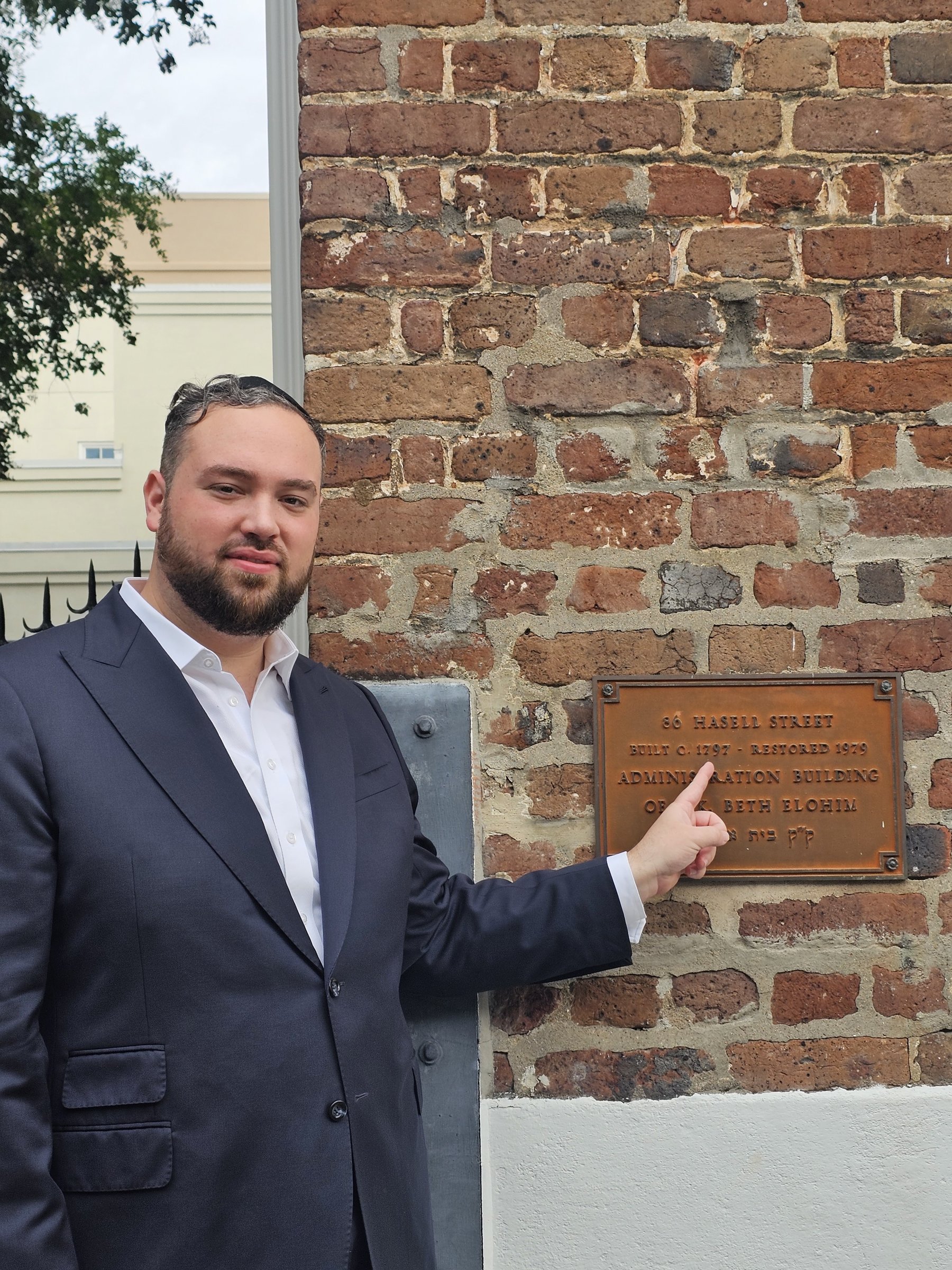
I visited Kahal Kadosh Beth Elohim, whose congregation was founded in 1749. Walking toward its grand entrance and seeing the Hebrew words of Shema Yisrael above me was a special moment. Jewish life had been planted here before America itself existed.
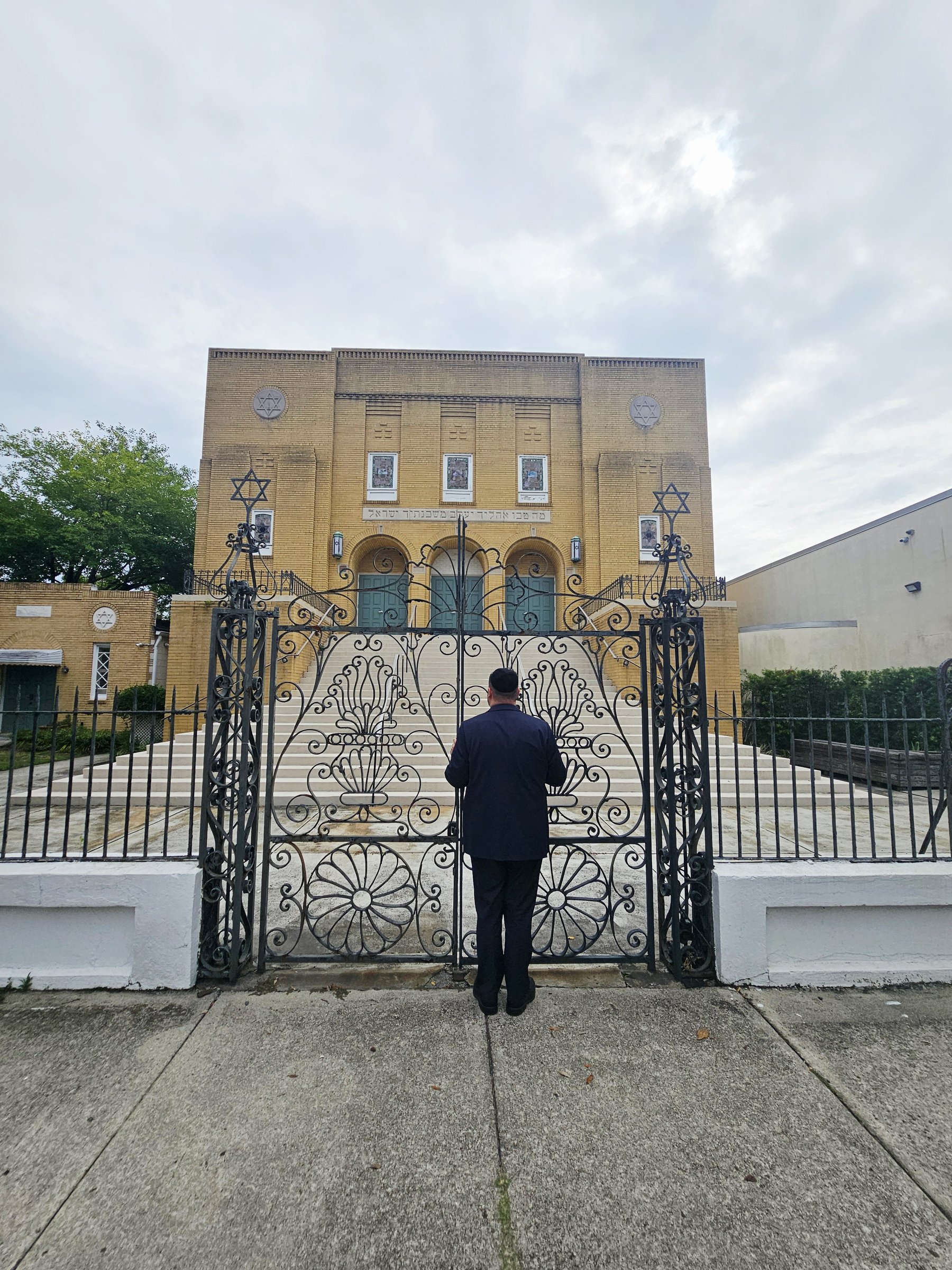
I also visited historic Brith Sholom Beth Israel on Rutledge Avenue, a congregation rooted in Charleston’s traditional Orthodox Jewish community and one of the oldest Orthodox congregations in the South.
But some of the most powerful moments came in the cemeteries.
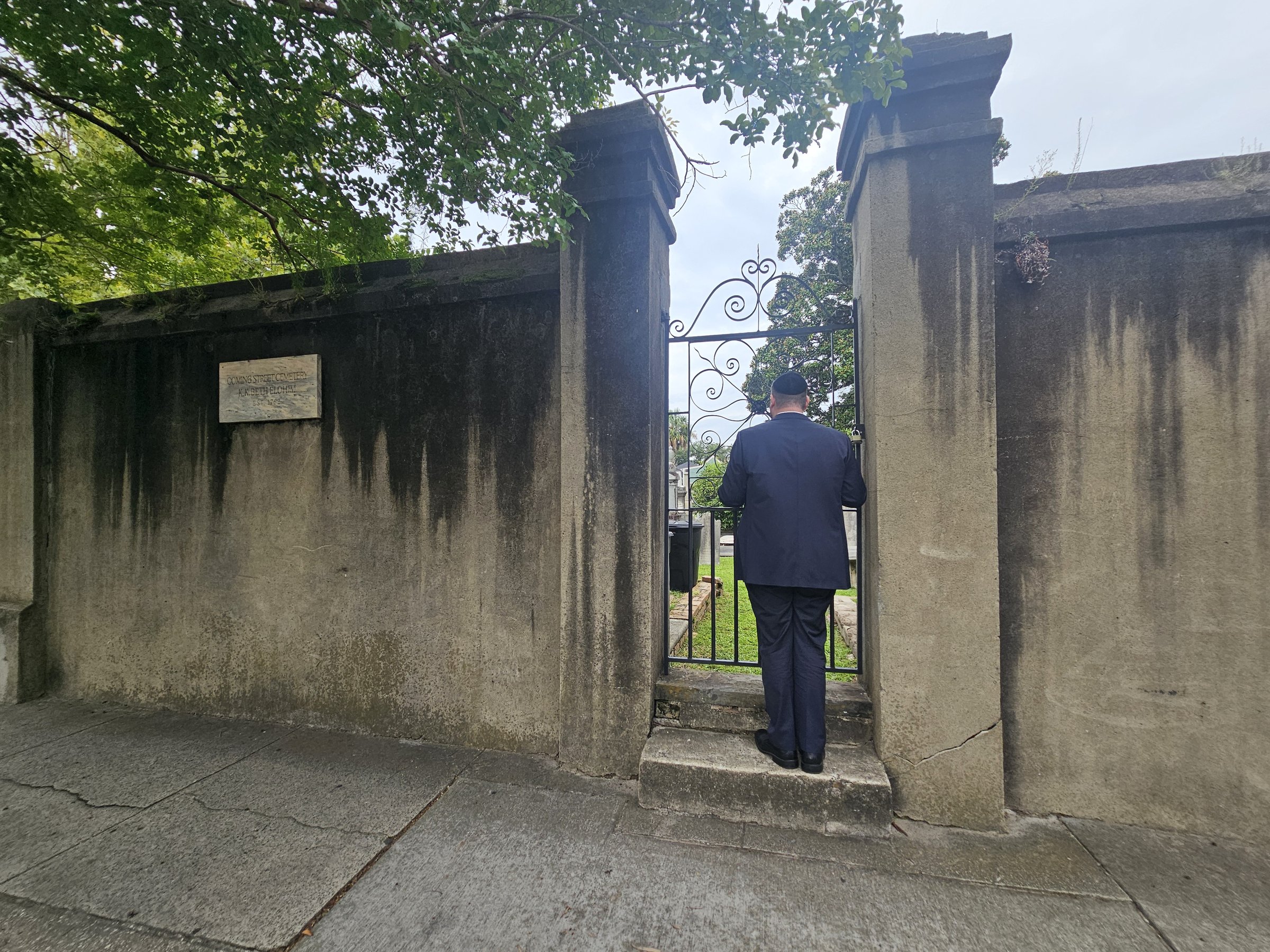
At the Coming Street Cemetery, surrounded by its old concrete and brick walls, I walked among graves dating back to the eighteenth century. I stood at the resting places of people including Moses D. Cohen, the early religious leader whose grave is the oldest identified there, and David Nunez Cardozo, who served during the American Revolution.
Standing there made Jewish Charleston feel incredibly old.
These were not Jews who arrived after America was built.
They helped live its earliest chapters.
I also visited the historic Brith Sholom cemetery near Lemon Street, where I prayed at the graves of Rabbi Yaakov Volaski, Rabbi Abraham Jacob Gillman, and other rabbis who helped maintain traditional Jewish life in Charleston generations ago.
I stood there and prayed for them, but also for us, that Jewish life in South Carolina and throughout America should continue to grow for generations to come.
Charleston reminded me that Jewish life in America is not some recent transplant. It is part of the soil.
What Stayed With Me
What stayed with me about South Carolina was that size has very little to do with substance.
It might be smaller than some of its neighbors, but it carries its own history, culture, cities, and landscapes, including Congaree, one of the great remaining old-growth floodplain forests in America.
South Carolina does not need to be the biggest to matter. It simply needs to be itself.
Have a story, an idea, or a reason to connect?
For editorial inquiries, media, speaking, collaborations, historical research, or simply a story you think I should know I'd be glad to hear from you.
Contact Dov