Oregon
Where every turn changed the landscape.
Portland · Salem · Ontario · Baker City · Sisters · Crater Lake
The Journey
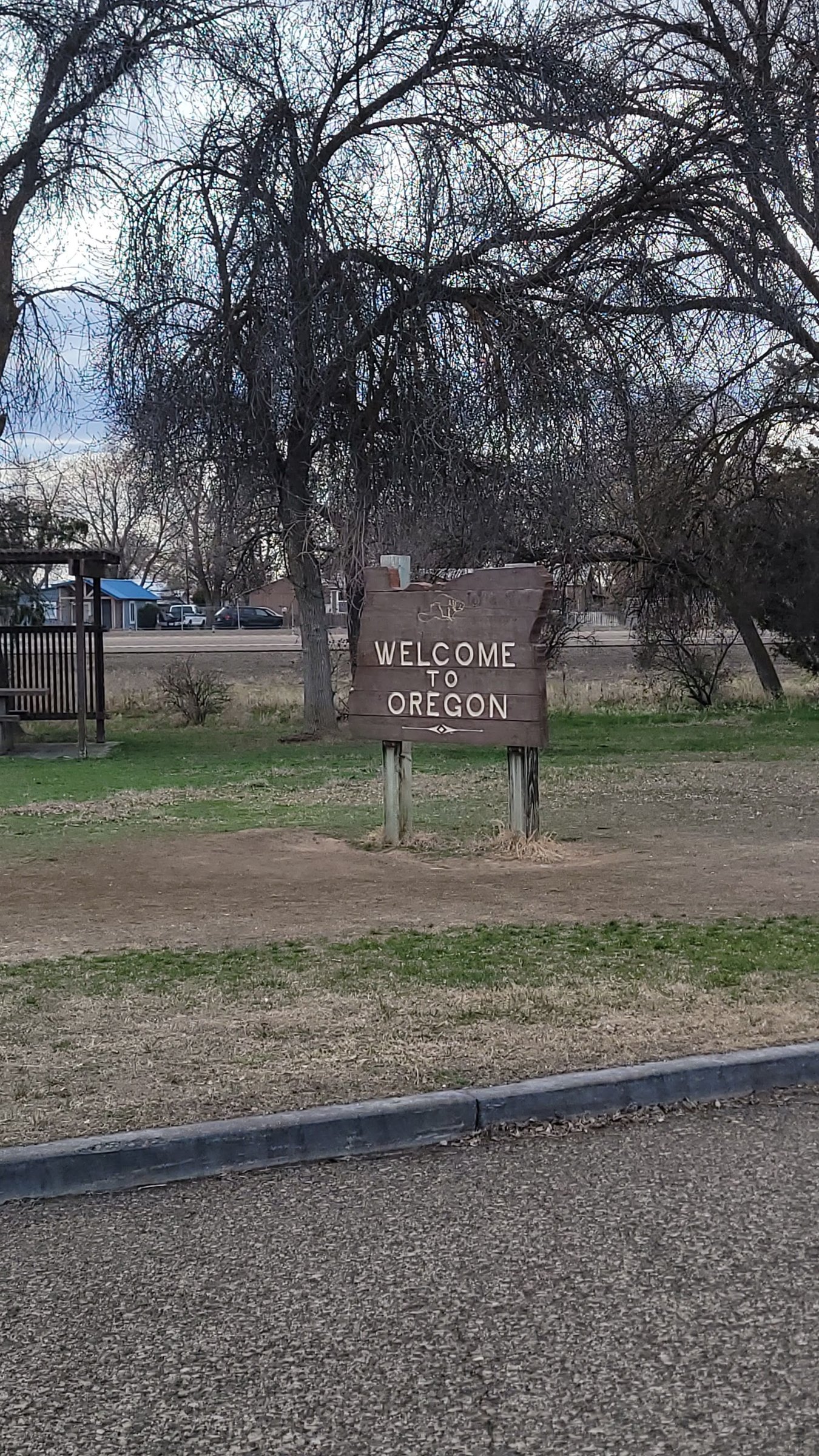
Our Oregon journey began in Ontario, on the Idaho border, with the goal of making our way through the state from east to west. We were not prepared for the beauty that would follow.
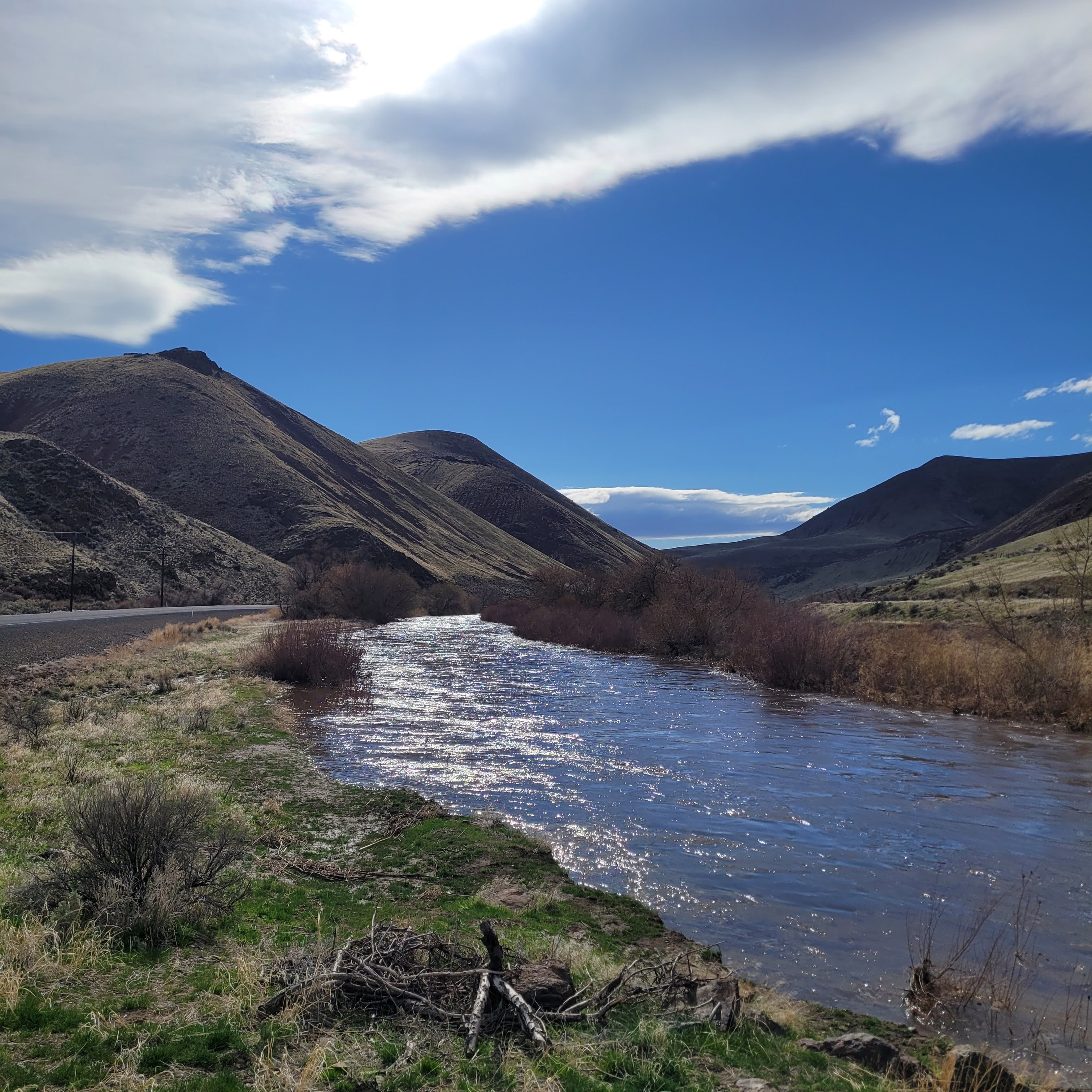
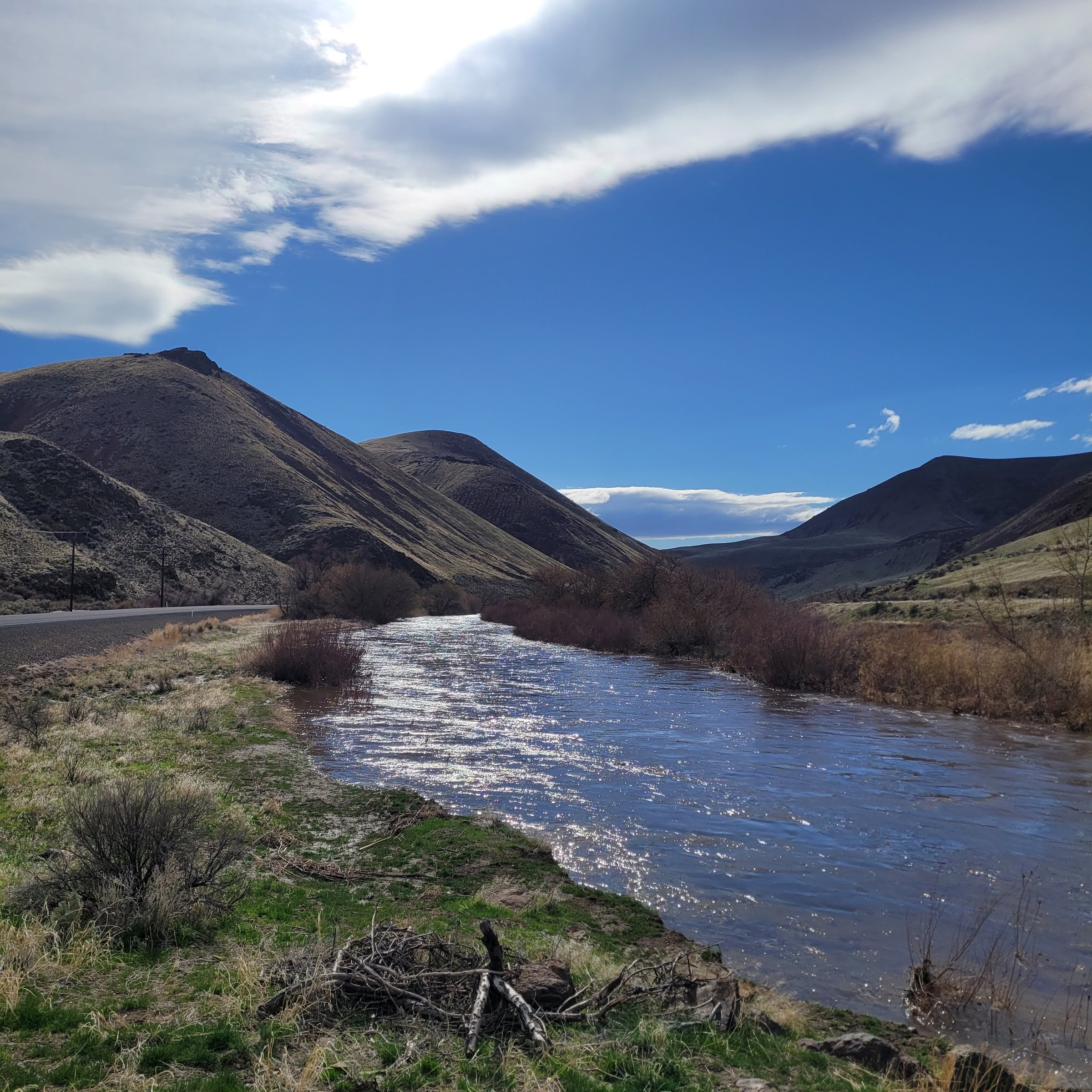
Almost immediately on I 84, we encountered stunning mountains with rivers flowing below. We stopped multiple times just for photos.
It did not take long to reach Baker City, a charming little city filled with older Victorian homes and buildings. Nearby, we visited the National Historic Oregon Trail Interpretive Center and learned about the pioneers who crossed this land from the East, making journeys far more difficult than the road trip we were enjoying.
Then came the Painted Hills.
They were stunning. It felt a little like visiting Rainbow Mountain in Peru, except easier, more accessible, and right here at home. Layers of red, gold, brown, and black rolled through the hills as if someone had actually painted them.
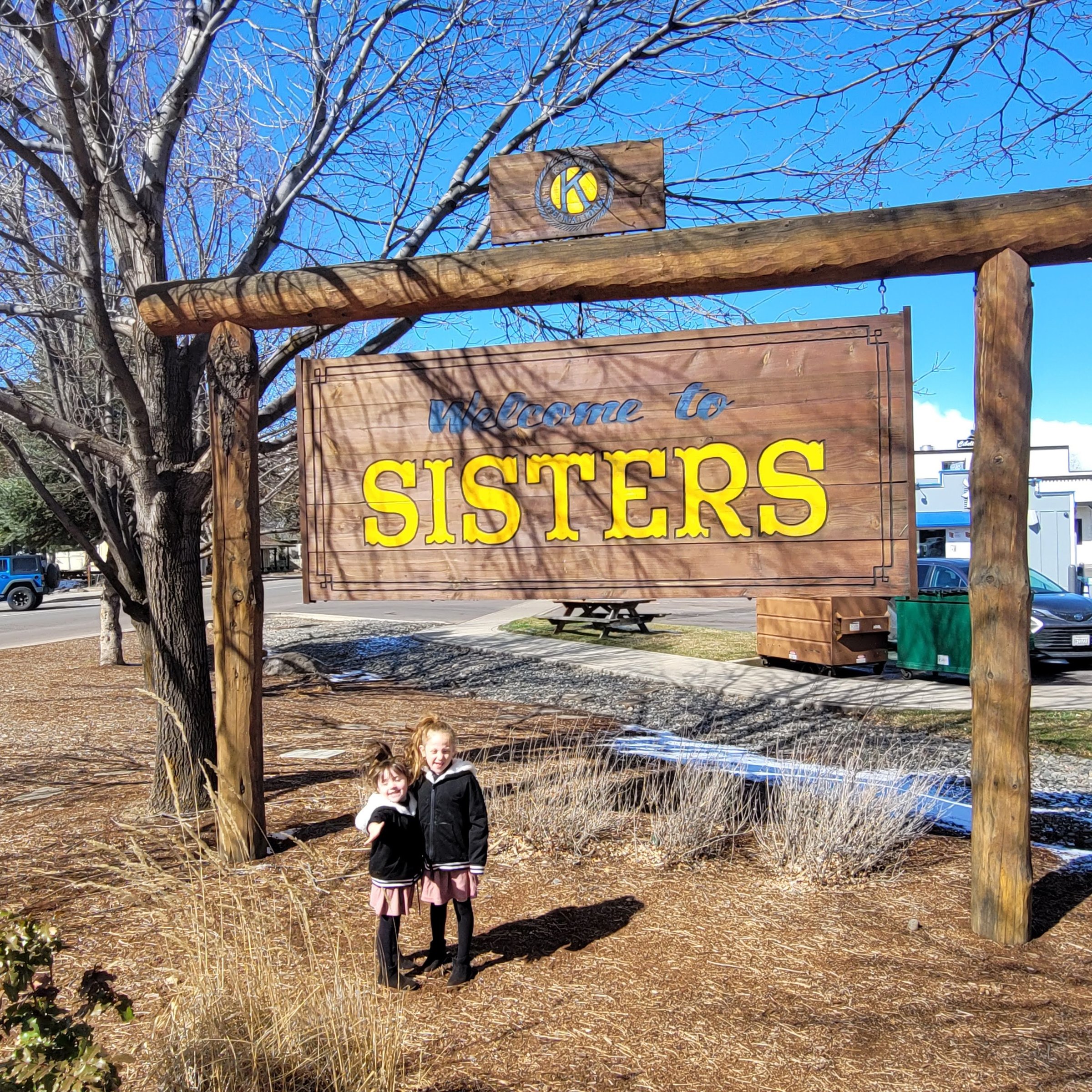
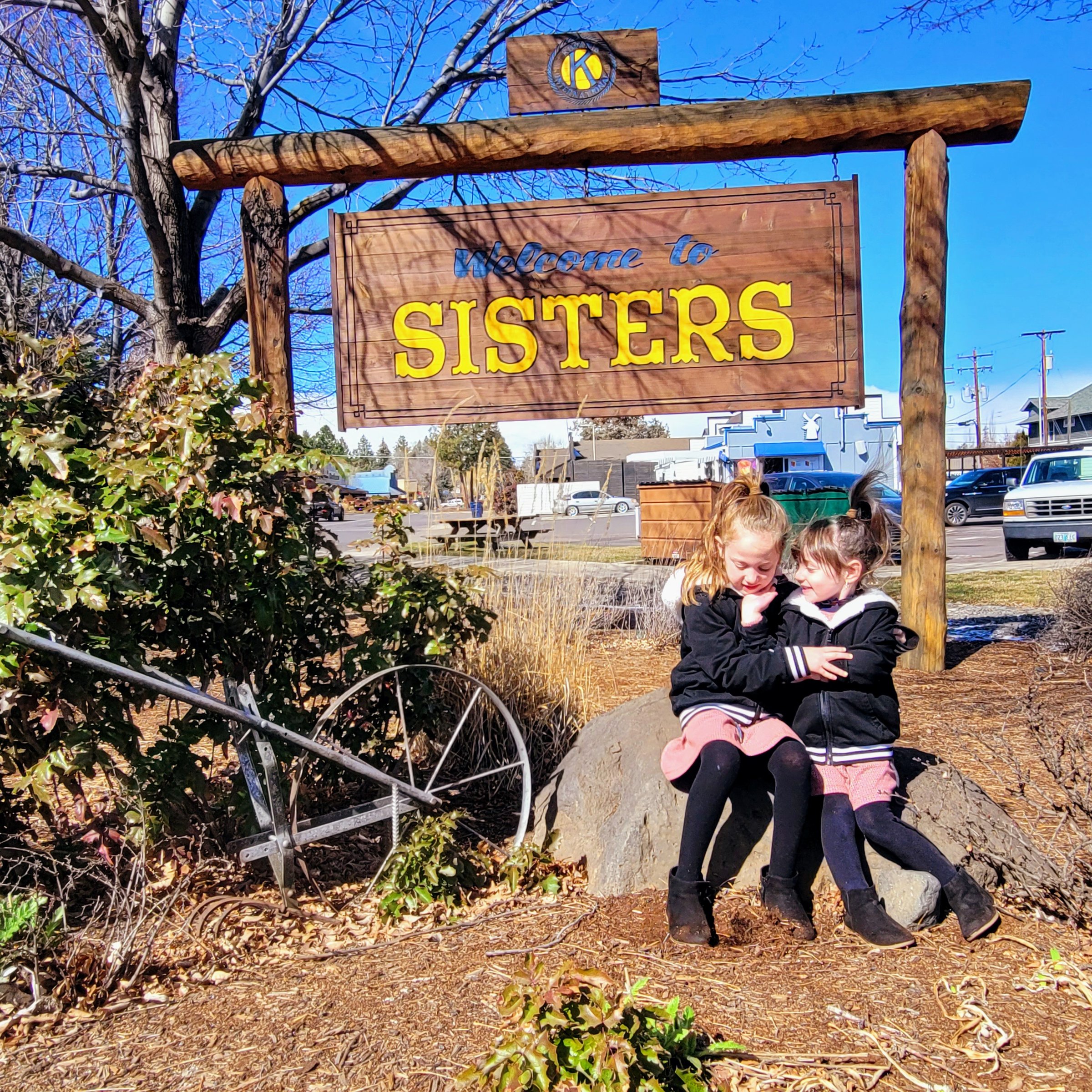
From there we headed toward Sisters, a tiny town the girls absolutely wanted to visit and sleep in. The town is actually named for the nearby Three Sisters mountain peaks, but for Rachel and Leah, being able to go back to school and say, “I slept with my sister in Sisters,” was reason enough.
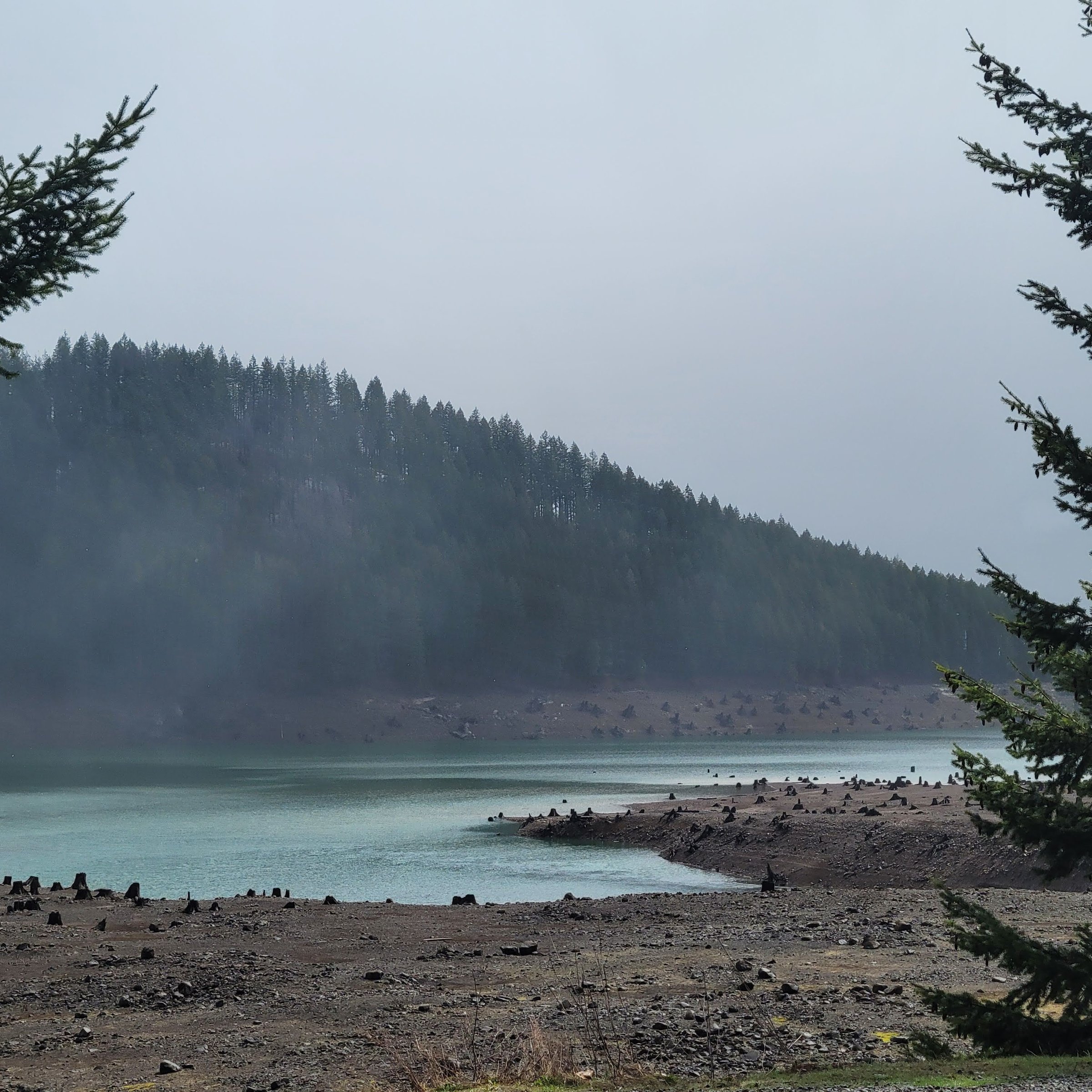
The next day we stretched south to Crater Lake National Park, one of the most magnificent views we encountered anywhere in the country. We circled the lake from different angles, watching that crystal blue water reflect the sky. It was an out of this world experience.
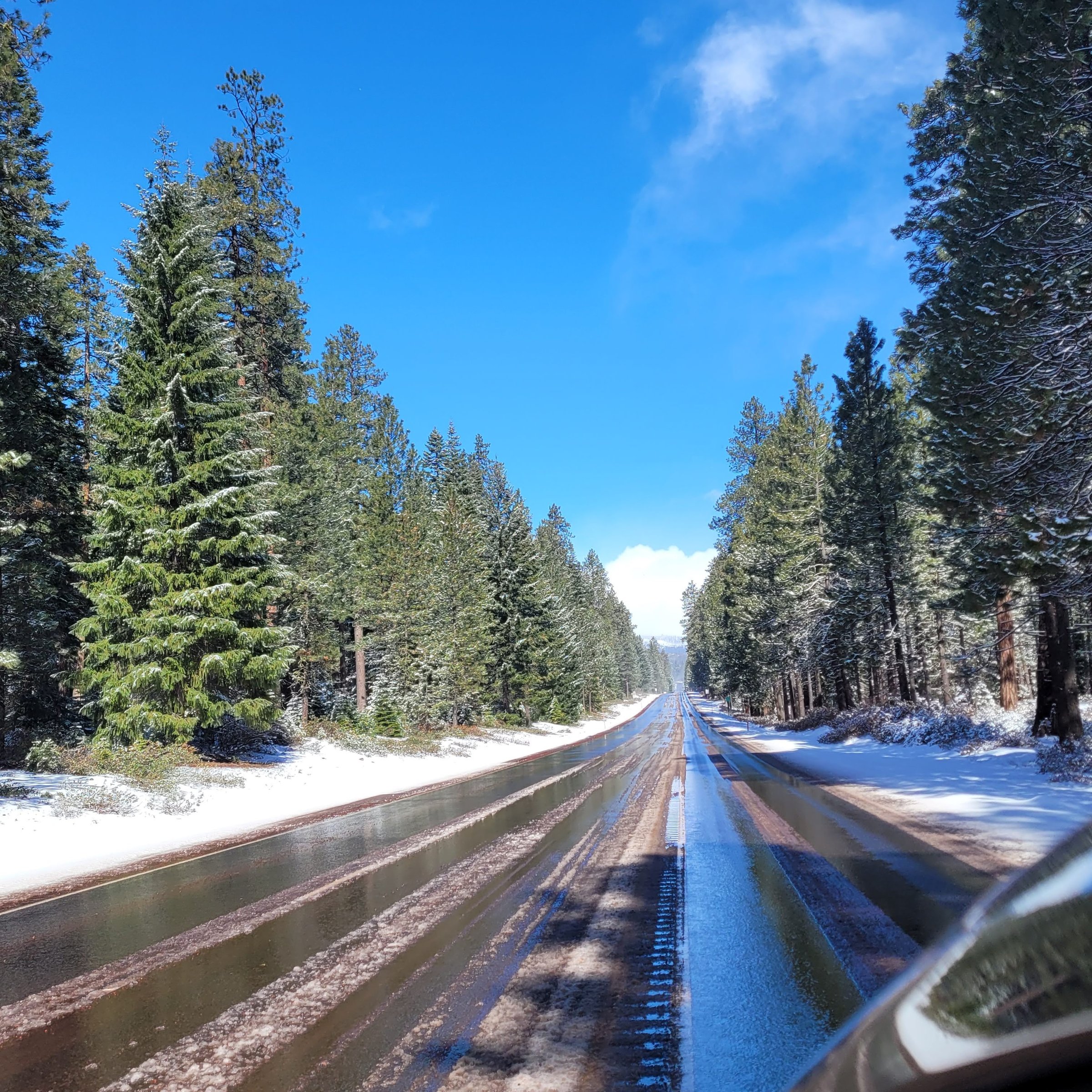
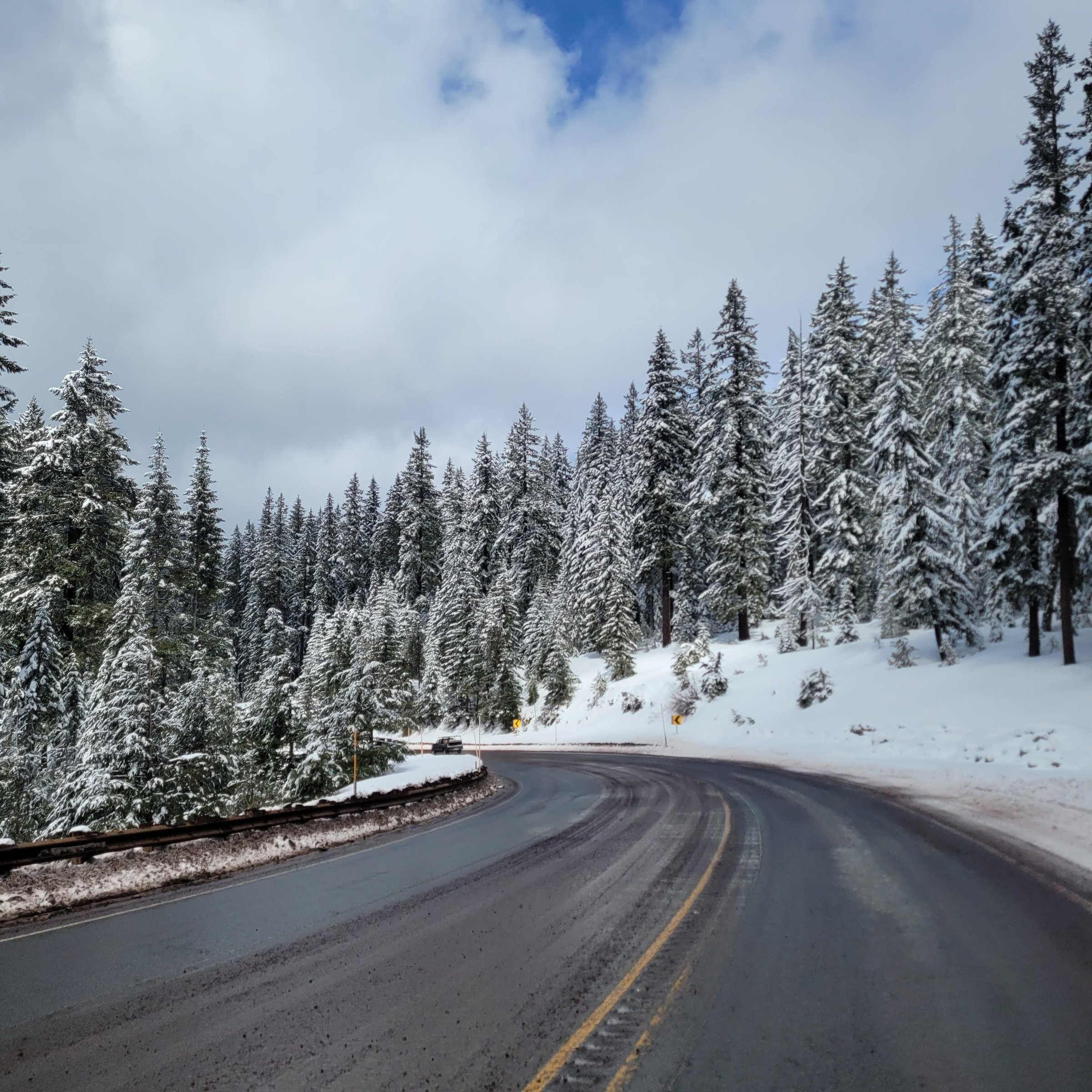
Along the way, Oregon kept changing around us. The dry eastern landscape slowly gave way to the Cascades. We climbed in elevation, snow appeared, the temperature dropped, and suddenly snow capped mountains and Douglas firs surrounded us. A few hours later, we were back in warmer terrain.
That climate change alone felt like an experience.
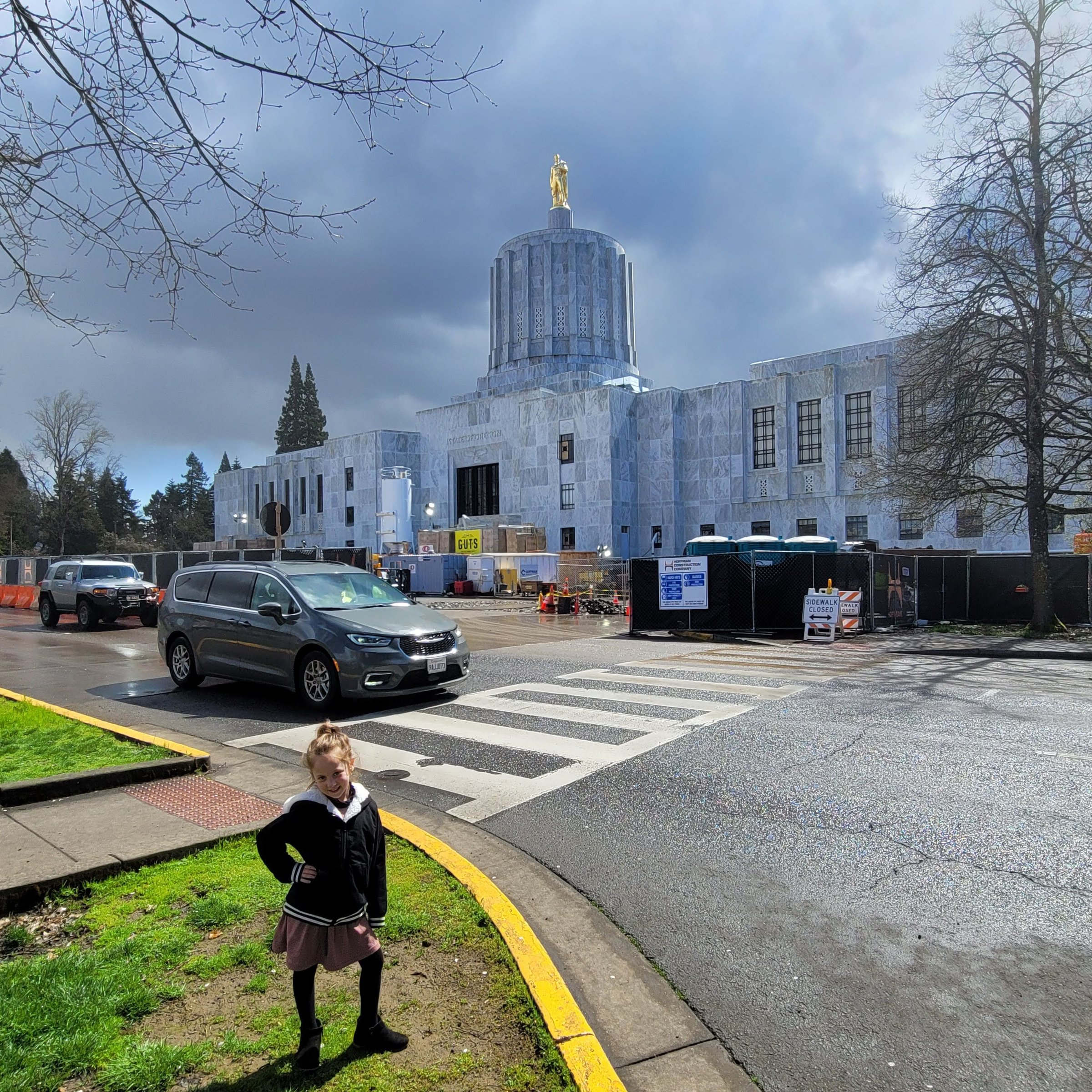
Eventually we reached Salem, where we visited the State Capitol, continuing our journey through every capital in America. With its distinctive golden pioneer standing at the top, the building felt connected to the larger story of the people who crossed the continent searching for a new life in the West.
Then came Portland.
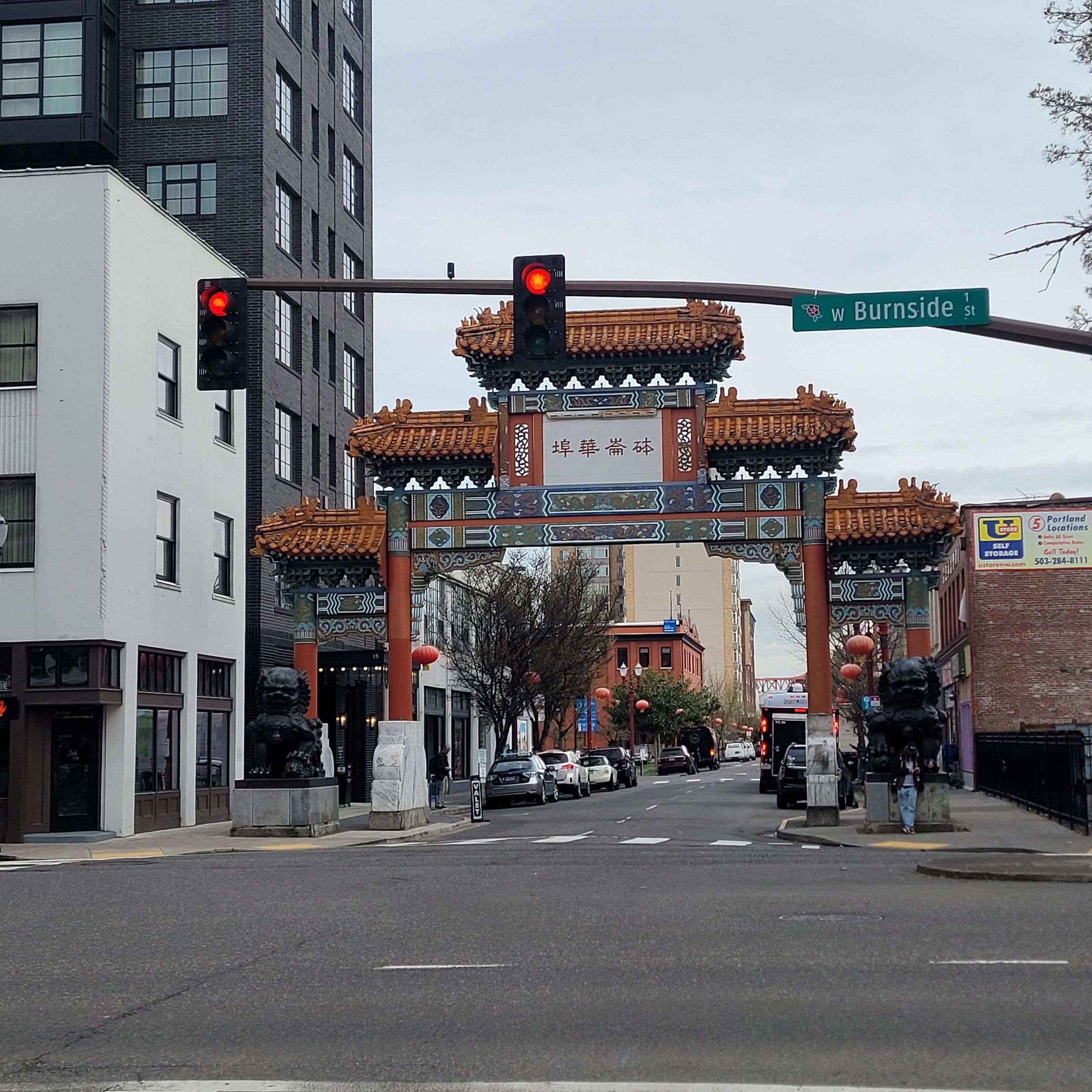
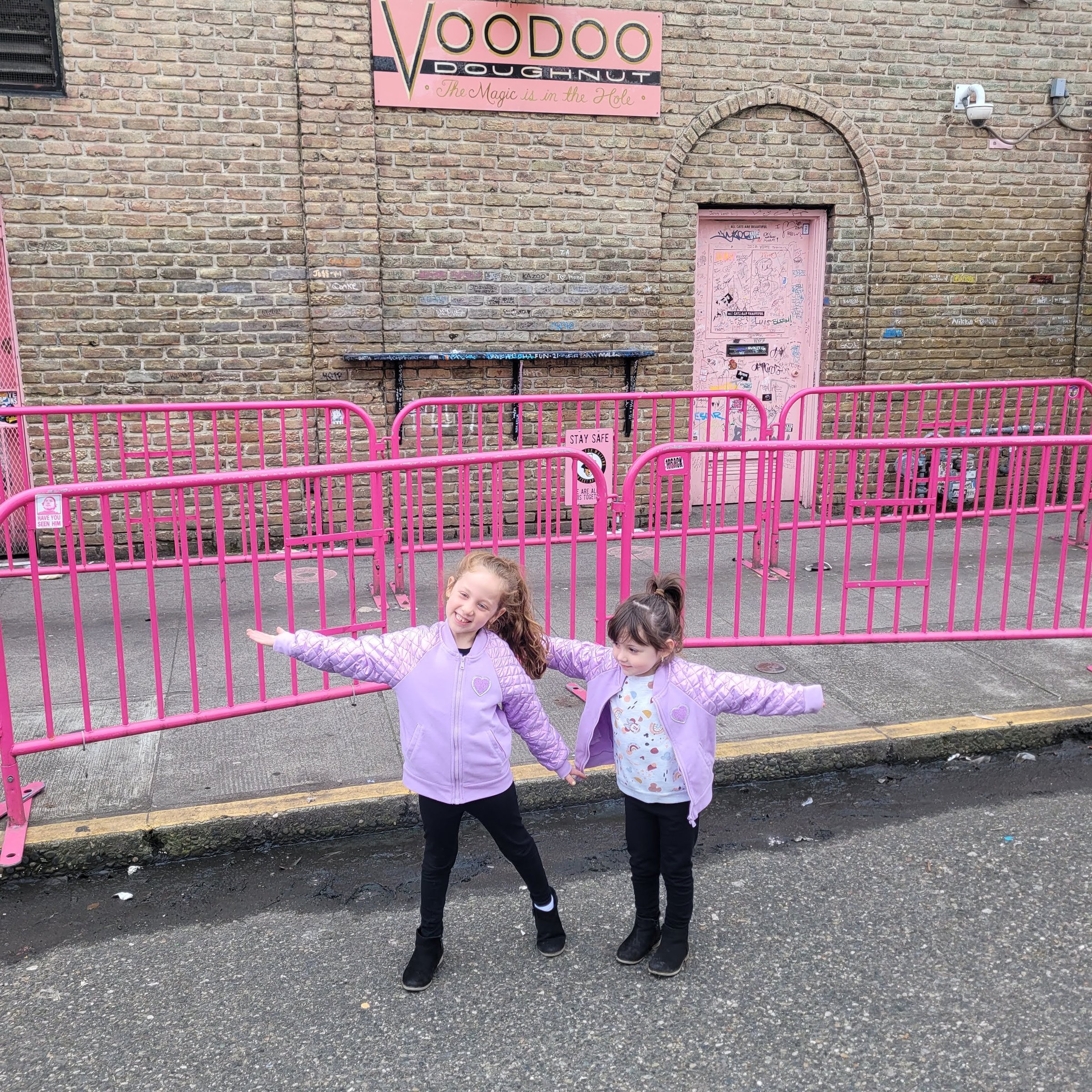
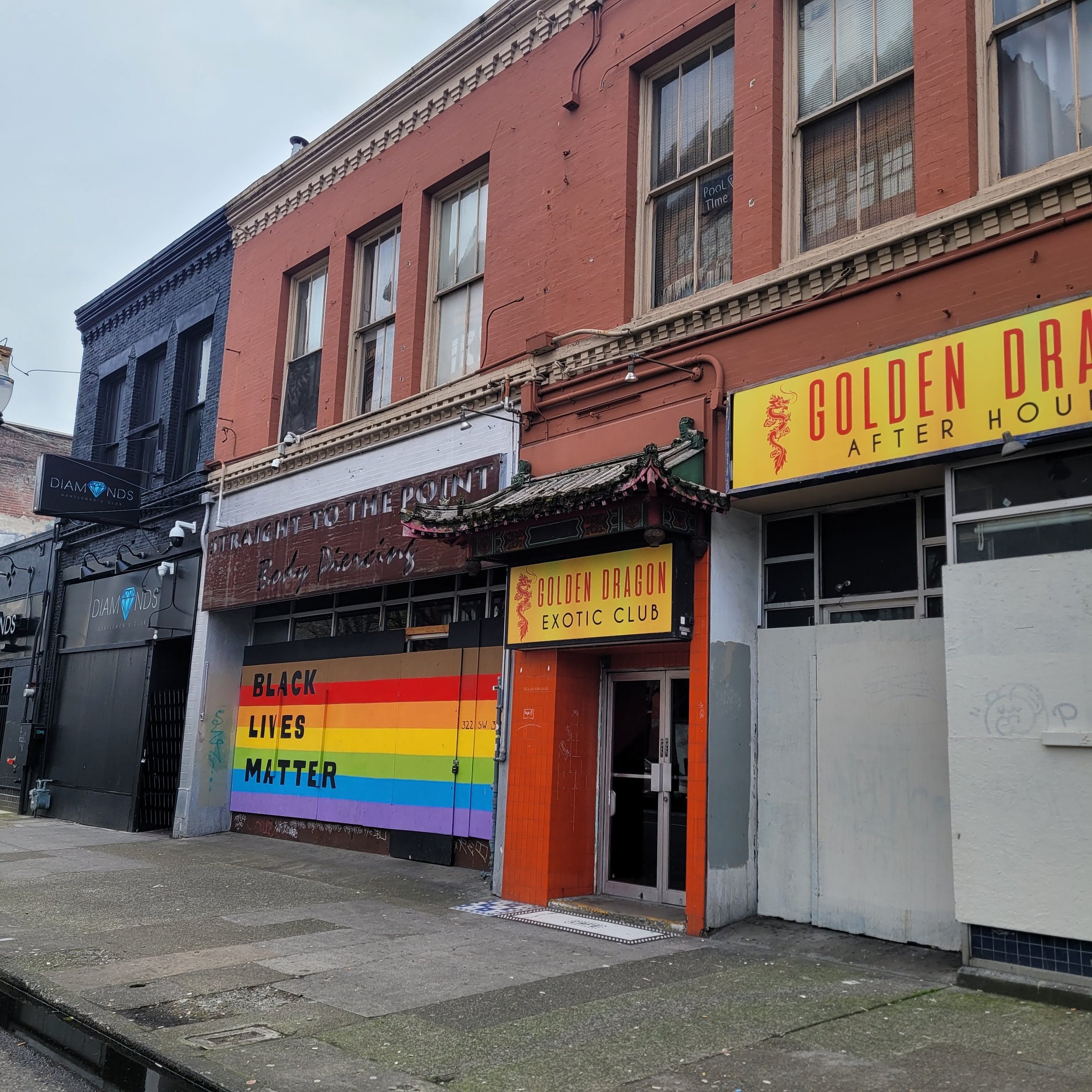
Portland gave us a true taste of the state, filled with culture, personality, cafés, bookstores, art, and that distinct Pacific Northwest feeling.
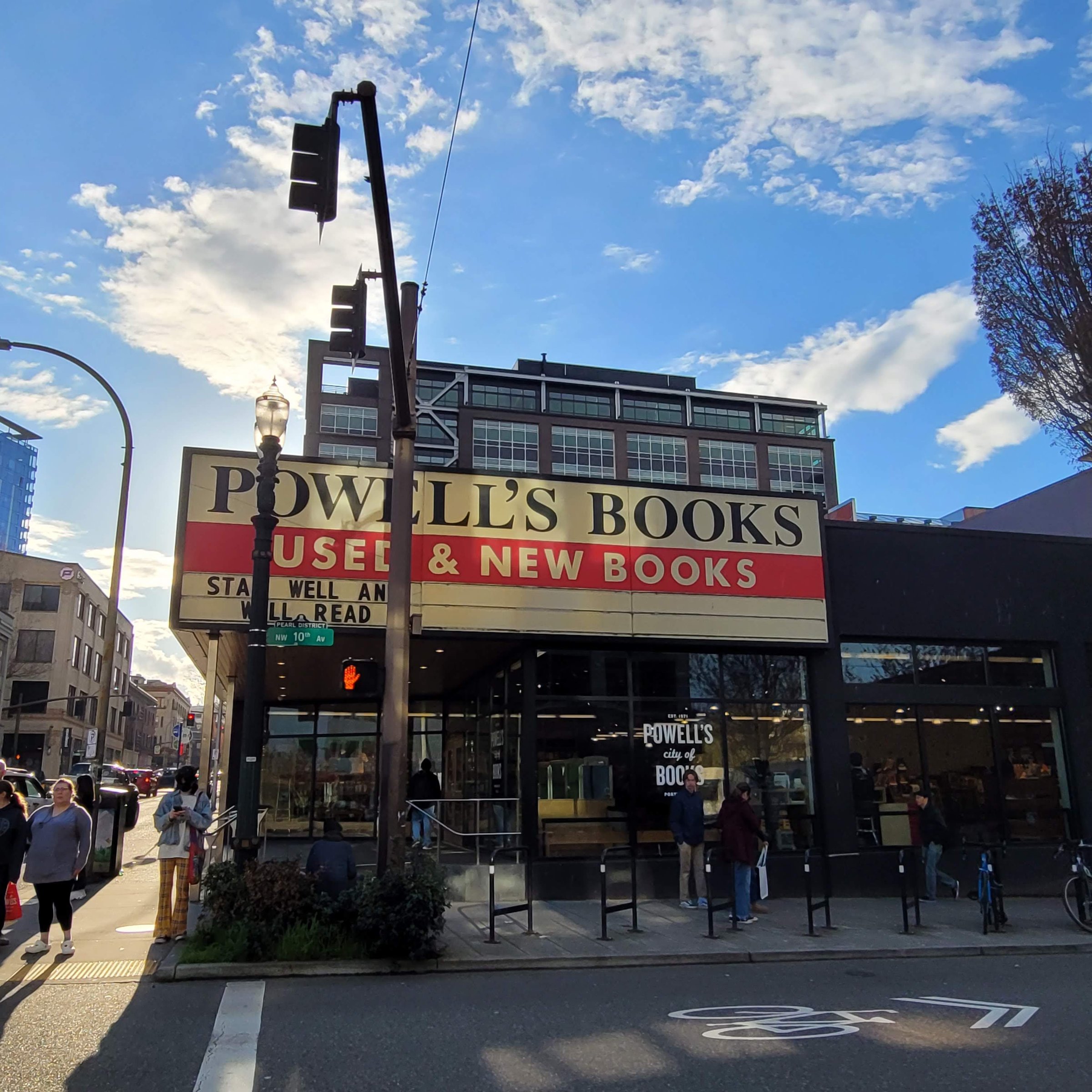
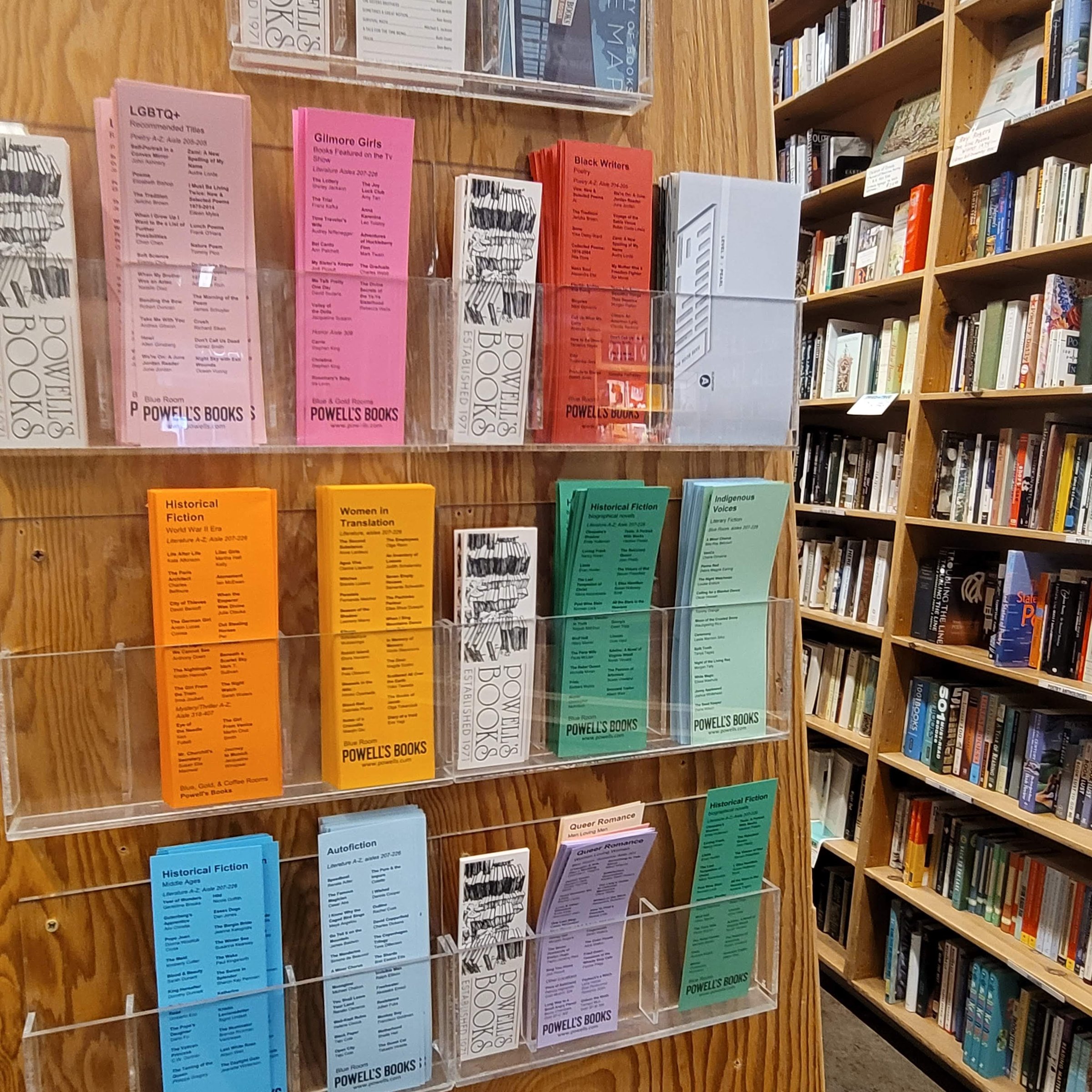
At Powell’s City of Books, we spent countless hours. The children’s section alone felt larger than some entire bookstores we had visited. The girls got lost in the books, and getting them to leave became the difficult part.
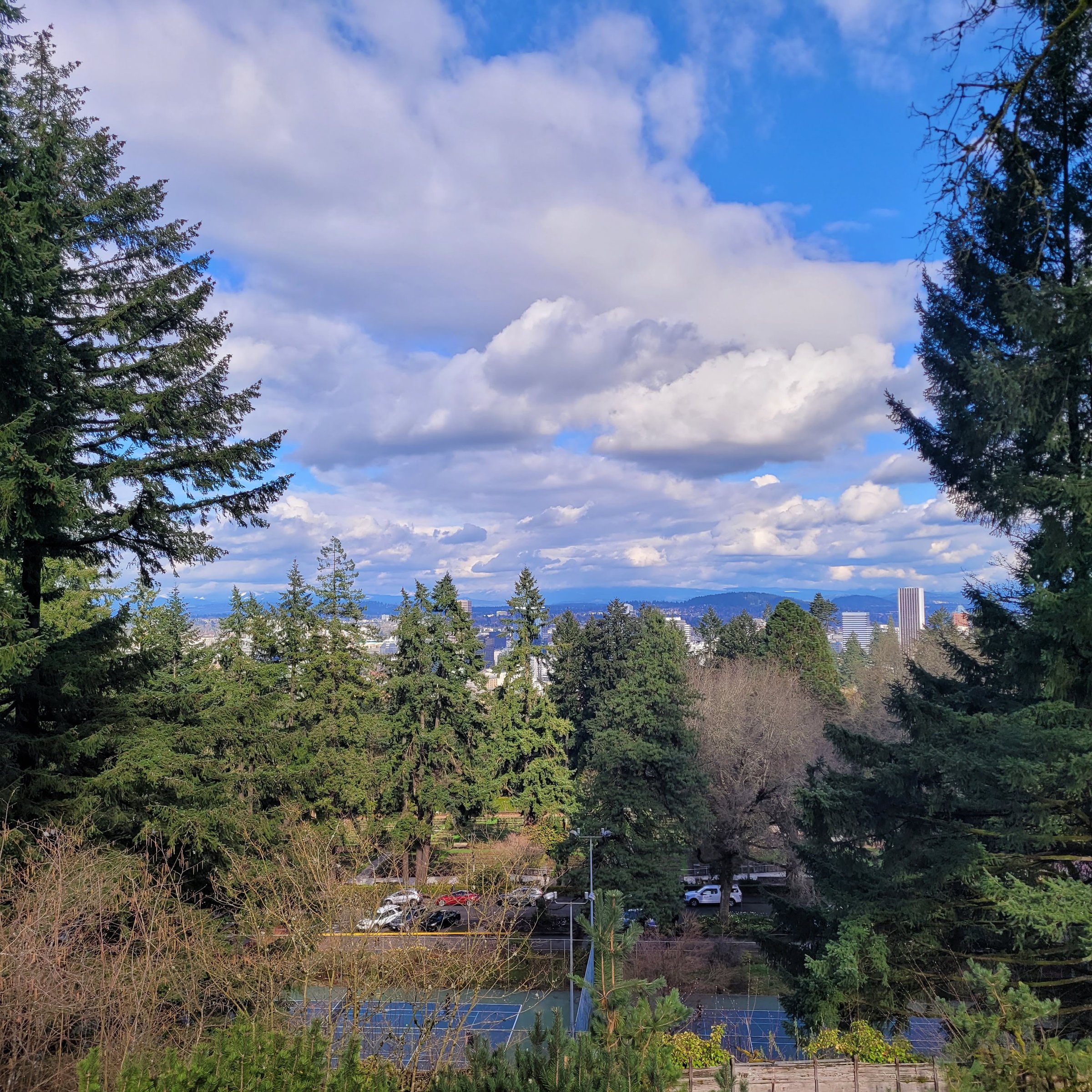
We also visited the International Rose Test Garden. Surrounded by flowers and their aroma, overlooking the city, we got another beautiful perspective on Portland.
After our time there, we headed into the Columbia River Gorge, and suddenly everything became green. Trees covered the mountains, rivers ran beside us, and waterfalls seemed to drop almost casually from the cliffs.
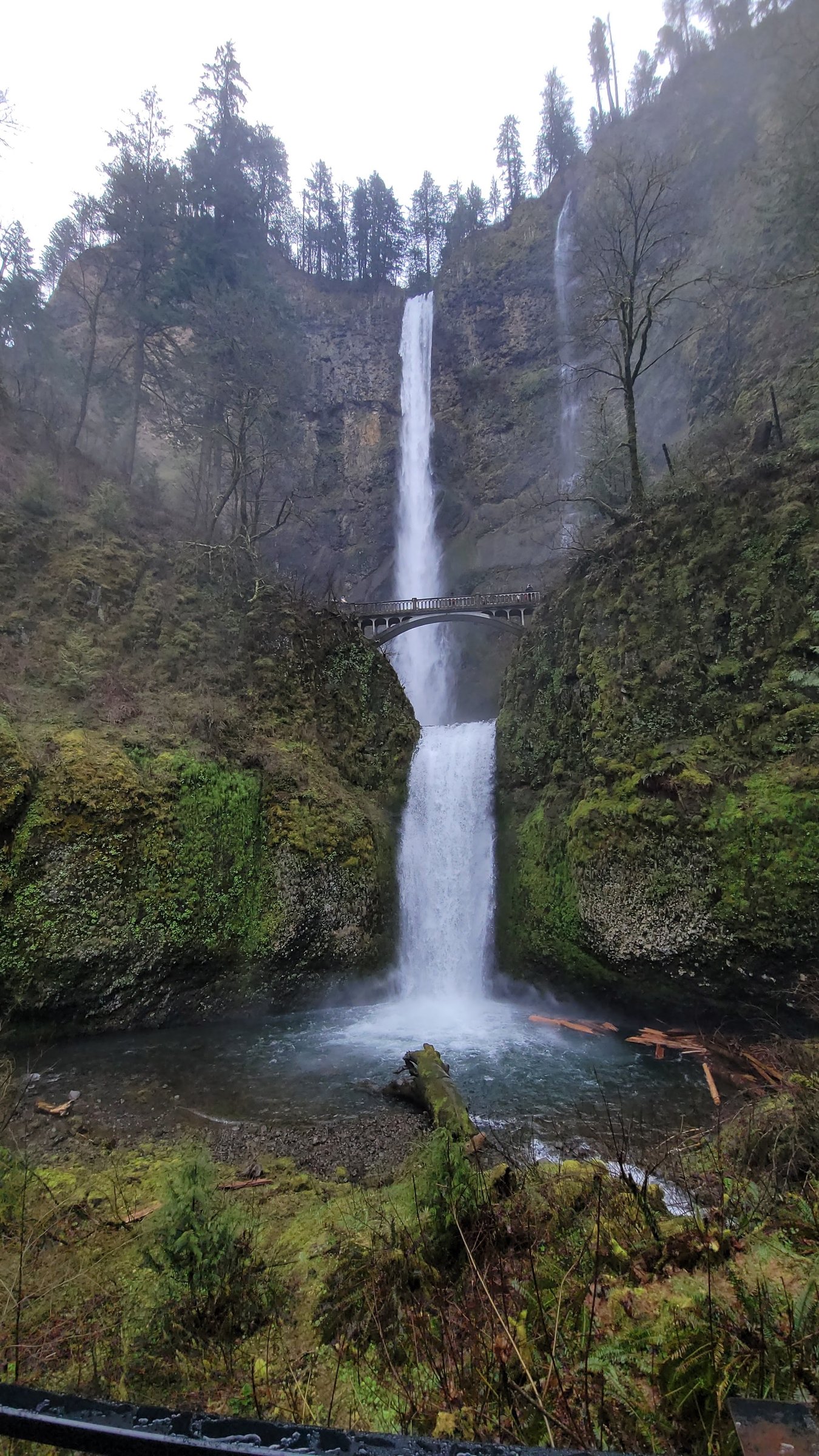
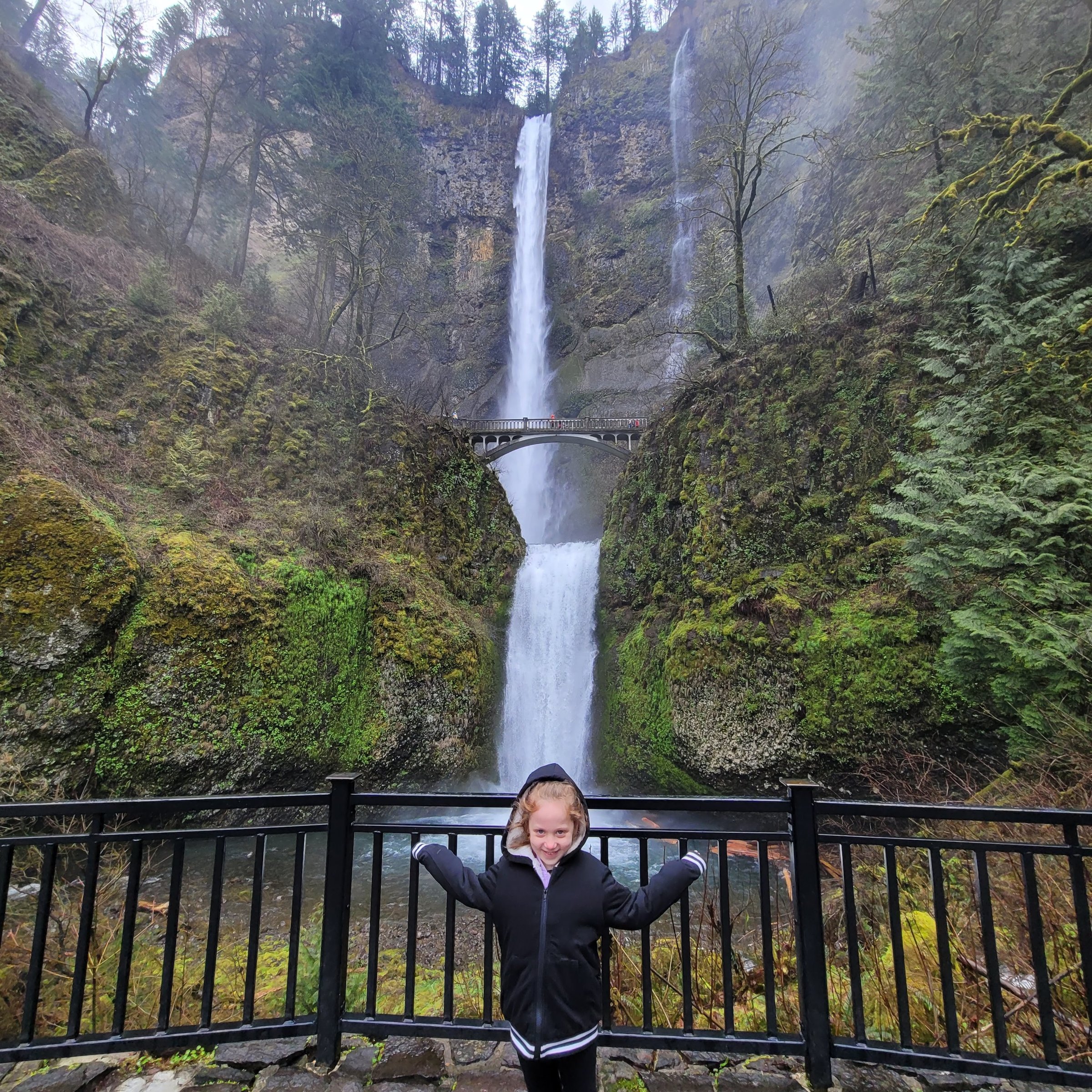
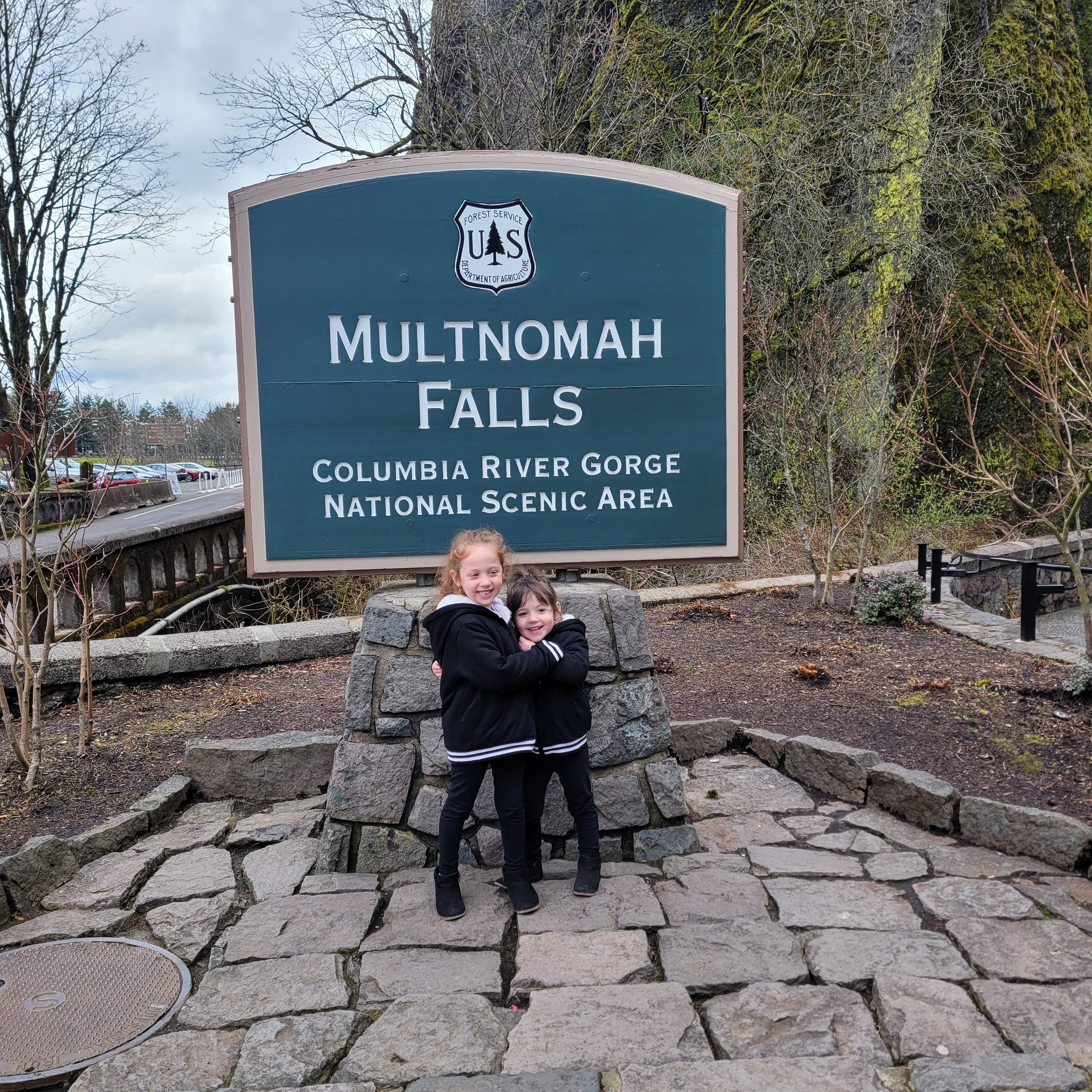
Then came Multnomah Falls.
Standing beneath a waterfall more than 600 feet high, with the historic Benson Bridge crossing between the cliffs, felt almost unreal. The cold spray reached our faces while the water crashed down in front of us, surrounded by thick green forest and dark rock.
It was one of those places photographs simply cannot capture.
But you carry it forever.
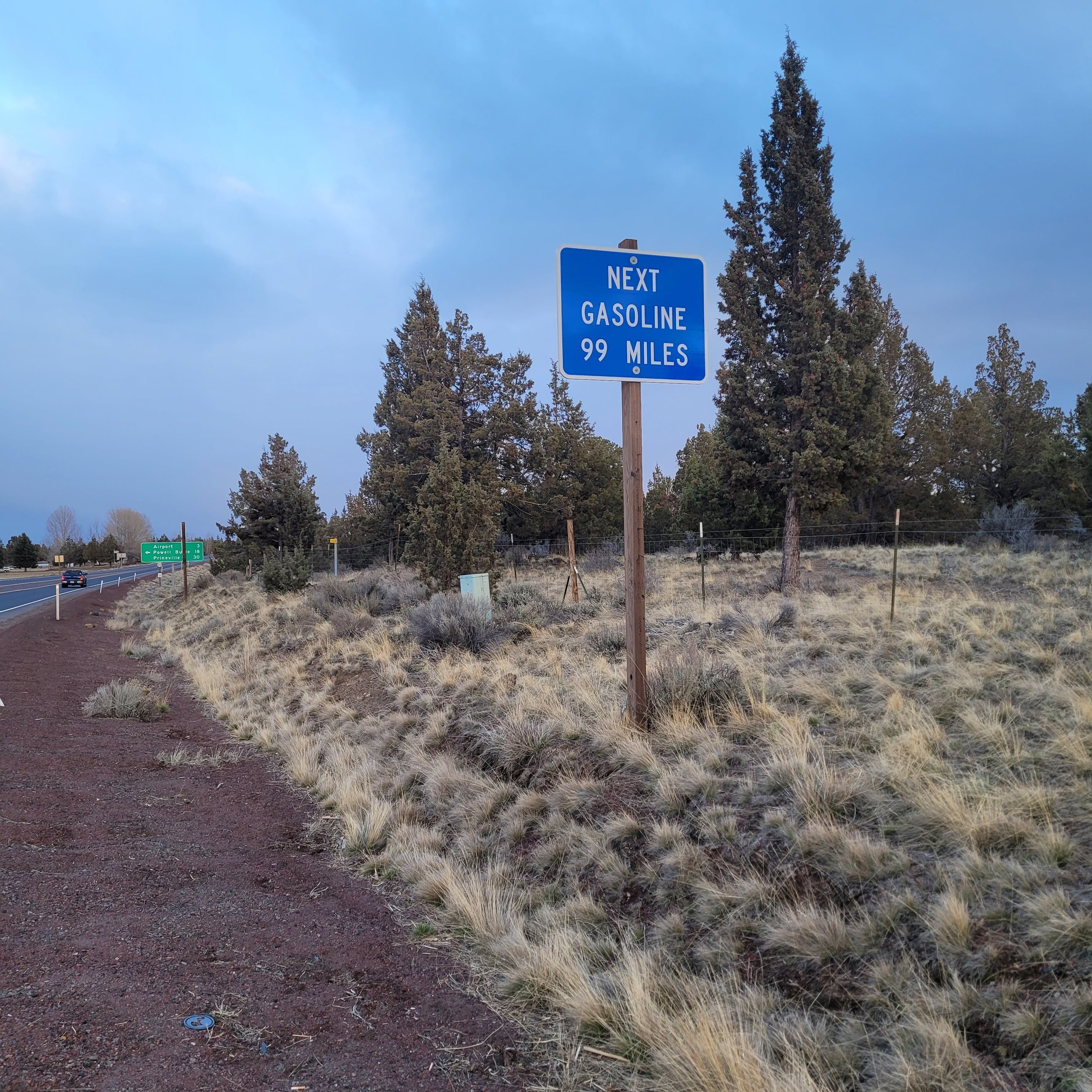
The farther we traveled, the more Oregon became about the relationship between the road and nature. Forests, mountains, rivers, lakes, waterfalls, desert, and little towns constantly made us want to pull over.
Almost like Alaska, getting somewhere became secondary to everything we saw along the way.
Jewish Oregon
At Vista House at Crown Point, overlooking the magnificent Columbia River Gorge, we came across the name Julius Meier.
Here we were, traveling one of the most beautiful roads in America, only to learn that one of the people who helped champion the Columbia River Highway was a Jewish Oregonian who later became the state’s first Jewish governor.
That immediately pulled me deeper into the Jewish story of Oregon.
Jewish merchants and families arrived during Oregon’s early growth and became part of the business and civic life of the state. Portland’s Congregation Beth Israel was organized in 1858, even before Oregon became a state, and remains the oldest Jewish congregation in Oregon.
Today, Portland is home to the largest Jewish community in the state, with synagogues, schools, Chabad centers, kosher life, and communities representing different parts of the Jewish world.
But for me, that little Julius Meier connection was what made the history personal.
We were driving through this extraordinary landscape, enjoying a road that helped open Oregon to generations of travelers, and suddenly found a Jewish name woven into its story.
What Stayed With Me
What stayed with me about Oregon was how many different versions of nature could fit into one state.
The dry landscape in the east, the Painted Hills, snowy mountains, crystal blue Crater Lake, deep green forests, rivers, and waterfalls all seemed to blend into one enormous journey.
Multnomah Falls especially stayed with me. I have seen waterfalls around the world. This one felt different.
Oregon reminded me that sometimes the places between the destinations is the destination.
Have a story, an idea, or a reason to connect?
For editorial inquiries, media, speaking, collaborations, historical research, or simply a story you think I should know I'd be glad to hear from you.
Contact Dov