North Carolina
Where humanity learned to fly.
Raleigh · Charlotte · Nags Head · Kill Devil Hills · Roanoke Island · Wilmington
The Journey
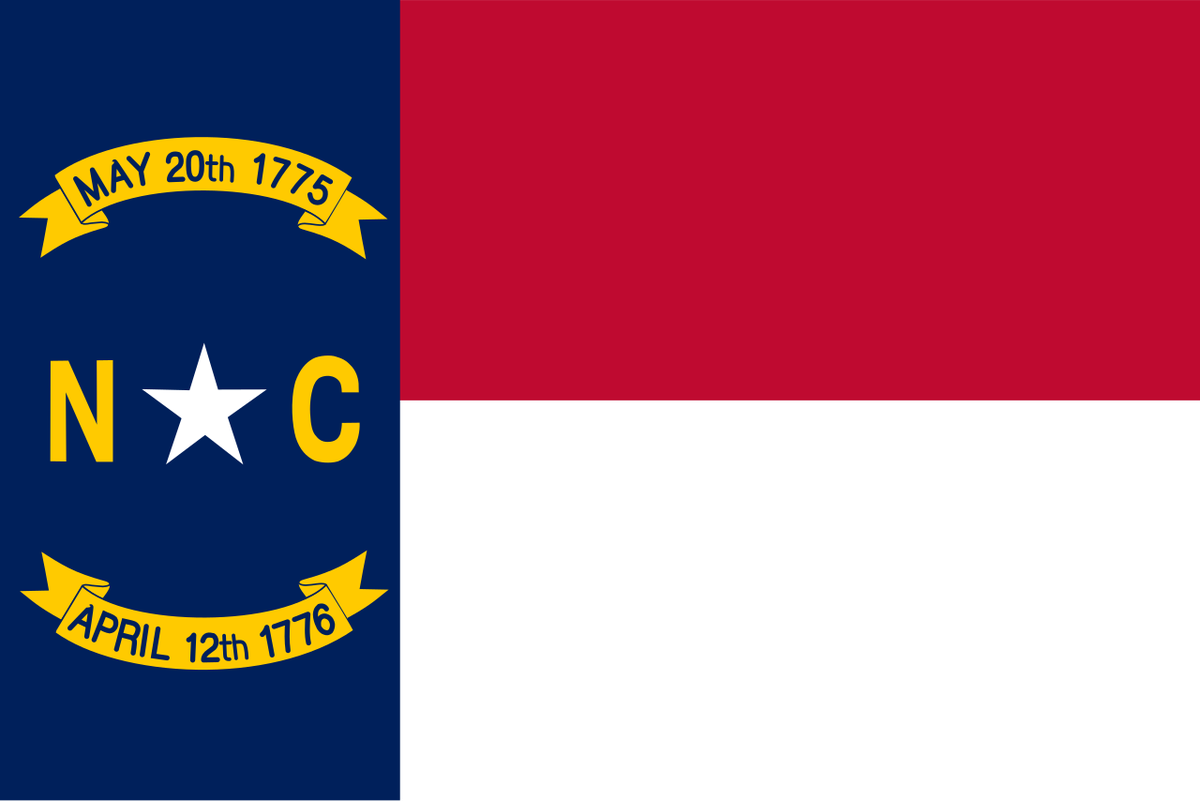
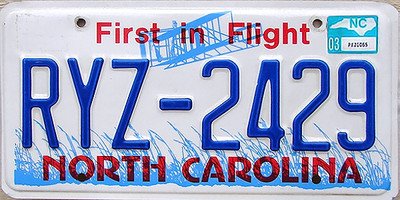
North Carolina gave us one of those trips where being American made us feel proud.
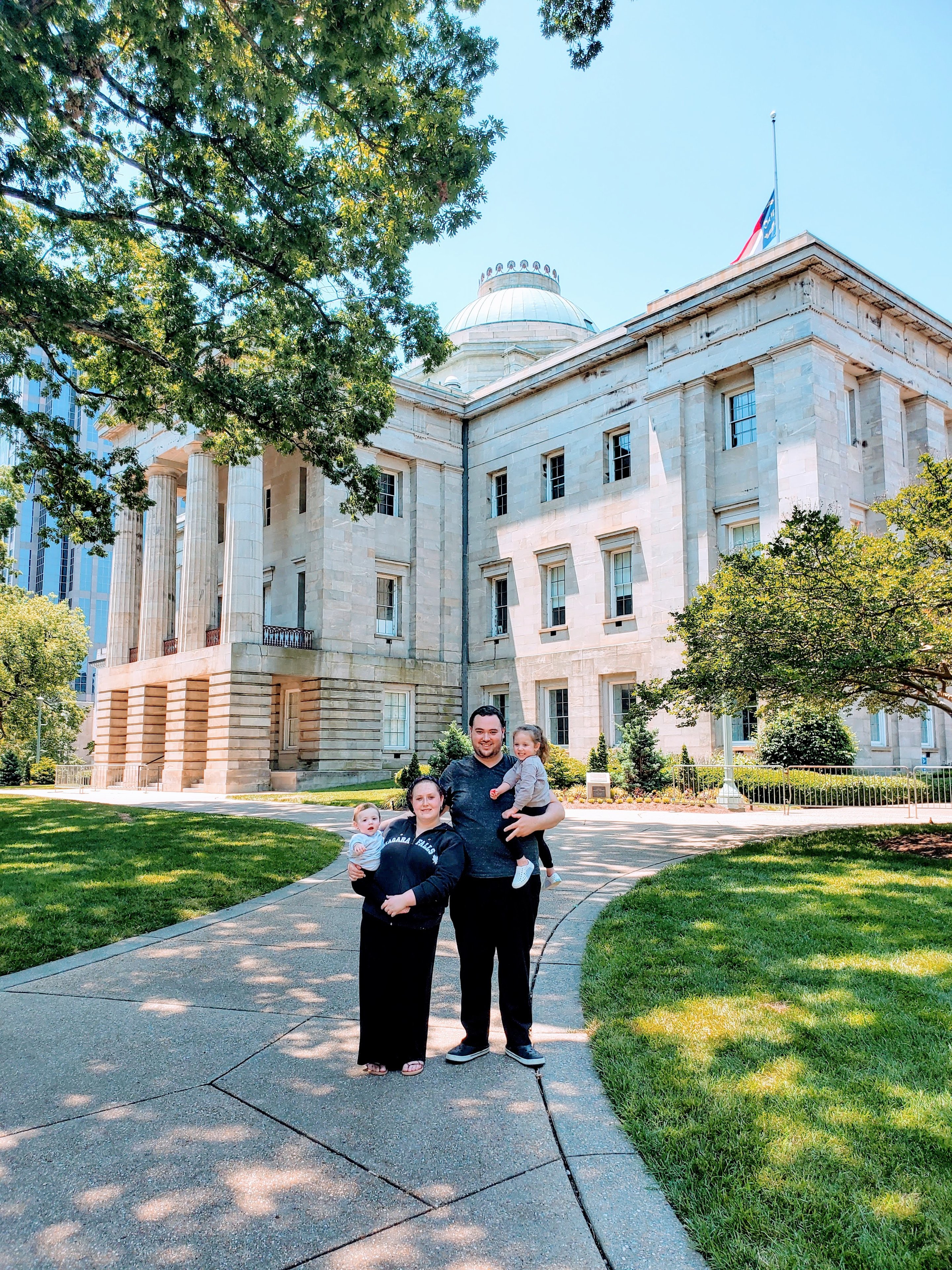
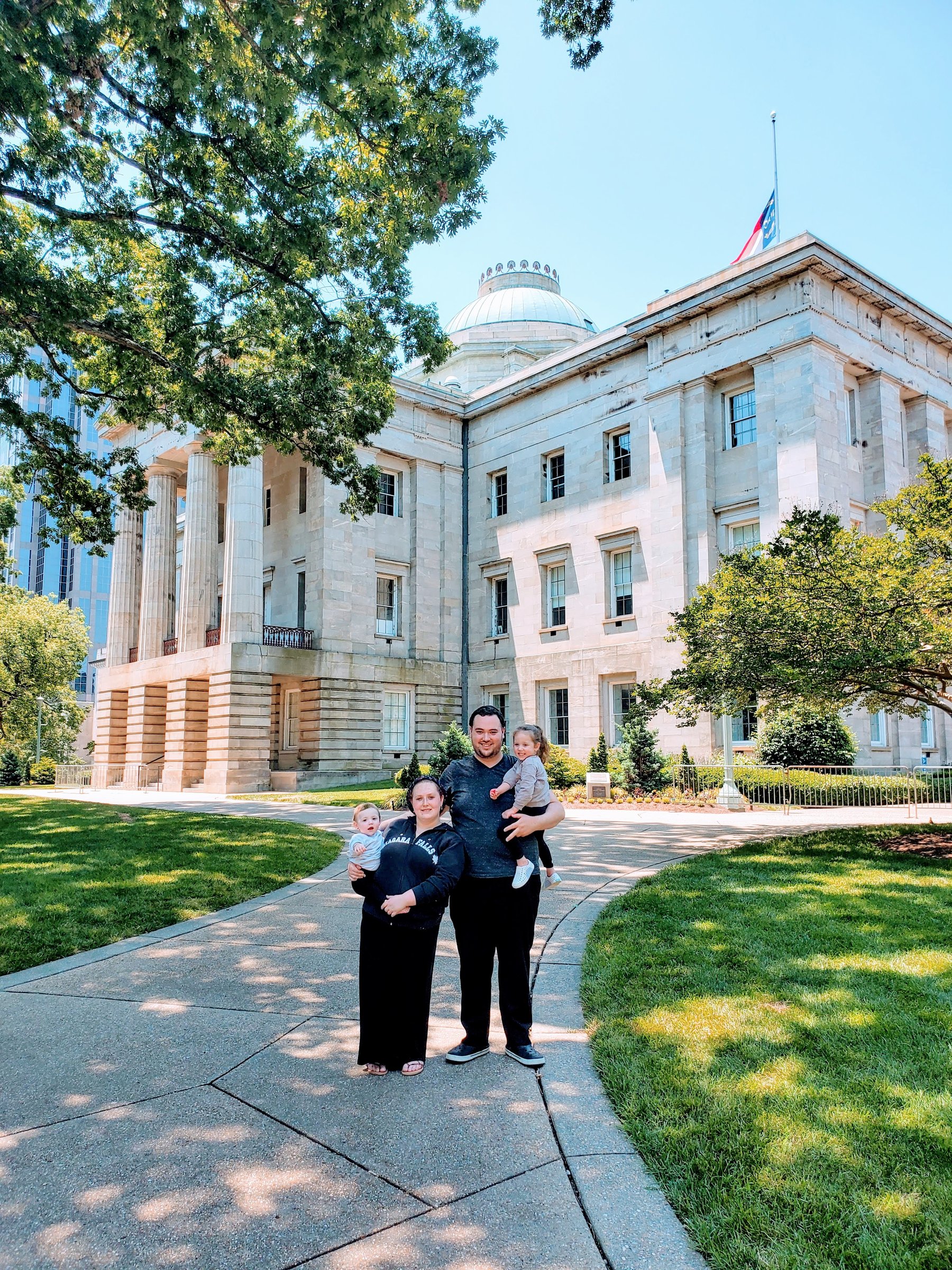
Our trip started in Raleigh, where we visited the State Capitol, continuing our journey through every capital in America. The historic building and surrounding streets gave us a glimpse of a capital that felt clean, orderly, and full of quiet energy. We also spent time at Pullen Park, where the girls loved riding the historic carousel.
Down in Charlotte, we saw the more modern side of the state. A large, growing American city filled with towers and neighborhoods, where we even made a quick skating stop at a massive ice rink.
Then came the Outer Banks, surrounded by ocean, dunes, wind, and that feeling of being stretched out along the very edge of the country.
At Kill Devil Hills, we visited the Wright Brothers National Memorial and stood on the ground where human flight changed forever. Seeing the markers showing those first short flights made the story almost unbelievable. Something that eventually connected the entire world began with a machine lifting off this sandy piece of North Carolina for only a few seconds.
Both girls took notice and were deeply inspired. They learned how the brothers tried, failed, adjusted, and tried again. After predicting what they thought the next great human invention might be, they were proudly sworn in as Junior Rangers.
From there, we headed to Roanoke Island and Fort Raleigh, where another American beginning had taken place centuries earlier. We walked through the story of the first English attempts to settle here, the Lost Colony, and the people who lived on this land long before Europeans arrived. We even stood near the place where Virginia Dare, the first English child born in what became the United States, entered the world.
We then continued south toward Wilmington, trading the winds and dunes of the Outer Banks for historic streets, waterfront views, and another side of coastal North Carolina. The girls used the time to roller skate along the riverwalk while enjoying some delicious local ice cream.
From modern Charlotte and political Raleigh to Roanoke Island, Kill Devil Hills, and the coast, North Carolina felt like a state filled with beginnings. Attempts that failed, ideas that worked, people who took risks, and moments that became much larger than anyone standing there could have imagined.
Jewish North Carolina
Our Jewish North Carolina story took us all the way back to Roanoke Island, looking for one of the earliest recorded Jewish figures in English America.
At Fort Raleigh, I went looking for Joachim Gans, a Jewish metallurgist from Prague who joined the English expedition to Roanoke in 1585. He worked here experimenting with metals and minerals, centuries before there was anything resembling an established Jewish community in North Carolina.
I spent part of the visit searching for his historical marker, asking around and driving the roads near Fort Raleigh, trying to find this small reminder of a Jewish man who had somehow made his way to this distant corner of the New World more than four centuries before us.
That fascinated me. Before synagogues, before Jewish neighborhoods, before the United States even existed, there was already a Jewish story here.
Much later, permanent Jewish communities developed across the state. In Wilmington, we stood outside Temple of Israel, completed in 1876 and the oldest synagogue building in North Carolina still serving its congregation. We enjoyed the little garden beside the synagogue and saw the chuppah standing there. Rachel immediately began imagining her own, which felt a little too early for me.
Today, thriving Jewish communities can be found in Charlotte, Raleigh, Durham, Greensboro, Wilmington, and beyond.
From Joachim Gans on Roanoke Island in 1585 to vibrant Jewish communities across the state today, Jewish North Carolina has a much longer story than I ever expected.
What Stayed With Me
What stayed with me about North Carolina was how much of the American story began with people trying something that had never been done before.
At Roanoke, people crossed an ocean trying to build a new settlement.
At Kill Devil Hills, two brothers tried to leave the ground.
Neither story began with any guarantee that it would work.
Standing there reminded me how much history begins with someone simply being willing to try, fail, learn, and try again.
And sometimes, after enough trying, one more try lifts the whole world off the ground.
Have a story, an idea, or a reason to connect?
For editorial inquiries, media, speaking, collaborations, historical research, or simply a story you think I should know I'd be glad to hear from you.
Contact Dov