New Hampshire
Where you Live Free and Die.
Concord · Manchester · Portsmouth · Bethlehem
The Journey
New Hampshire feels almost like New York’s backyard, so we have been there more than once and always enjoyed our time there.
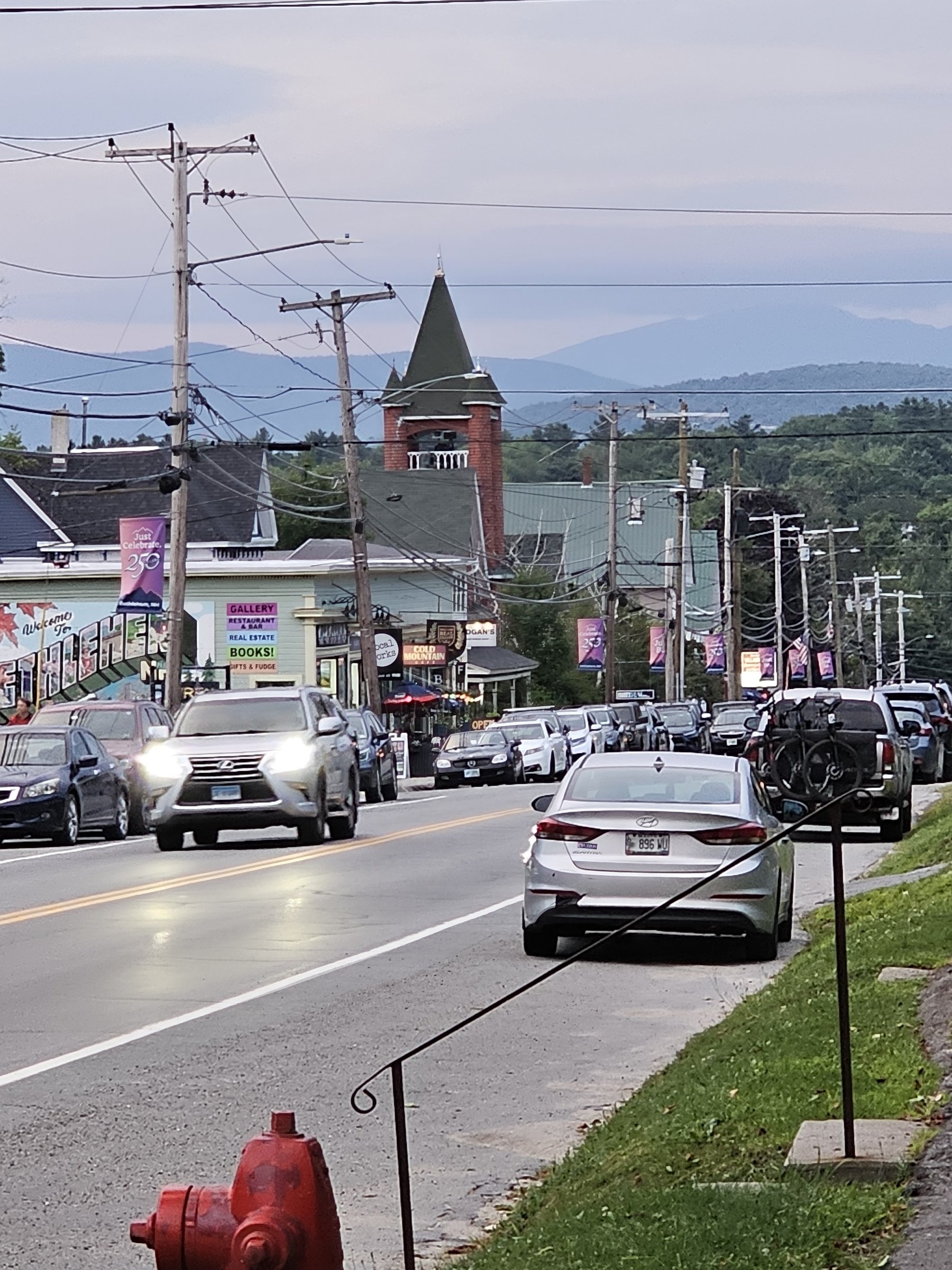
Much of our time was spent in the lush northern part of the state, escaping the heat of New York summers. The little scenic village of Bethlehem gave us refuge from the heat, surrounded by mountains, forests, and that quiet New England charm.
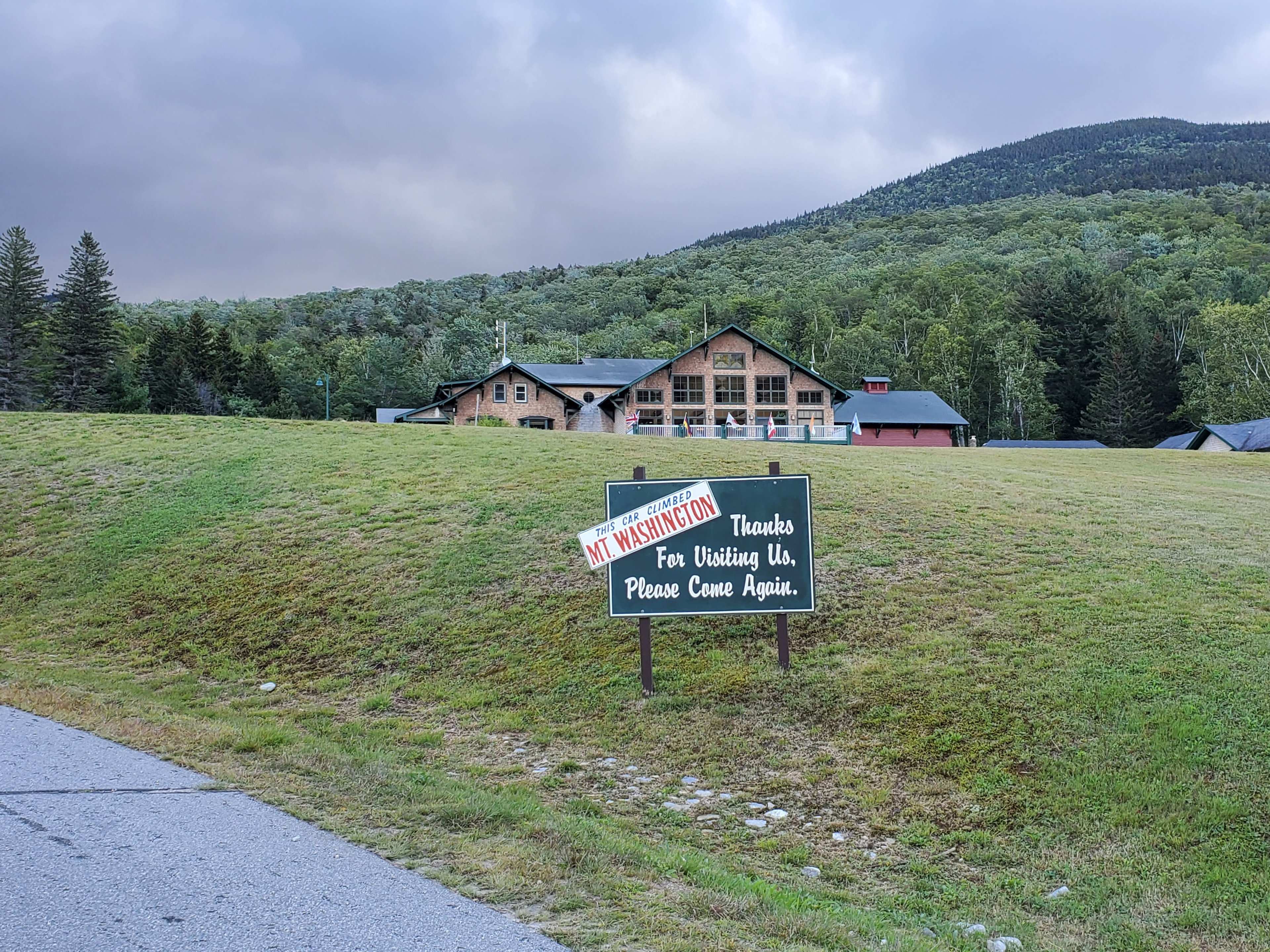
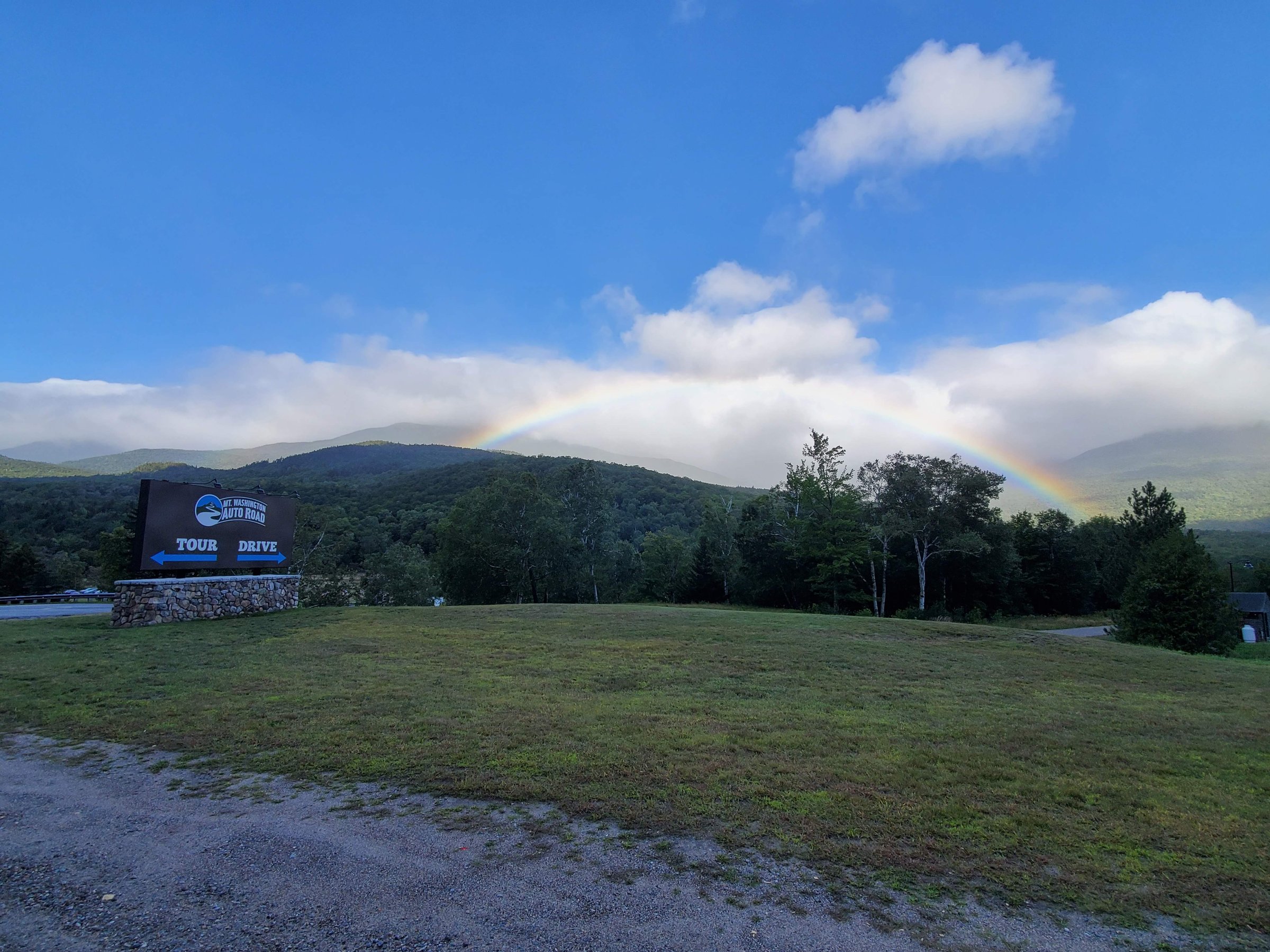
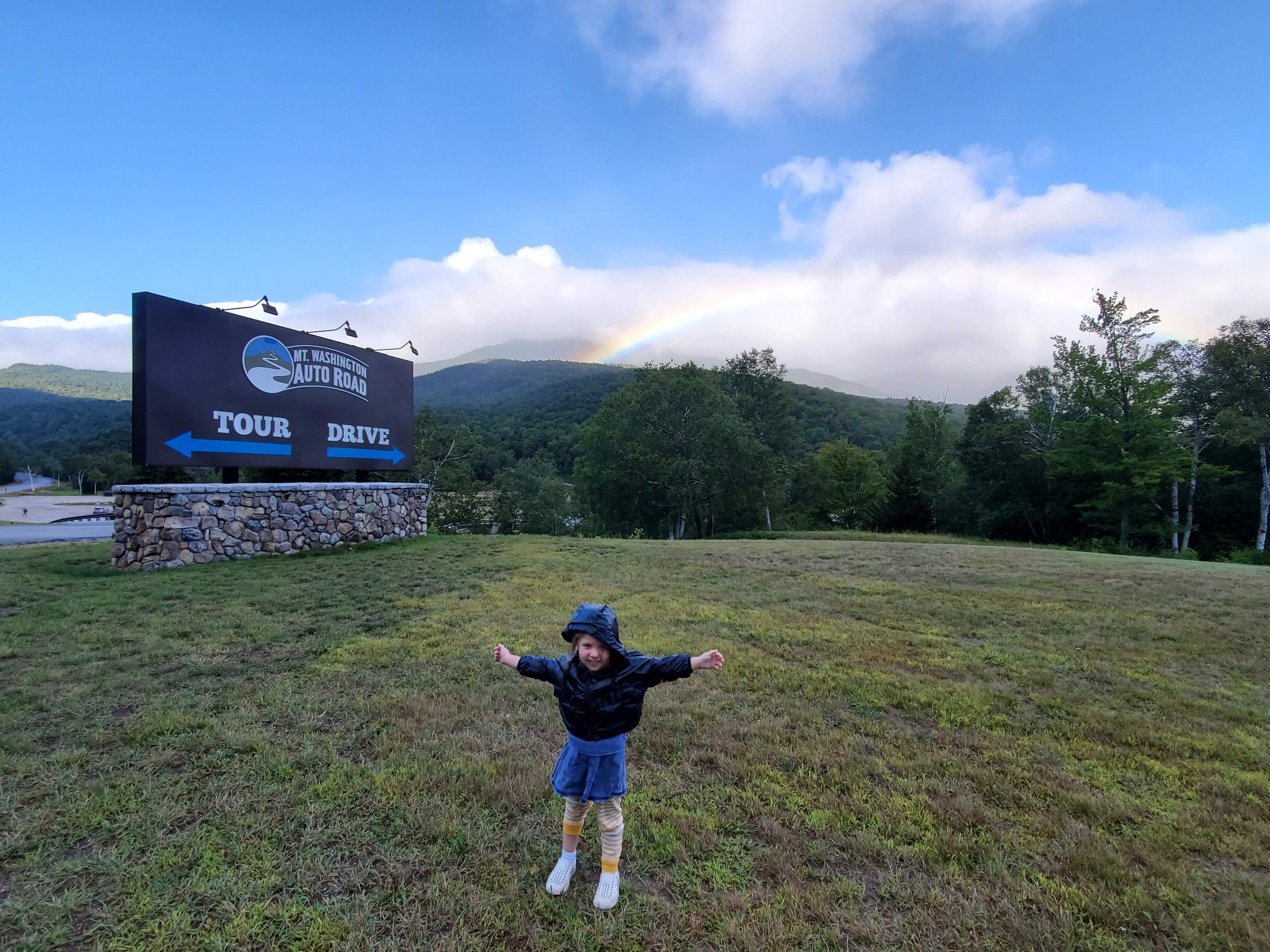
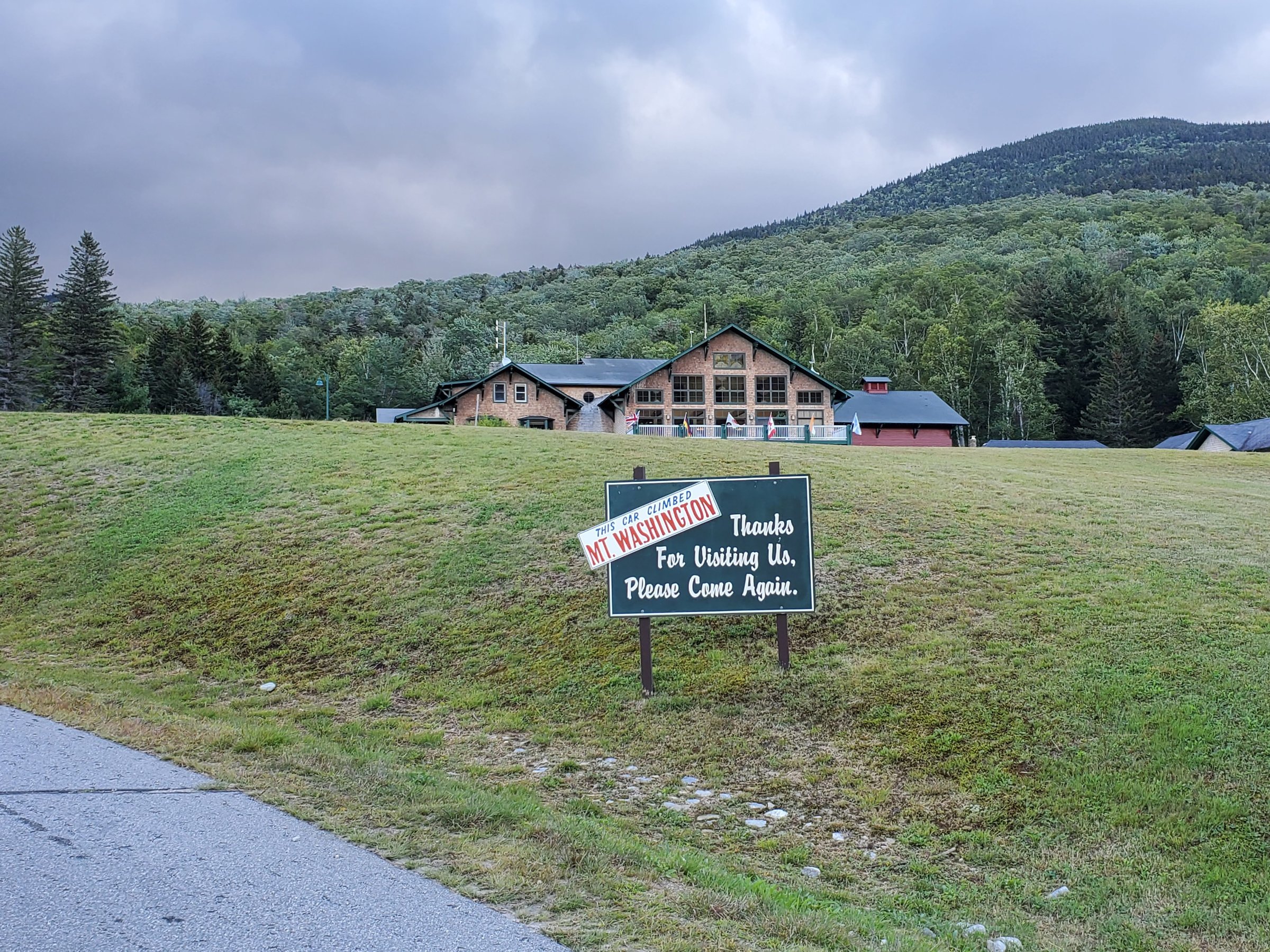
One day, we headed for Mount Washington and enjoyed the ride, figuratively and literally. At the bottom it was warm, but the higher we climbed, the colder it became. By the summit, we were dealing with frigid temperatures and gusting winds. Our car did all the hard work getting us up there, but naturally, we took all the credit when we photographed ourselves at the peak.
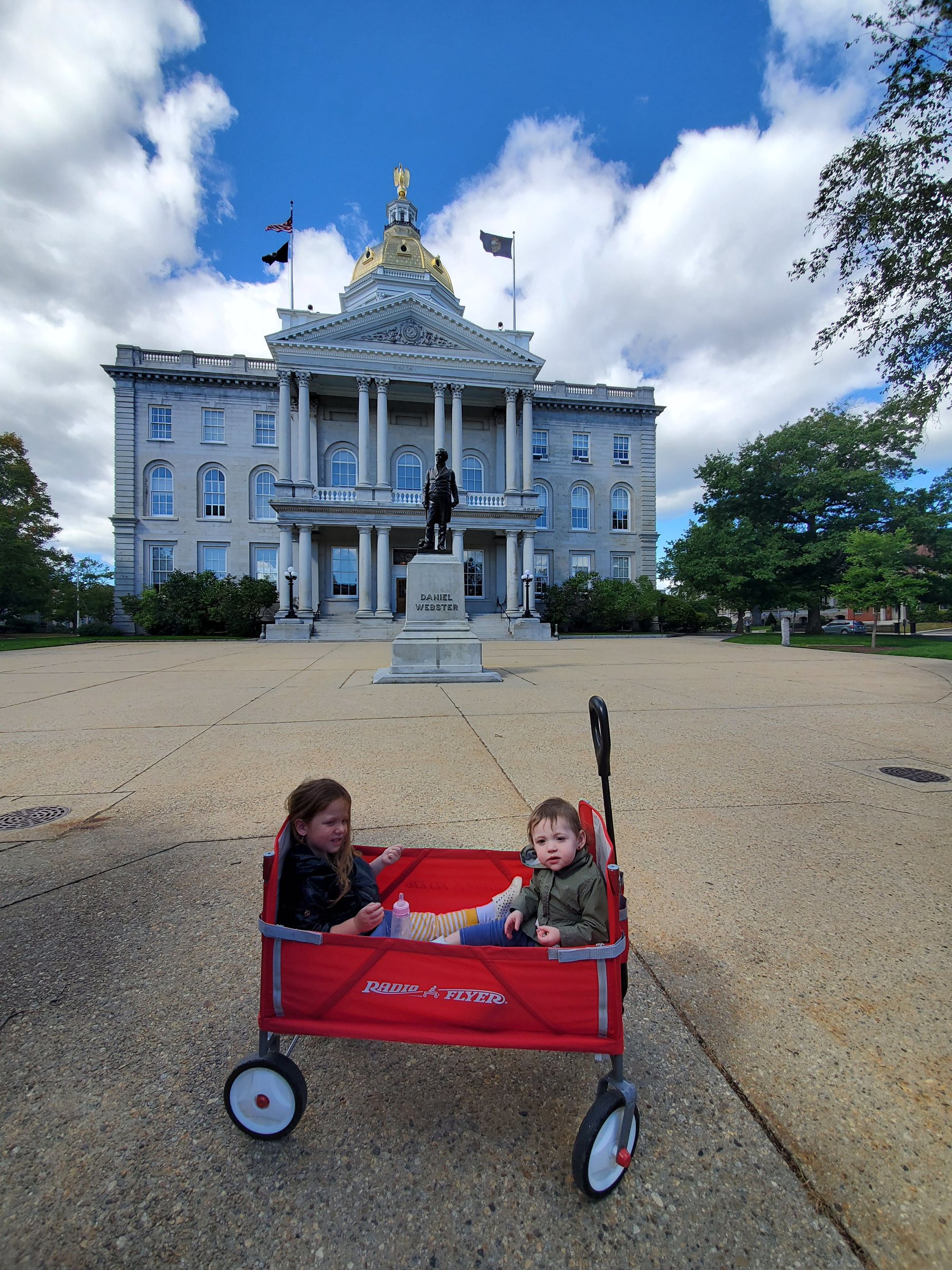
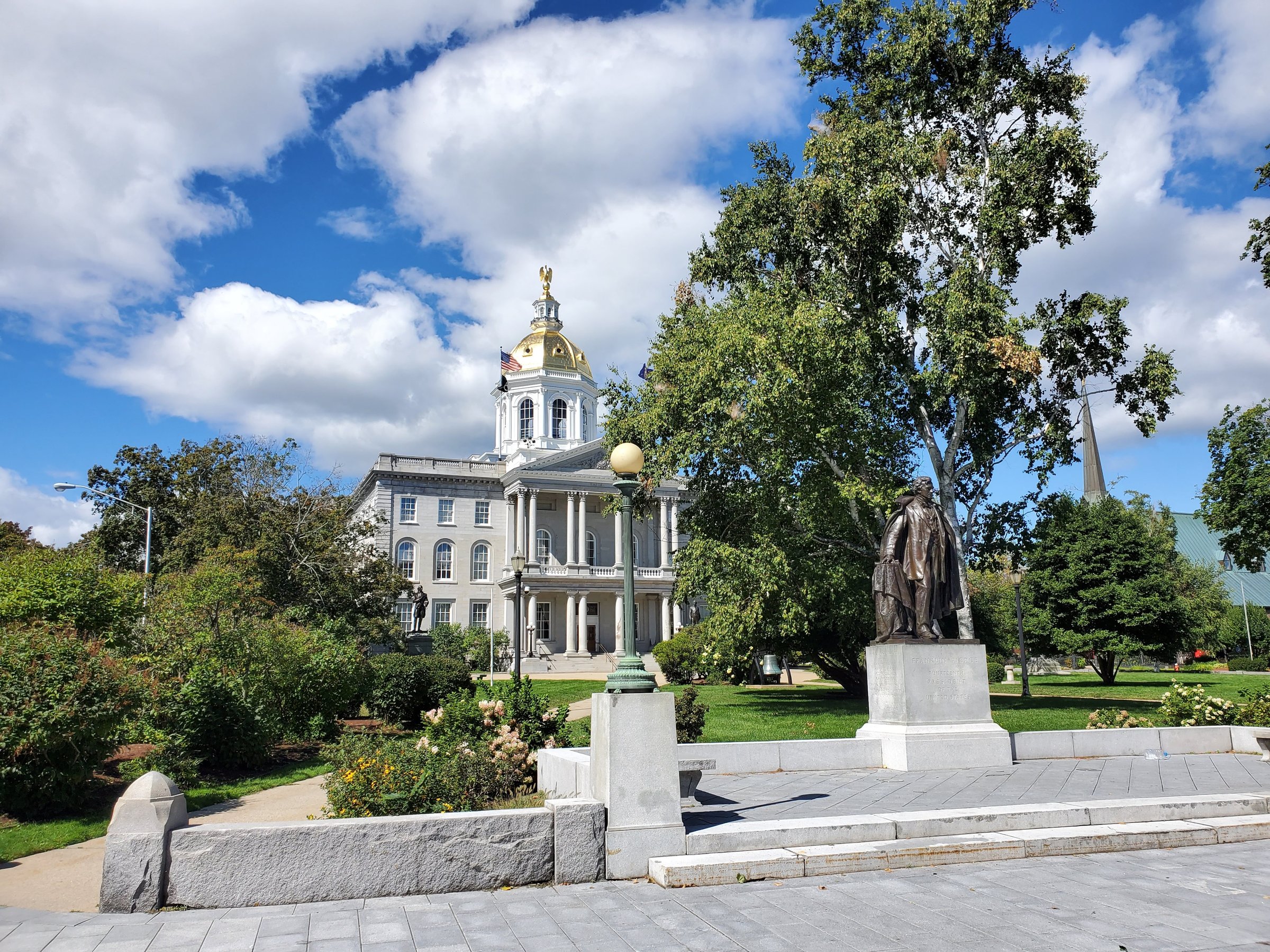
In Concord, we visited the State House, continuing our journey through every capital in America. The building is especially charming, sitting right in the middle of downtown with its golden dome rising above the surrounding streets.
On our way south, we made it to Portsmouth, which gave us another side of the state. Historic streets, colorful buildings, little shops, cafés, and the feeling of an old New England port city that managed to keep its character. At Strawbery Banke, we stepped back through centuries of everyday life, walking through old homes and seeing how families once lived. A few minutes later, we were back among the shops and cafés of modern Portsmouth.
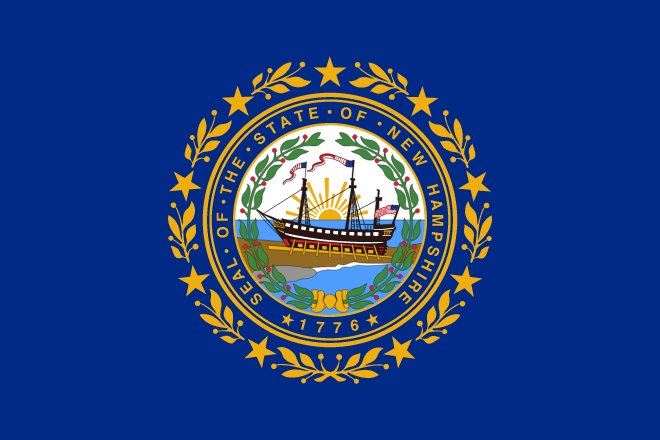
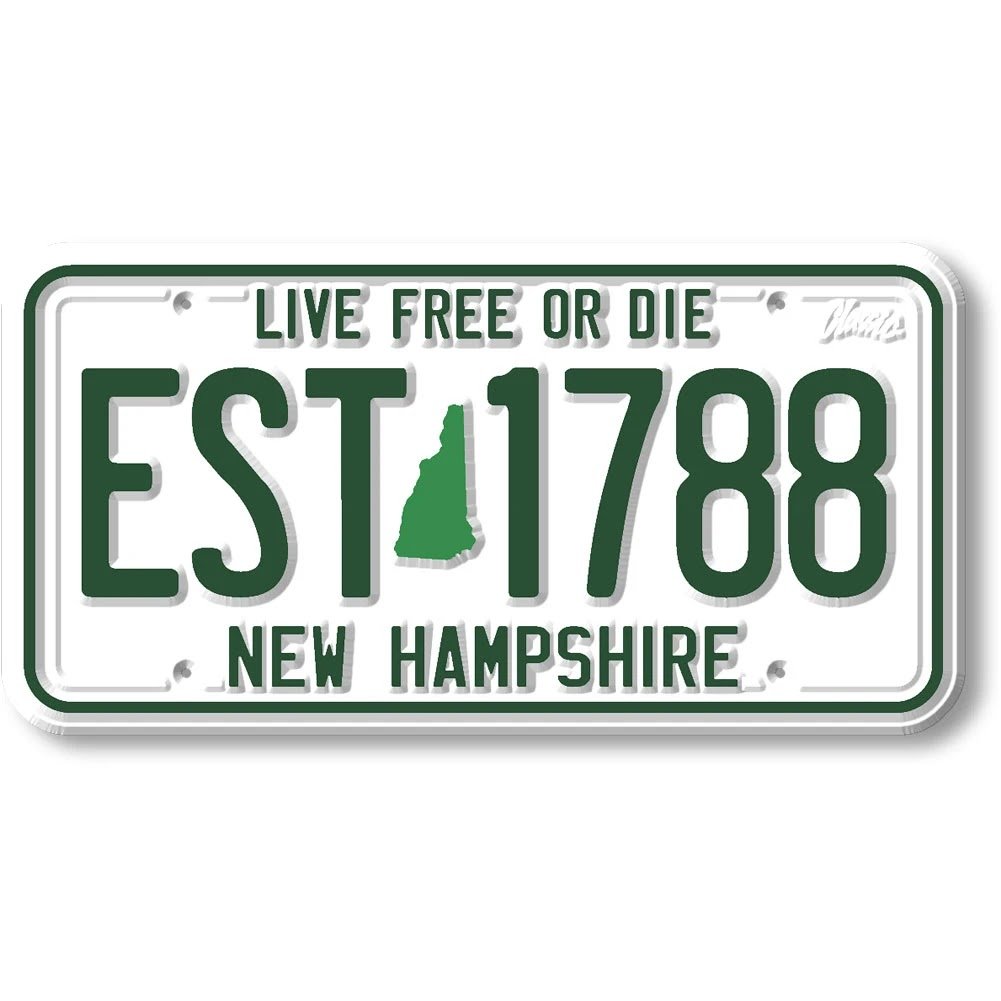
The more we traveled, the more the state motto began to make sense. New Hampshire has a certain independence about it.
It does not seem particularly interested in becoming anywhere else.
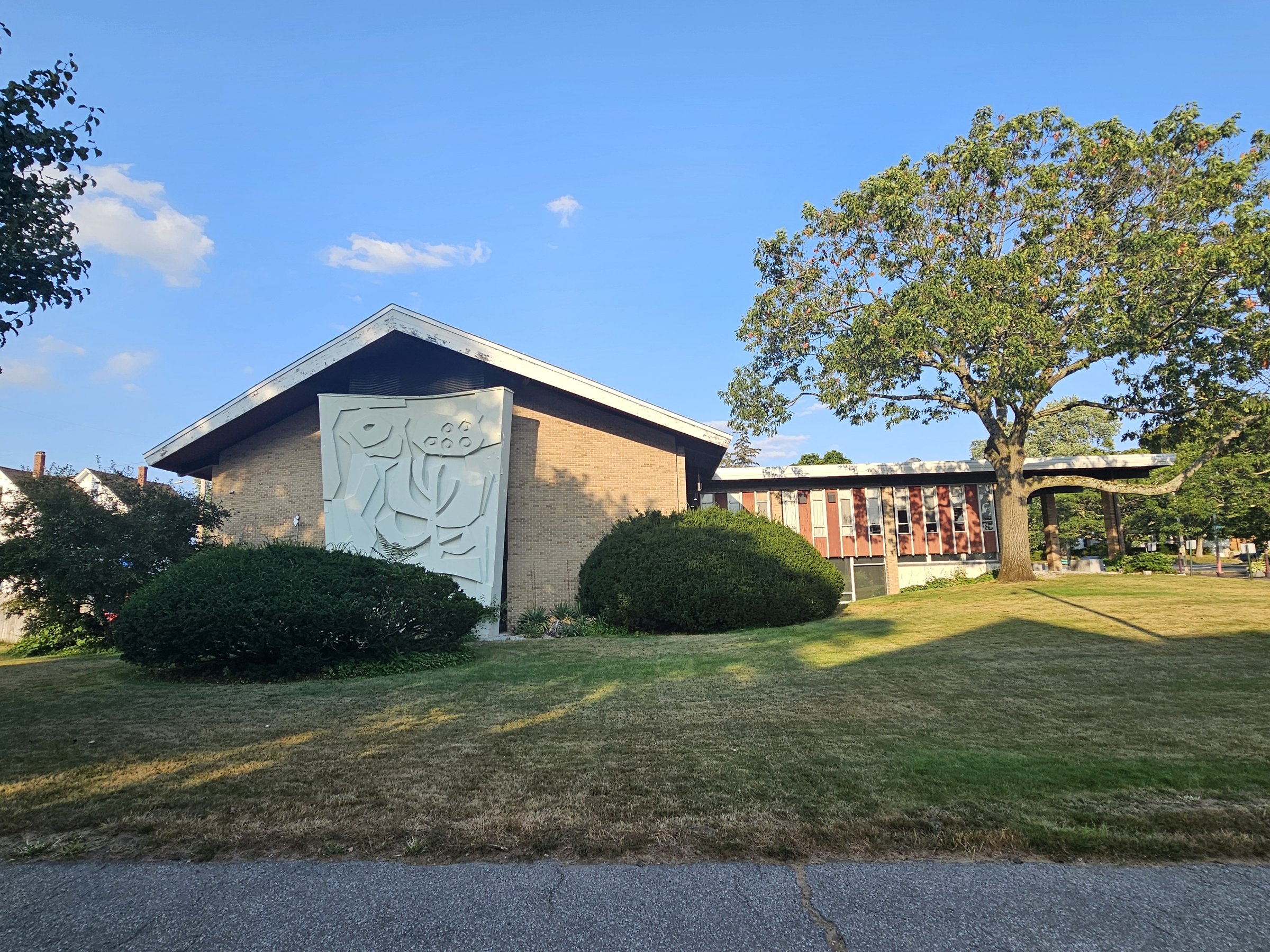
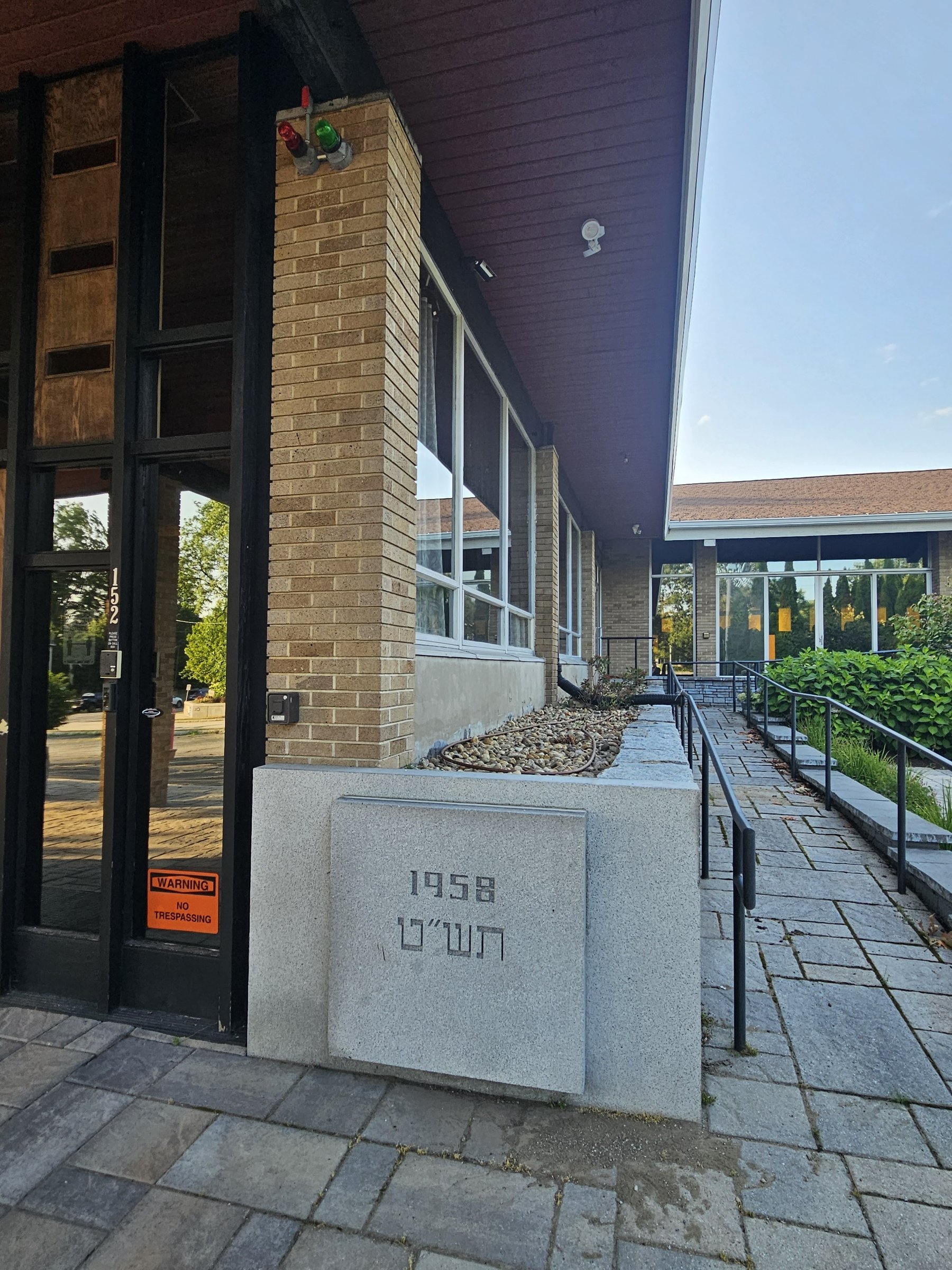
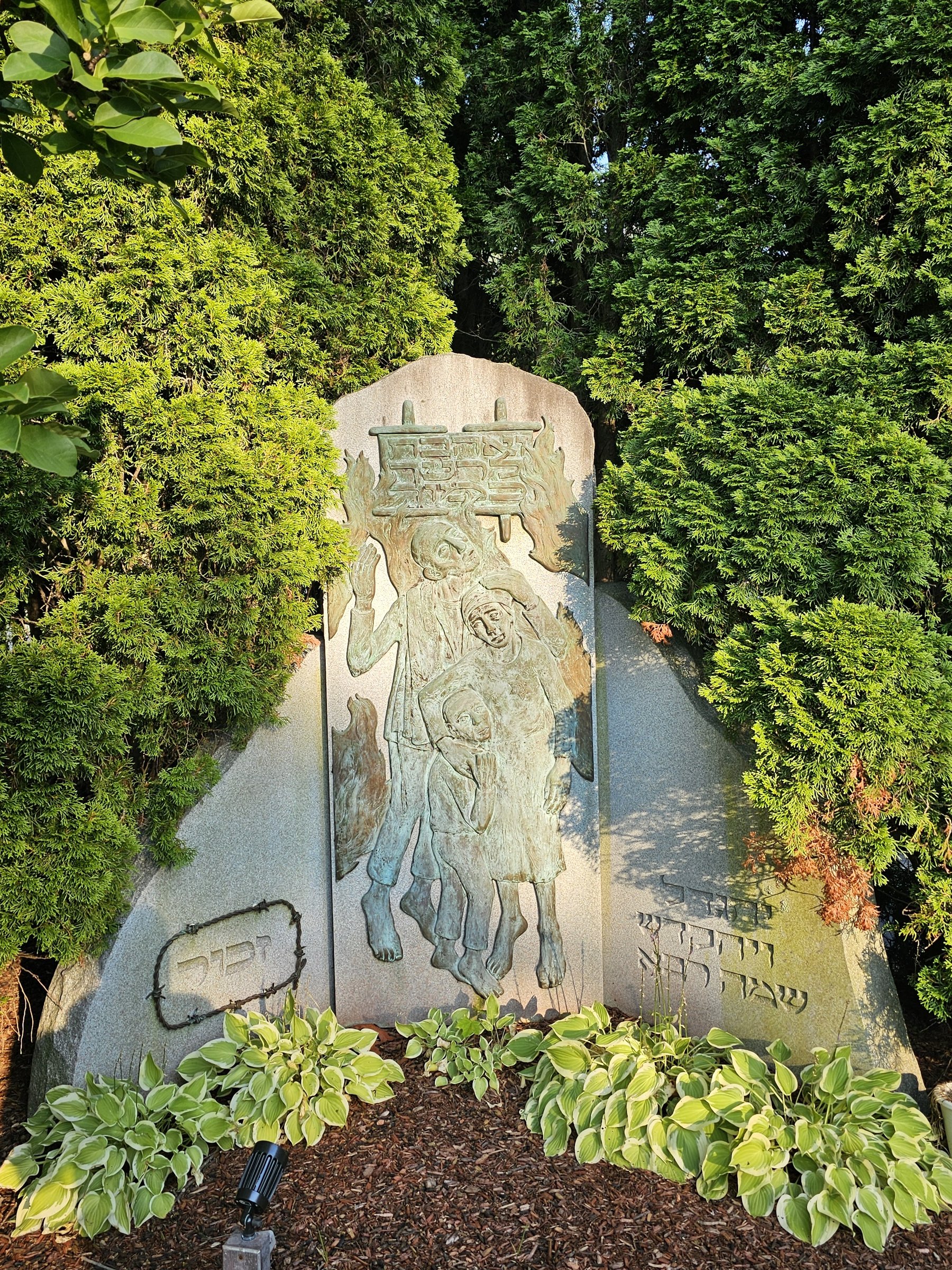
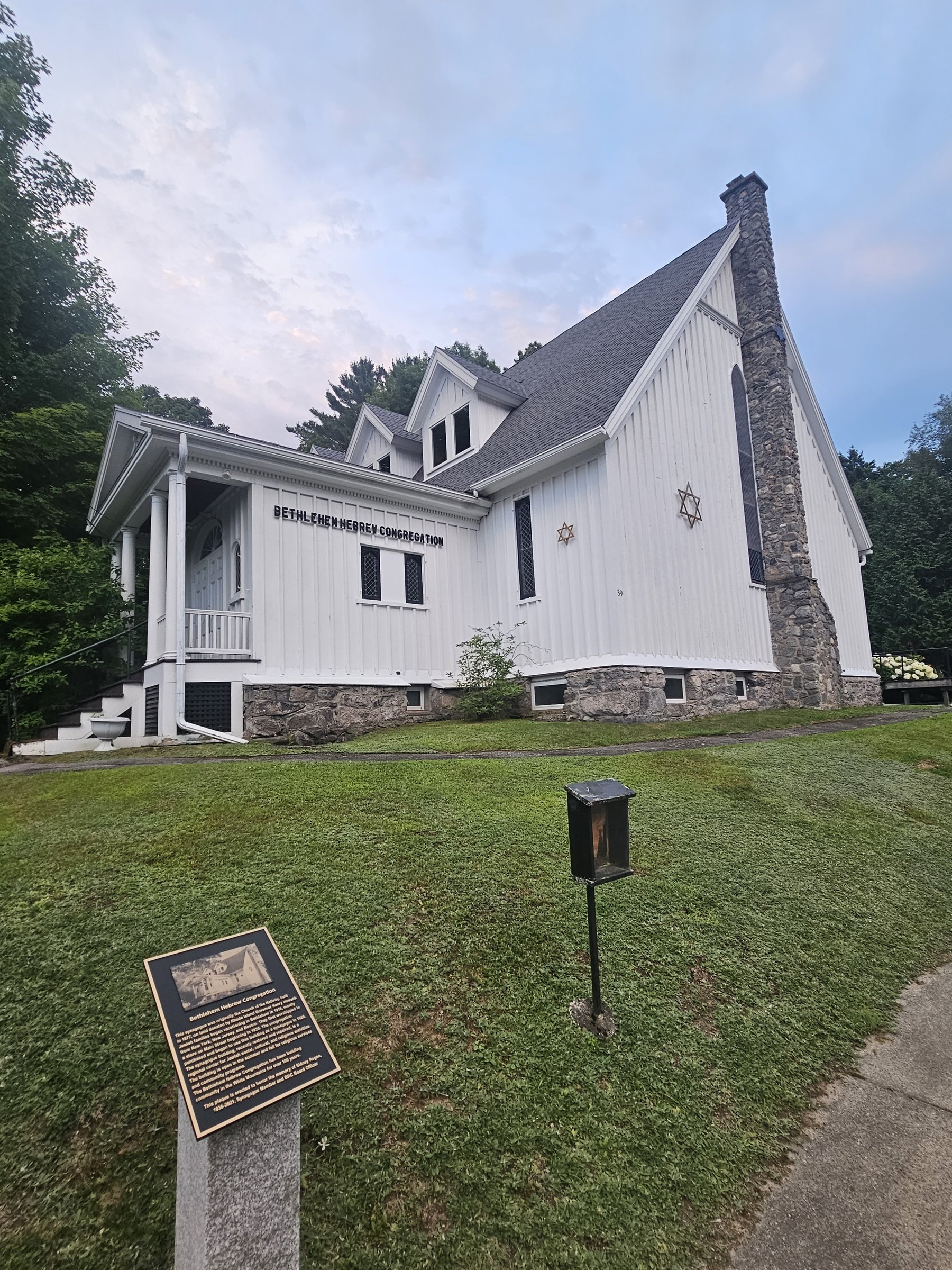
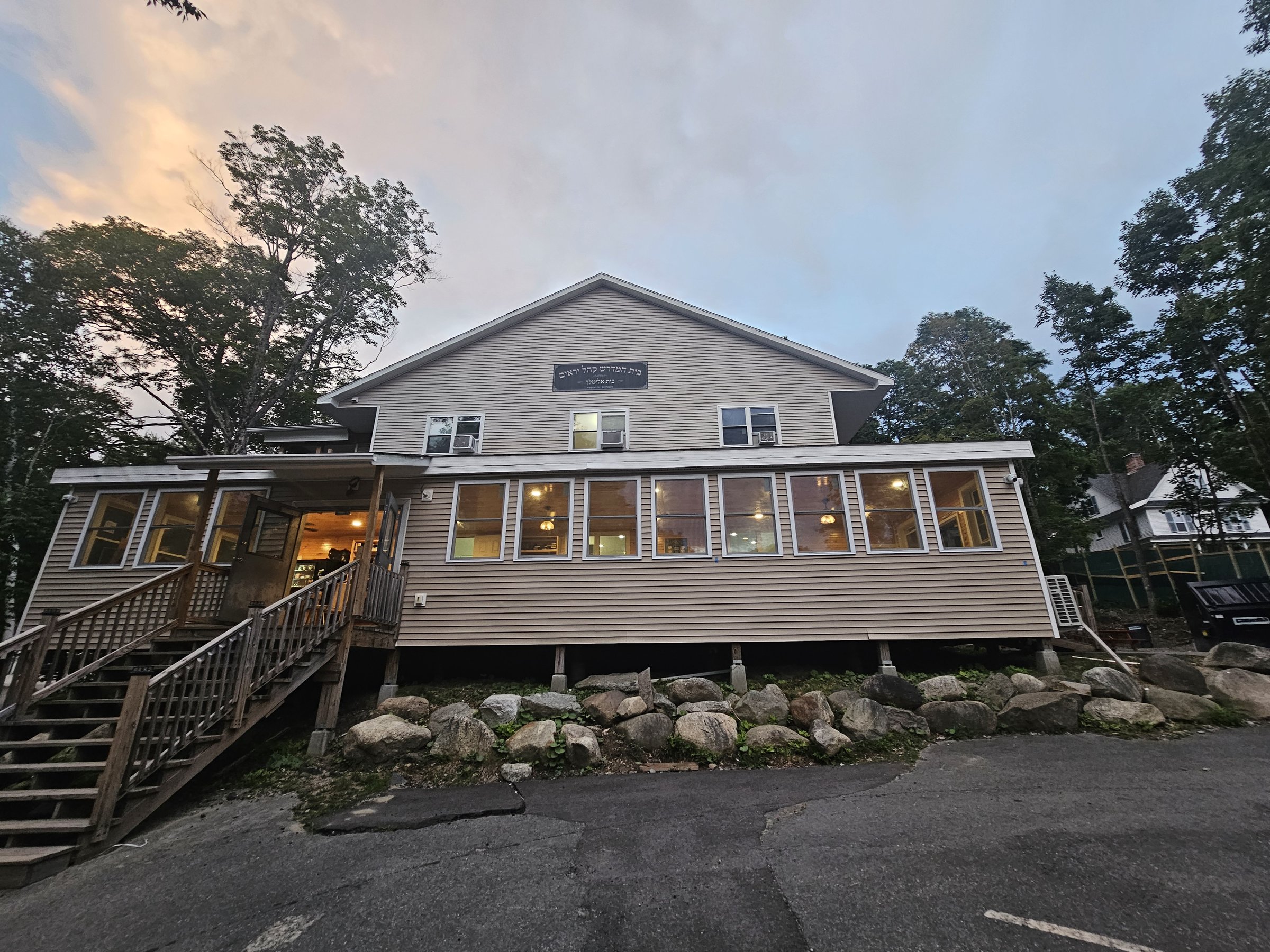
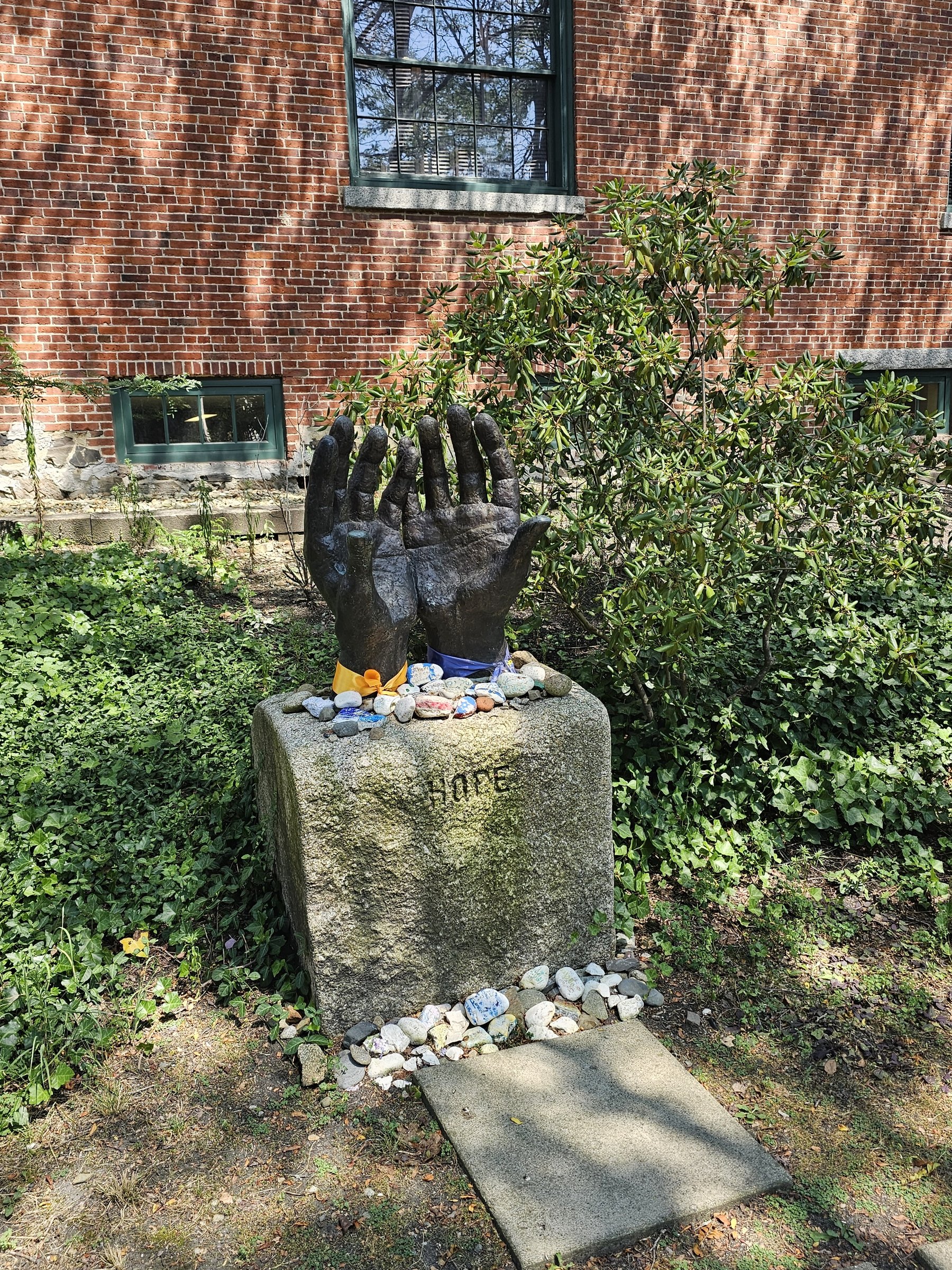
Jewish New Hampshire
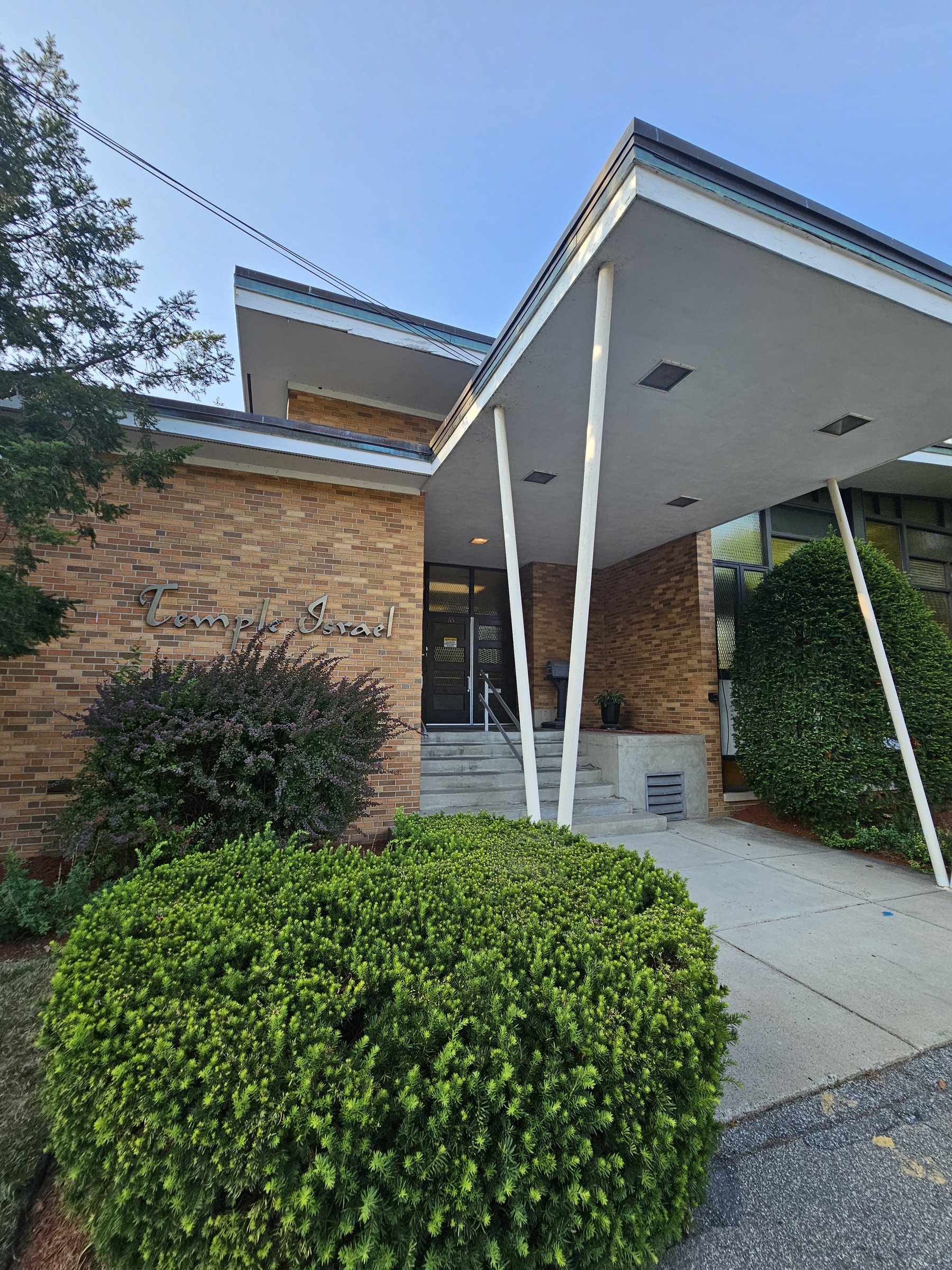
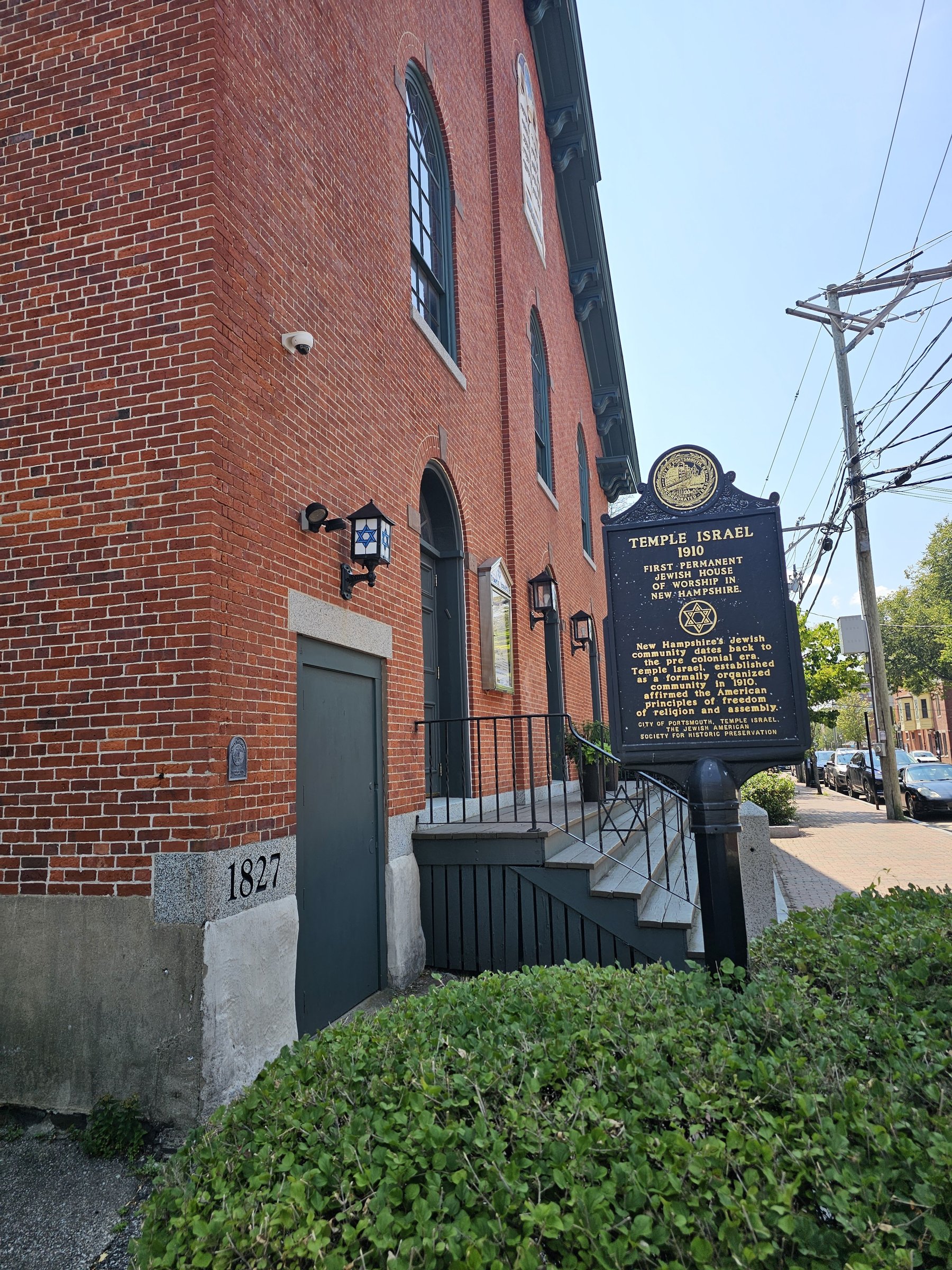
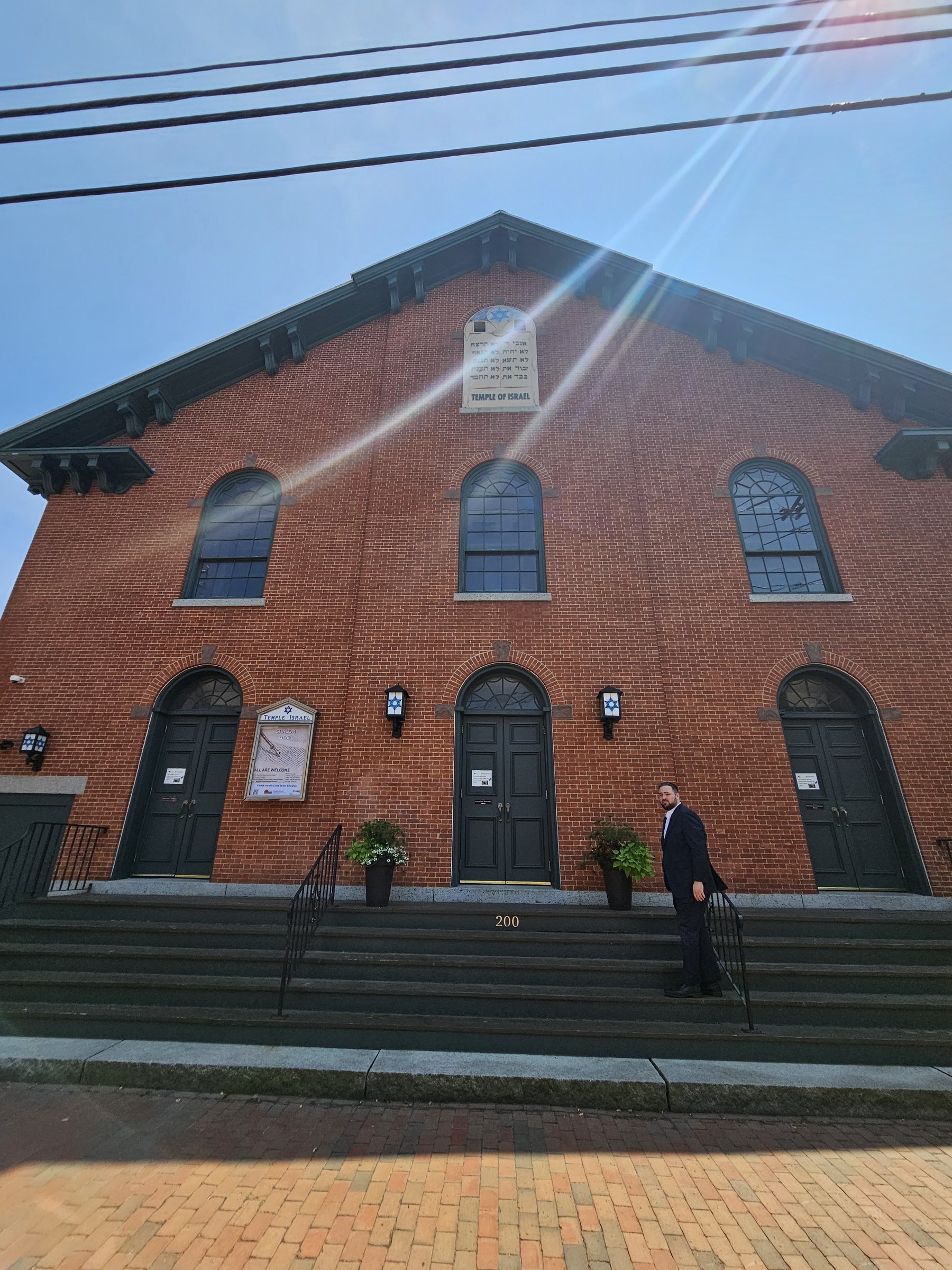
In Portsmouth, we visited Temple Israel, New Hampshire’s first permanent Jewish house of worship, and explored a Jewish story that went much deeper than I expected.
Nearby at Strawbery Banke, we visited the Shapiro House, where Jewish immigrants Avrum and Sheva Shapiro built their life after coming from Ukraine. Inside, we saw a Shabbos table set with challah, something Leah immediately recognized from our own home. We also learned about the old mikveh that served the community. It was emotional to see how, more than a century ago, Jewish families this far north were still holding tightly to the same traditions we practice today.
That history is especially meaningful because New Hampshire was not always welcoming to religious outsiders. Its early constitution restricted major elected offices to Protestants, and hotels excluding Jews could still be found in the White Mountains generations later.
In Newmarket, we stopped at the historic marker connected to Nathan Swartz, the Ukrainian born shoemaker whose company eventually created the Timberland boot and turned it into a worldwide brand.
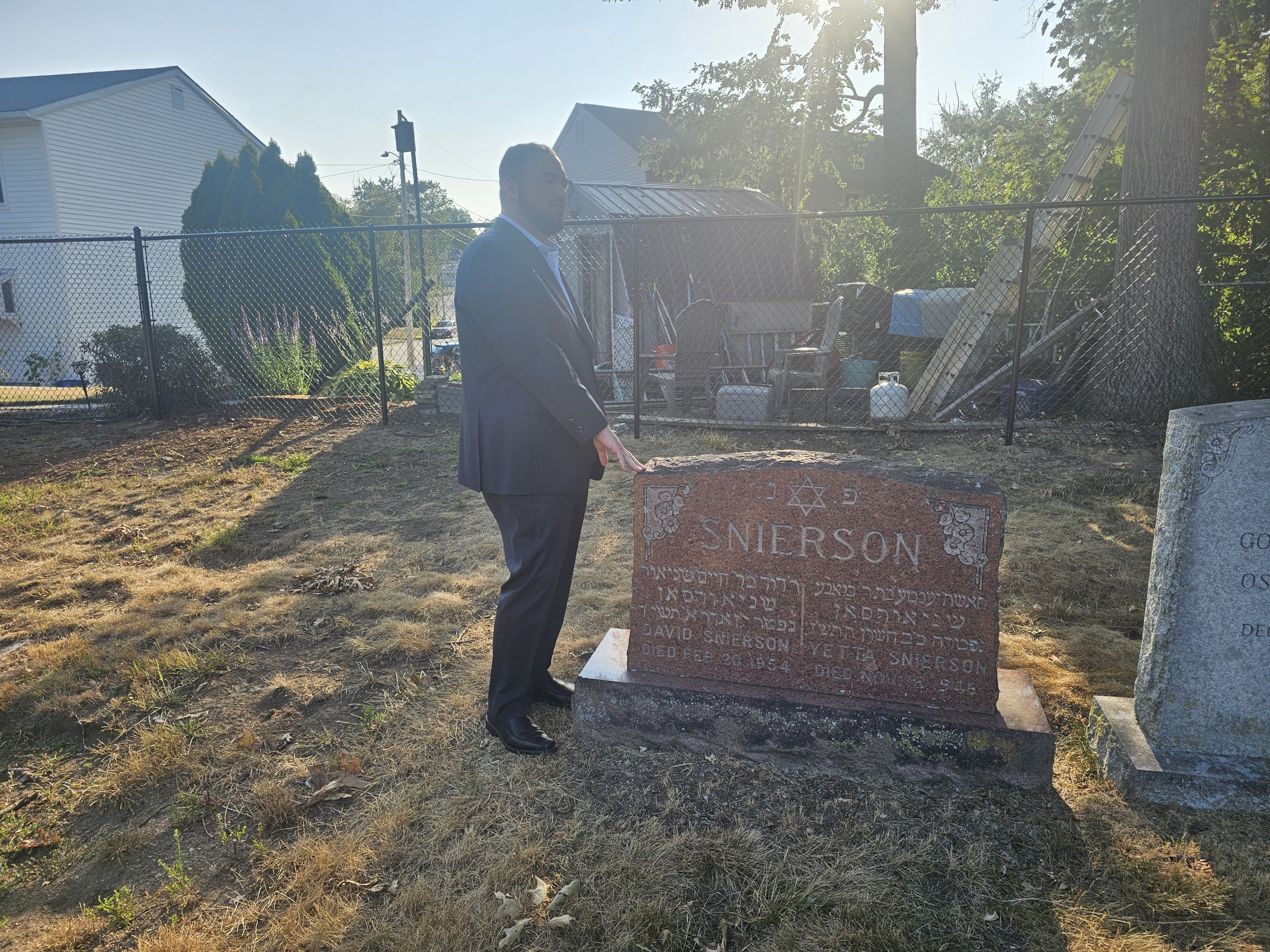
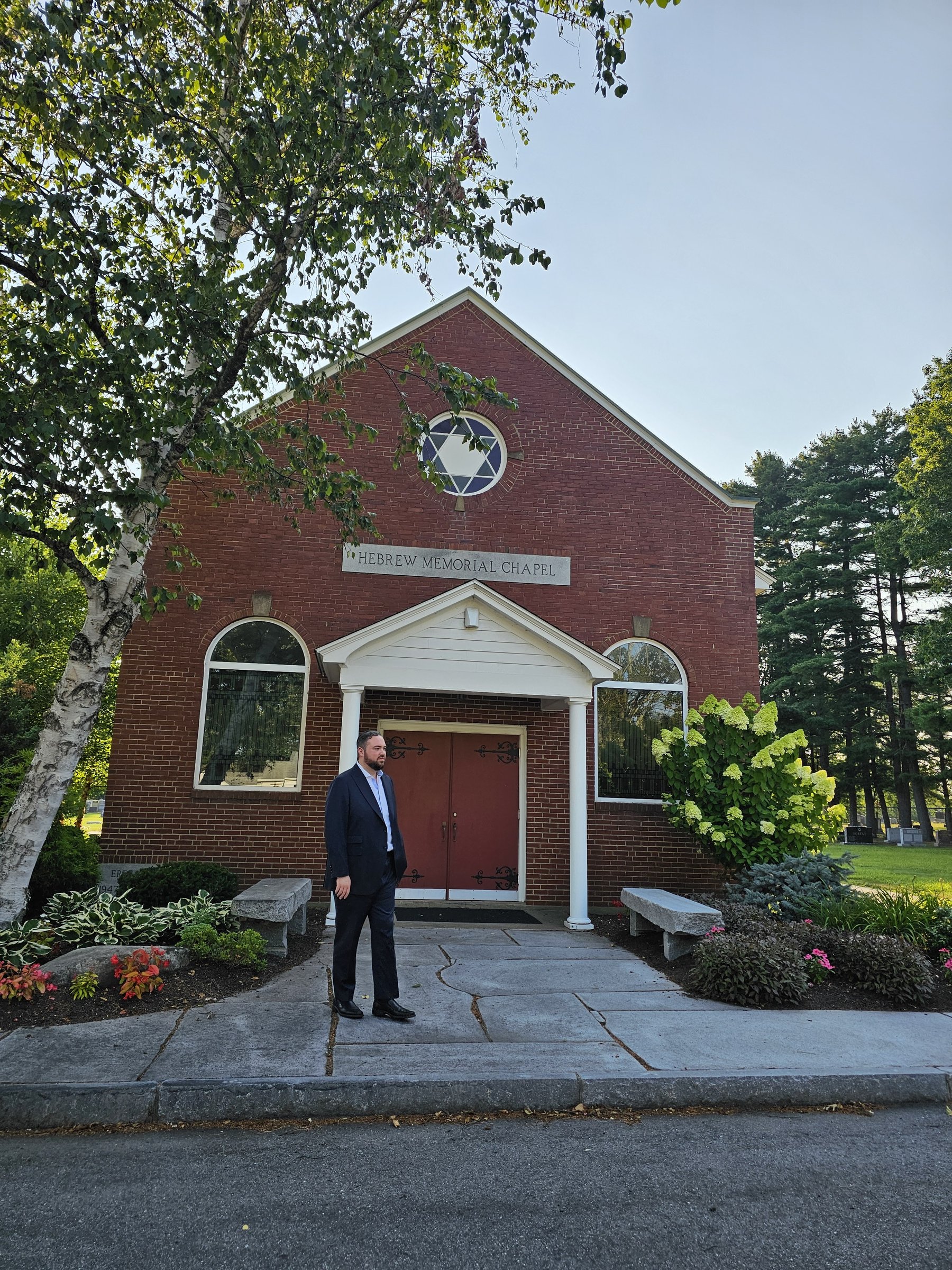
And in Manchester, we visited the Jewish cemetery and the grave of Rabbi Dovid Snierson, an early Orthodox rabbi who helped build Jewish life in New Hampshire.
Jewish New Hampshire is not enormous, but from Portsmouth to Manchester and the small towns in between, we kept finding pieces of a community that quietly held on.
What Stayed With Me
What stayed with me about New Hampshire was its independence.
The mountains and little towns are beautiful, but there was also a feeling that the state knew exactly what it wanted to be.
“Live Free or Die” felt less like a slogan and more like its personality.
New Hampshire does things its own way. And does not want to change that.
Have a story, an idea, or a reason to connect?
For editorial inquiries, media, speaking, collaborations, historical research, or simply a story you think I should know I'd be glad to hear from you.
Contact Dov