Massachusetts
Where the Revolution is still ongoing.
Boston · Cambridge · Salem · Quincy
The Journey
Massachusetts is probably the best place for a crash course in American history.
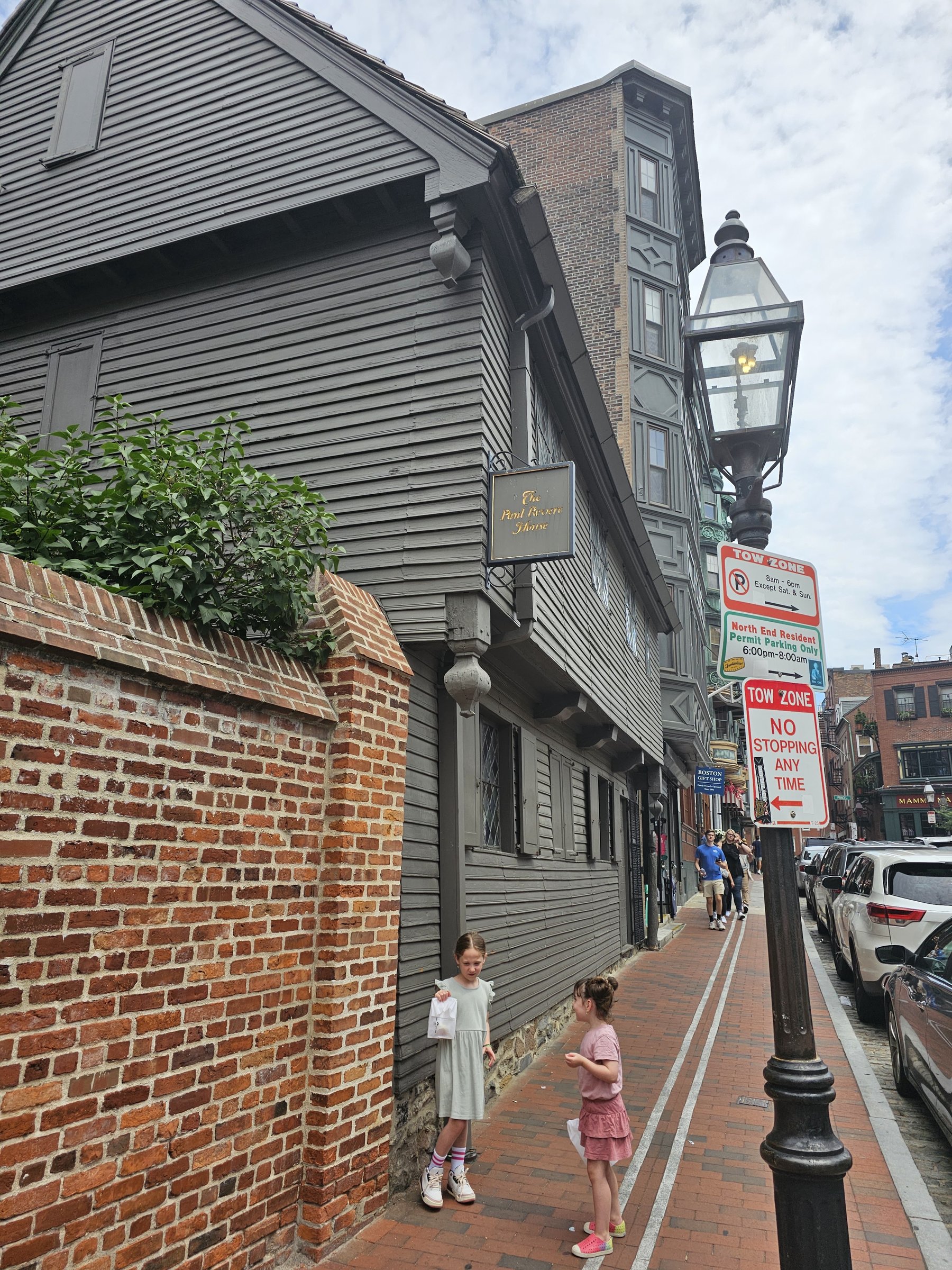
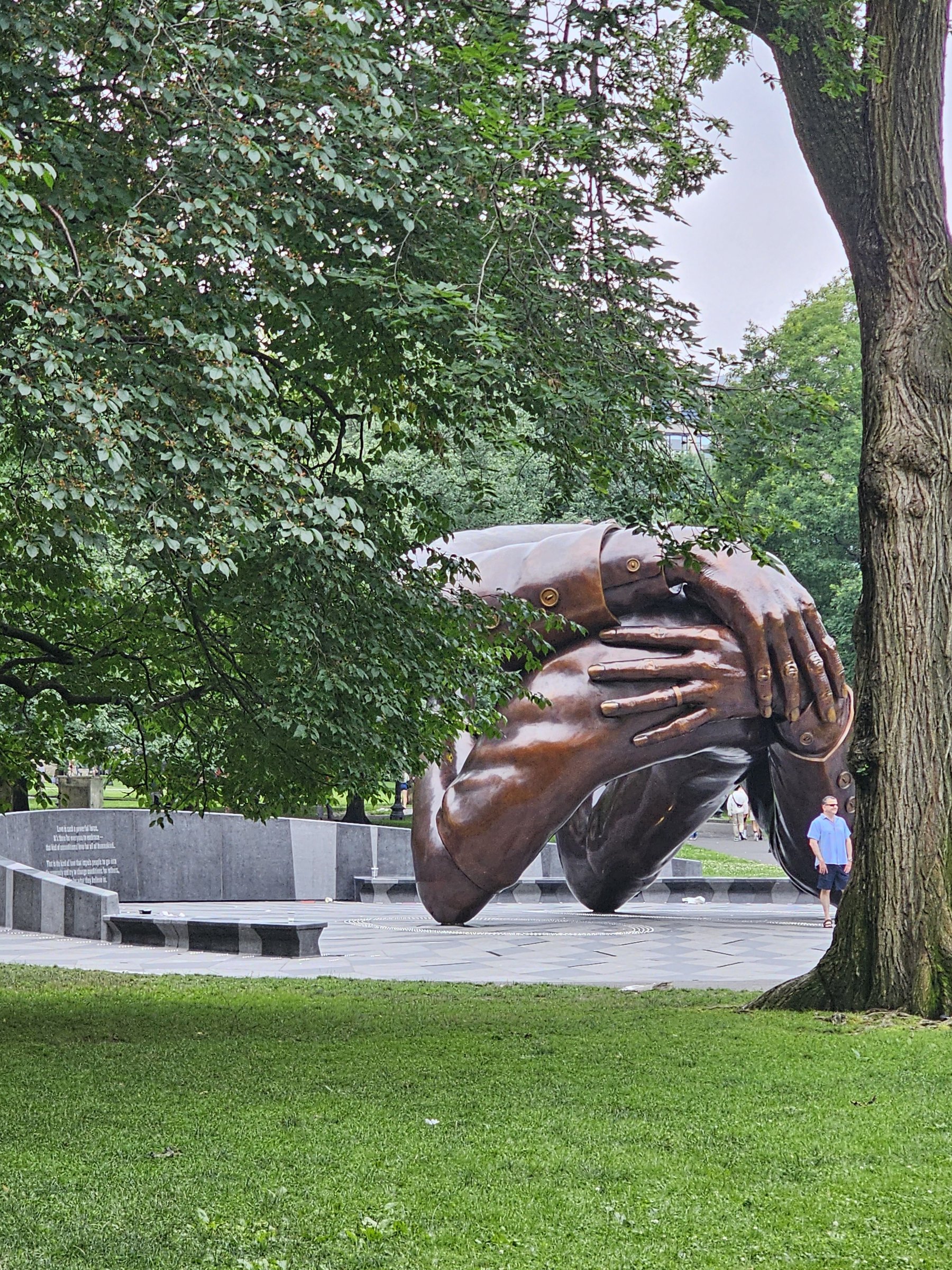
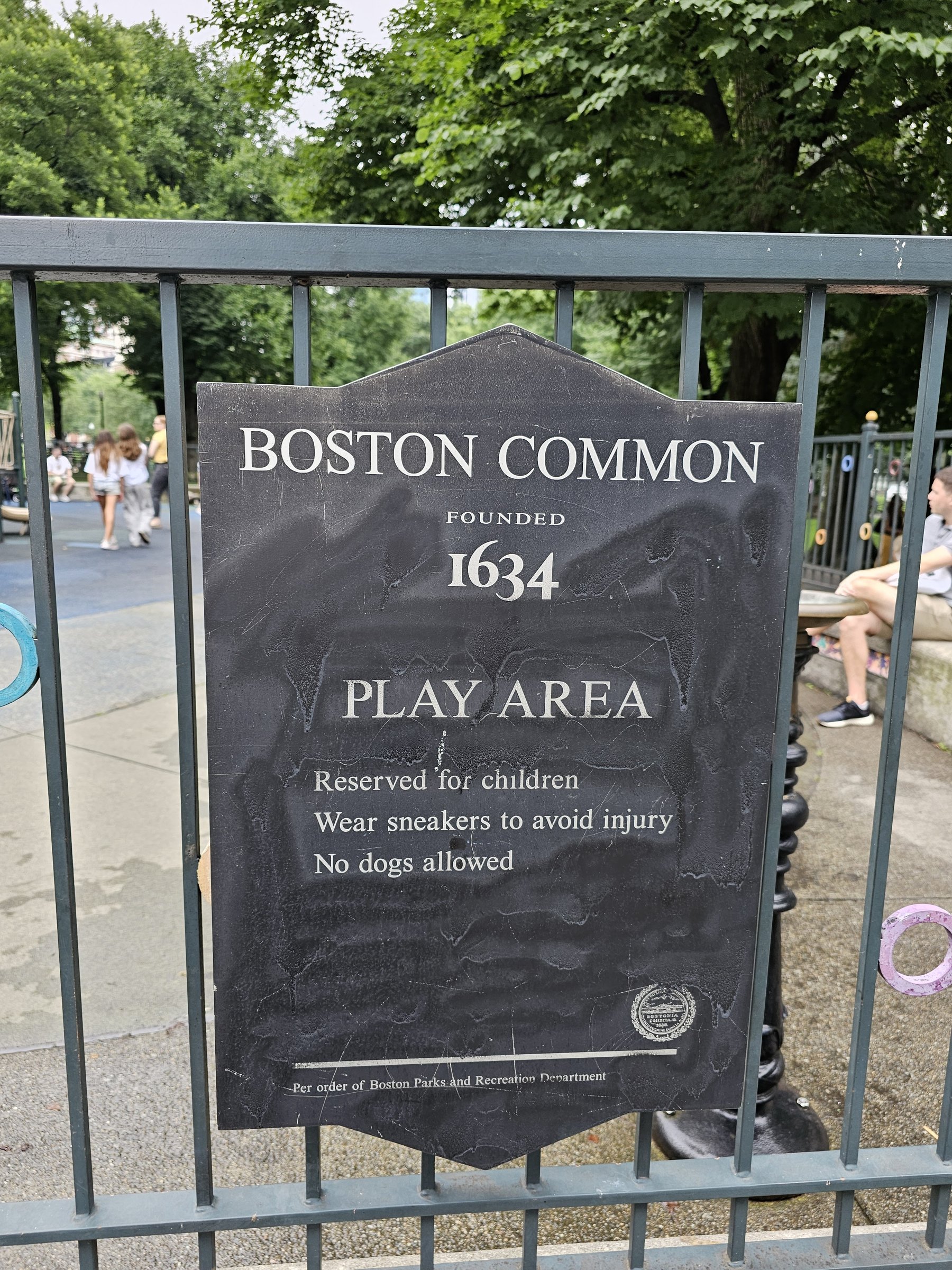
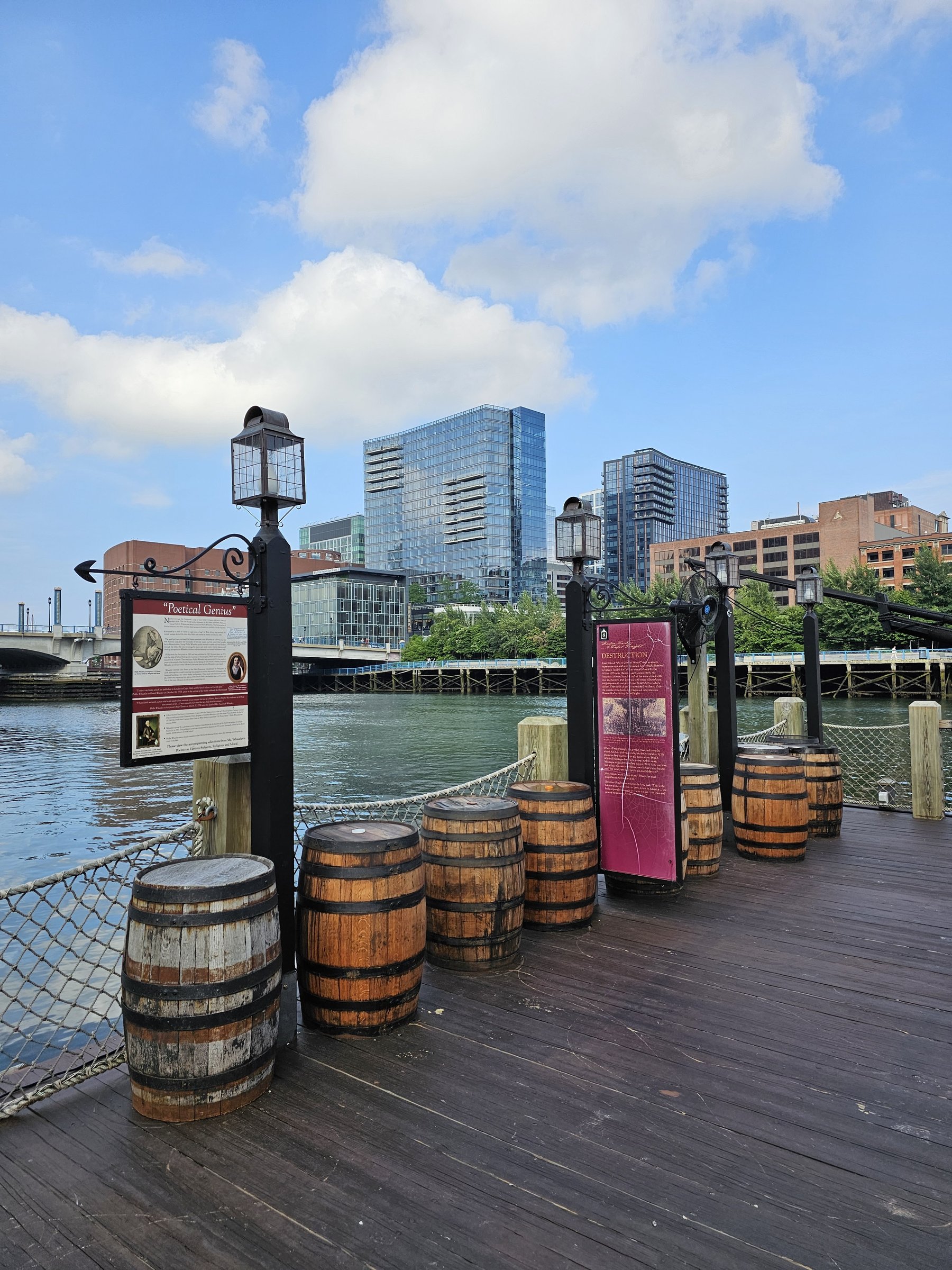
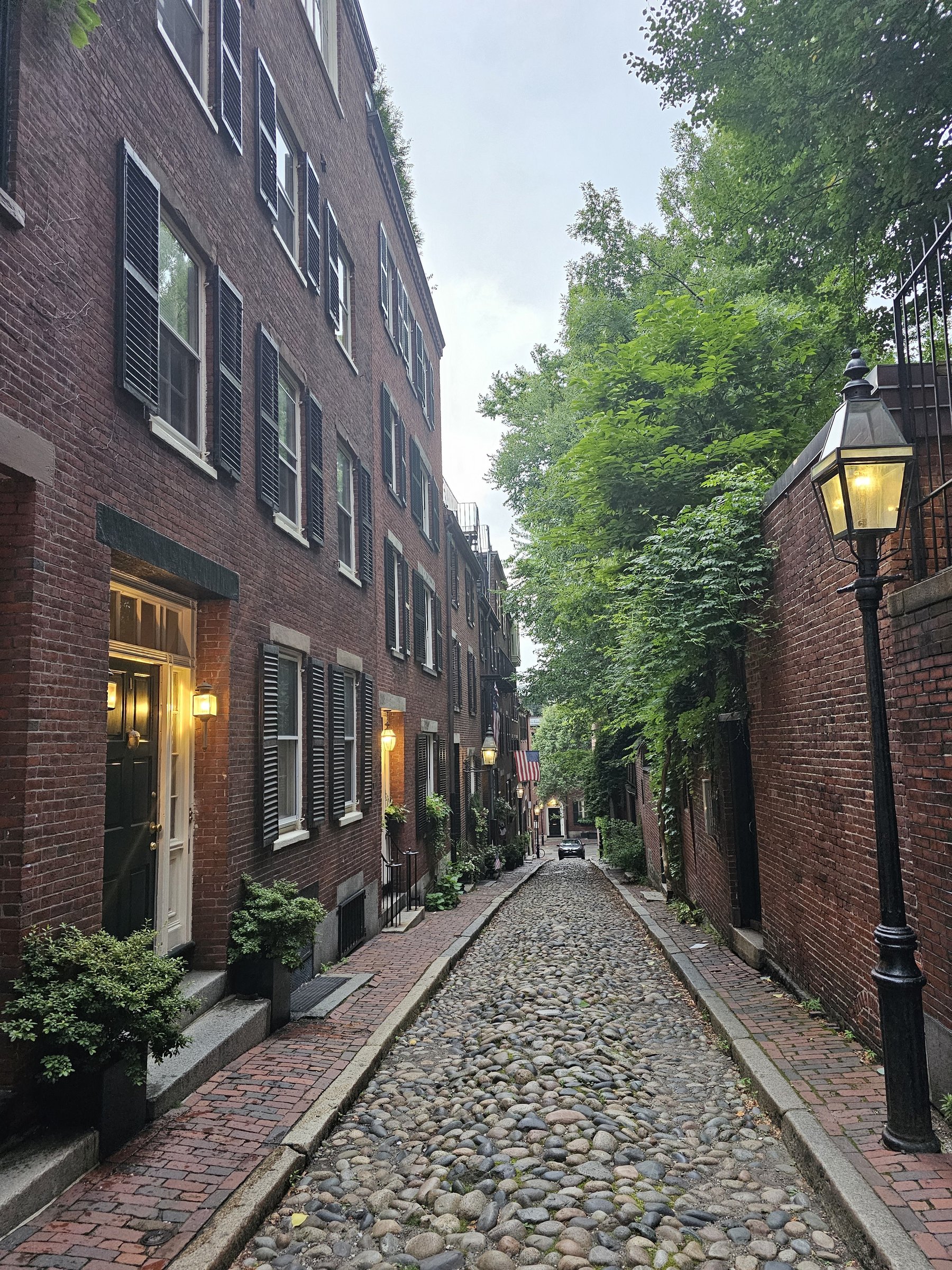
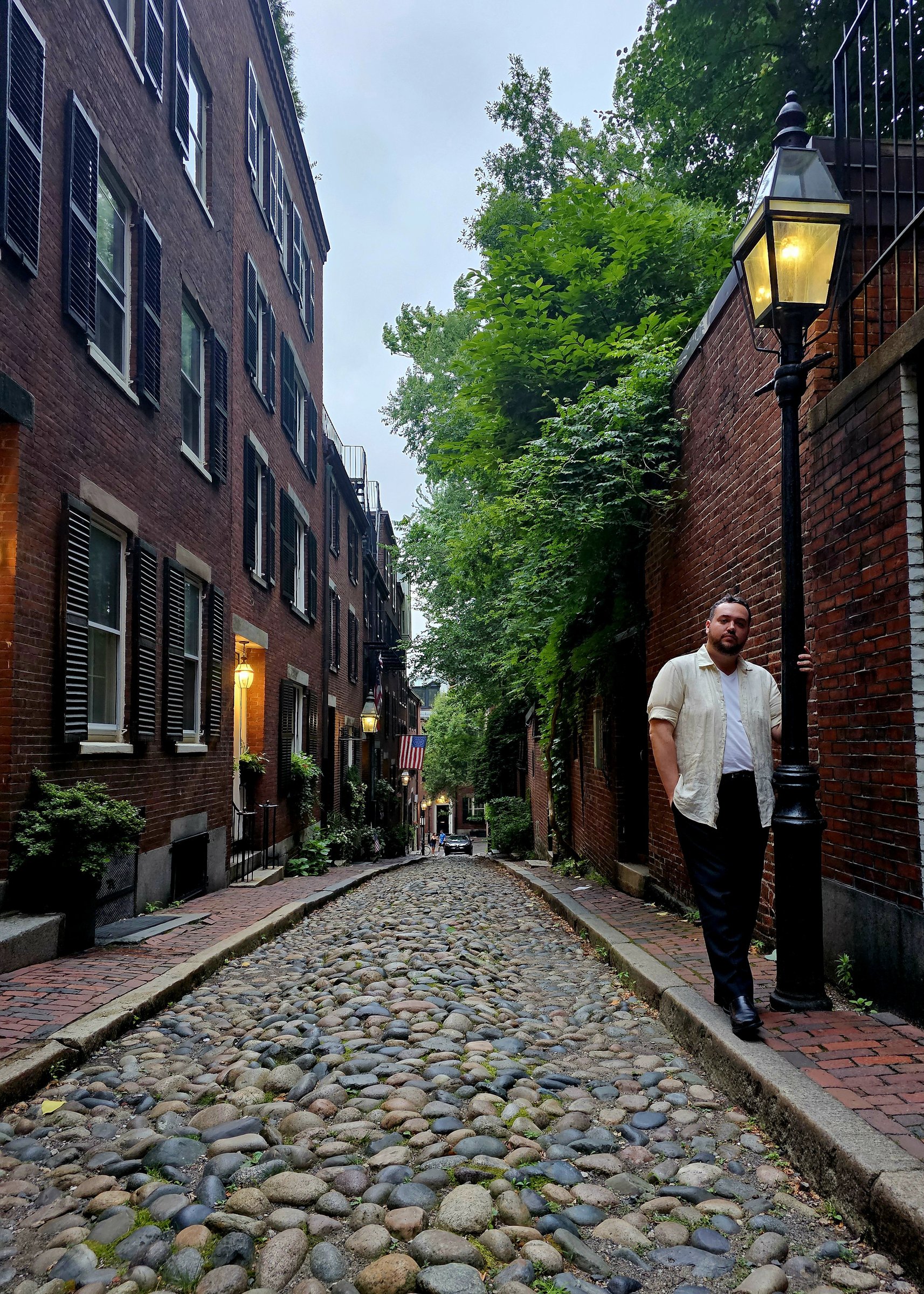
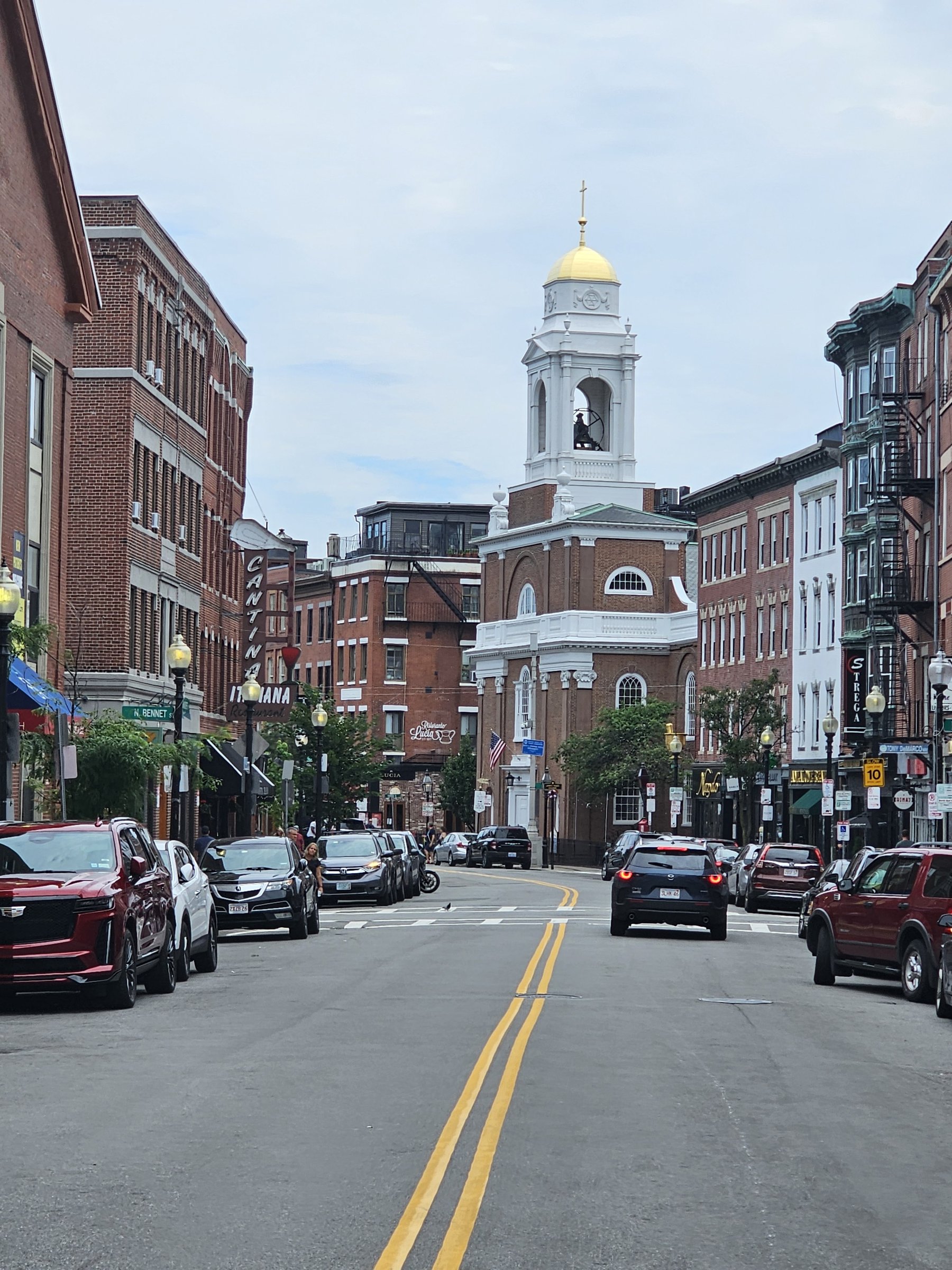
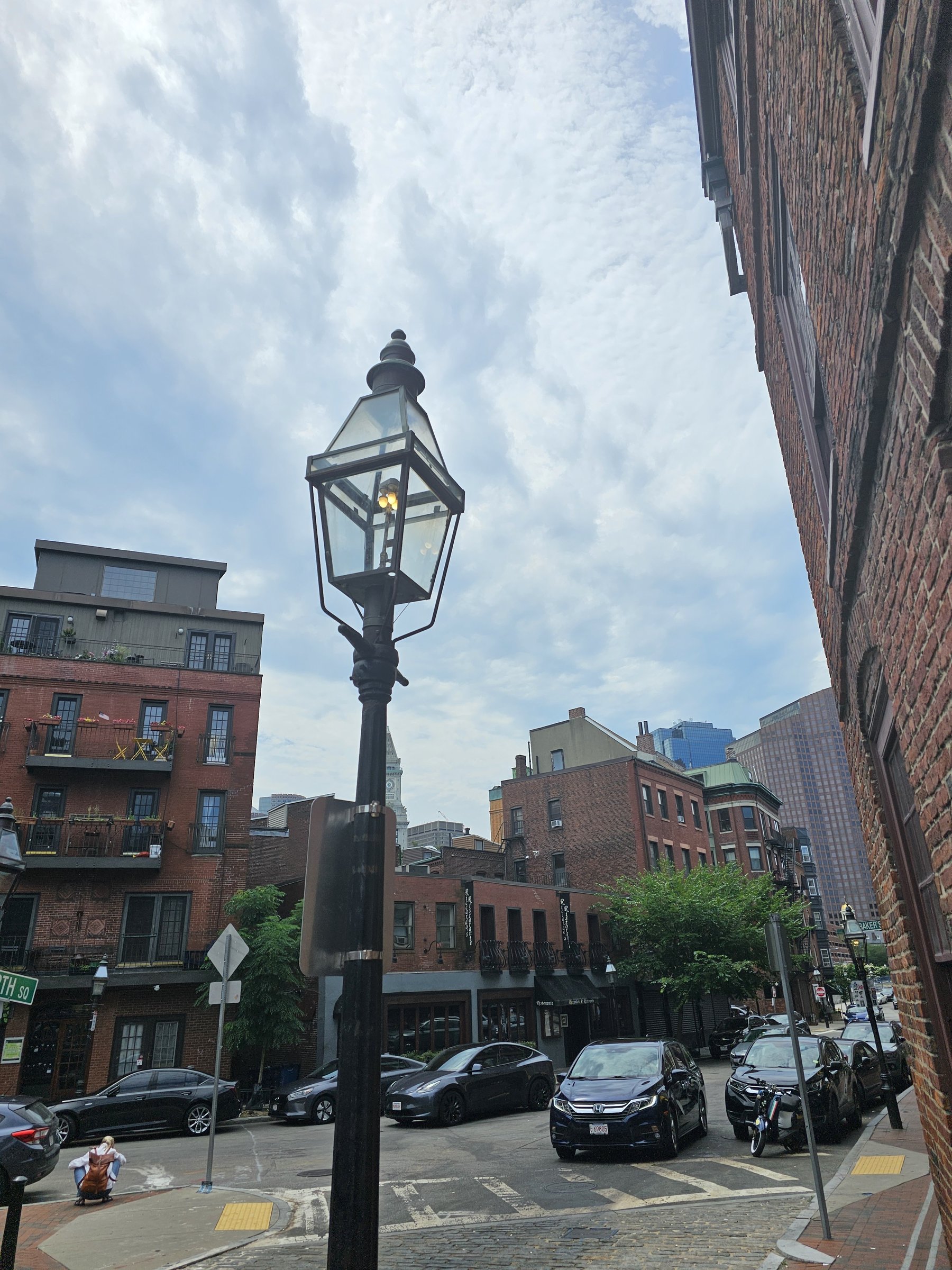
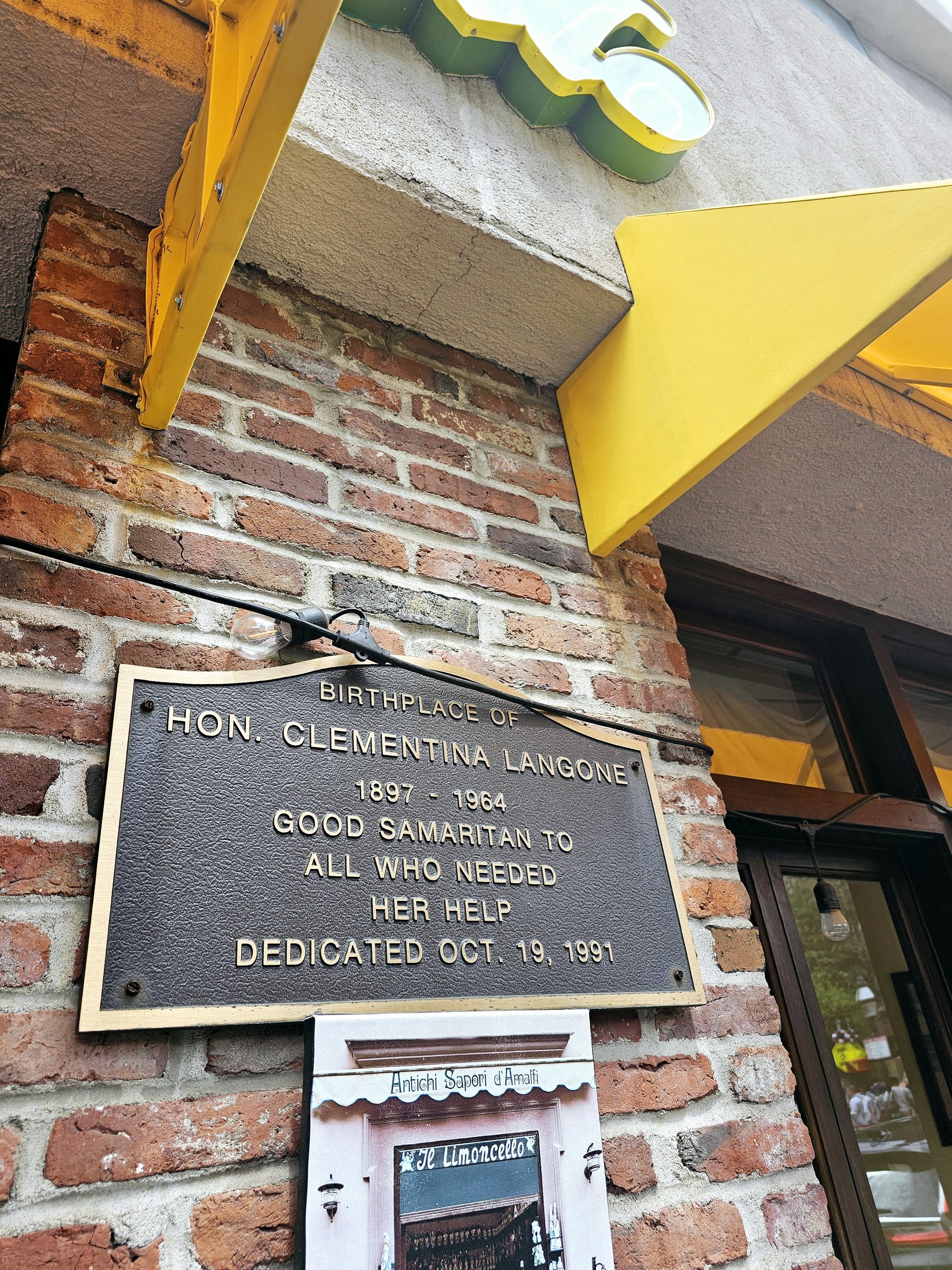
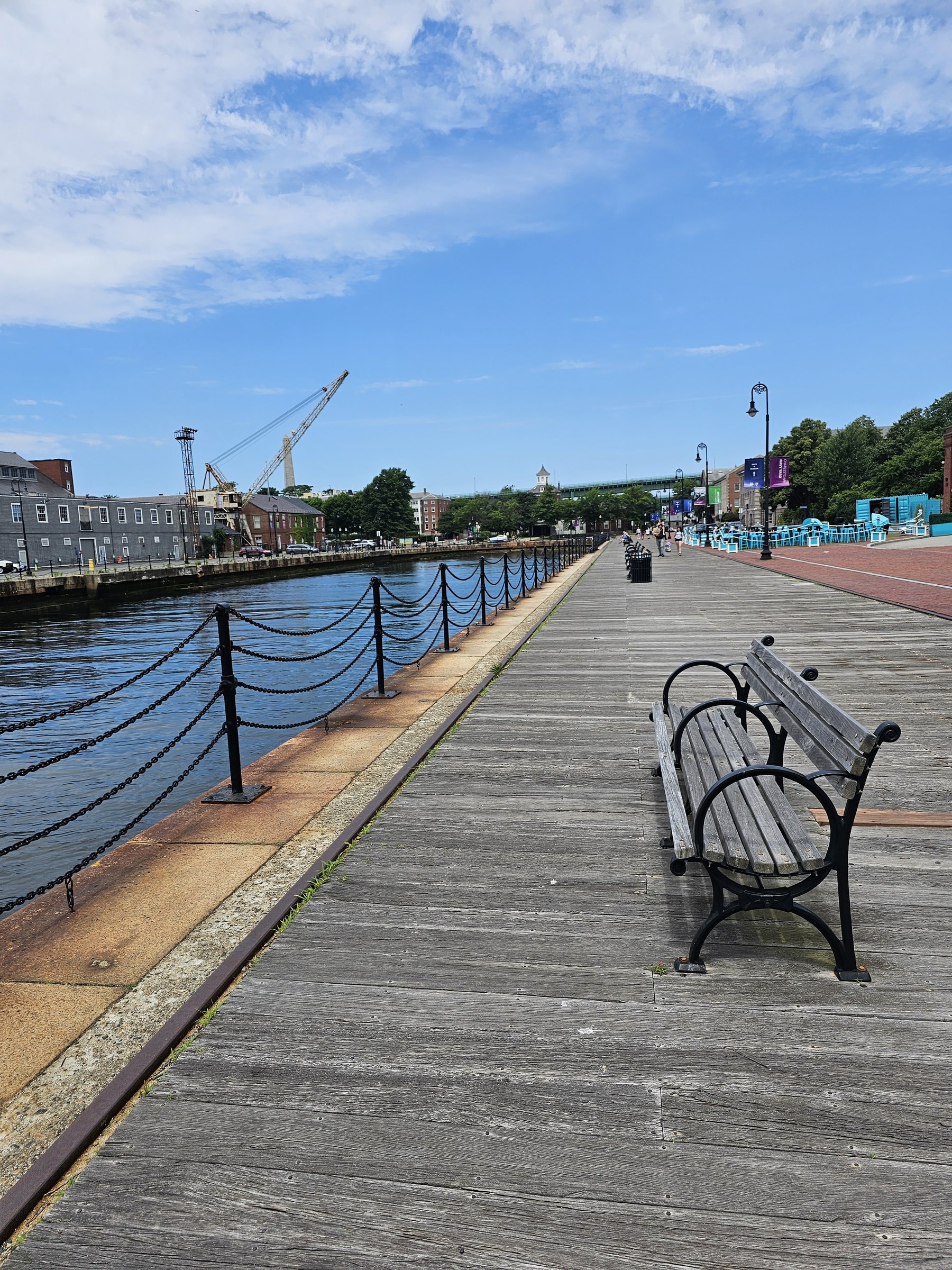
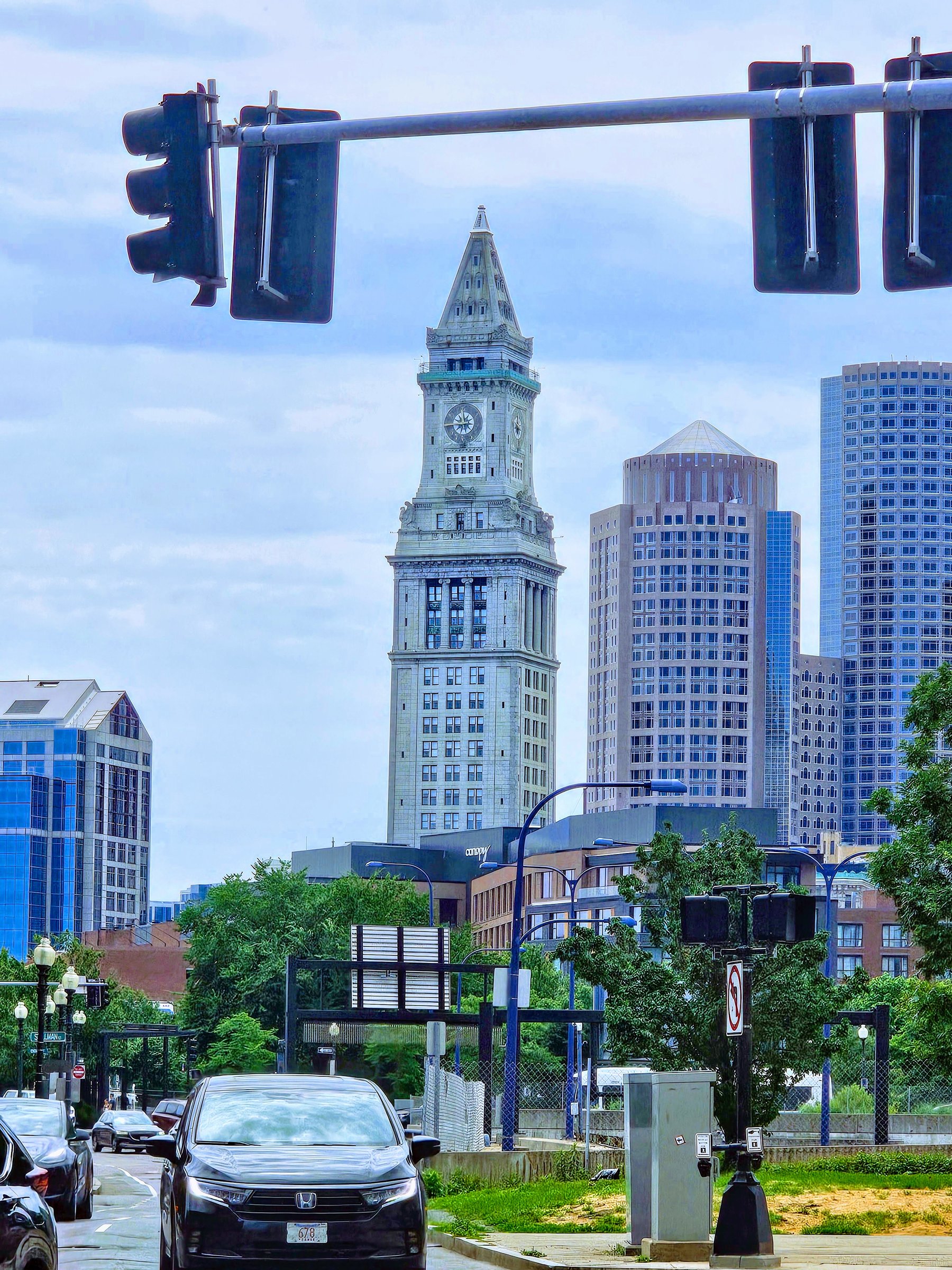
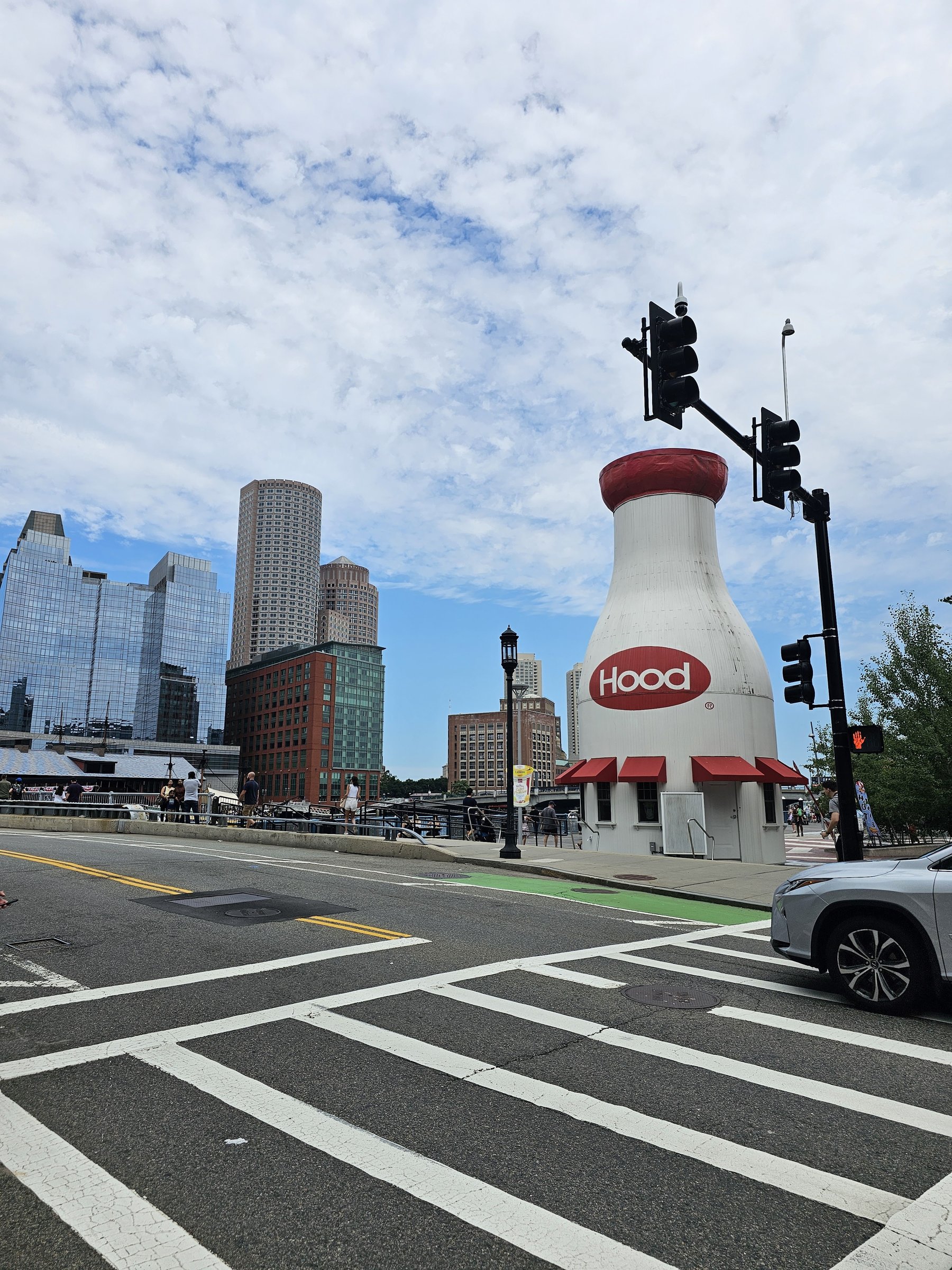
Being in Boston was a treat. Walking through the city, old brick buildings and narrow cobblestone streets sit beside modern towers, while names and places we had learned about for years suddenly became real. The Boston Tea Party, Paul Revere, the Revolution, and the beginnings of the country all seem unusually close here.
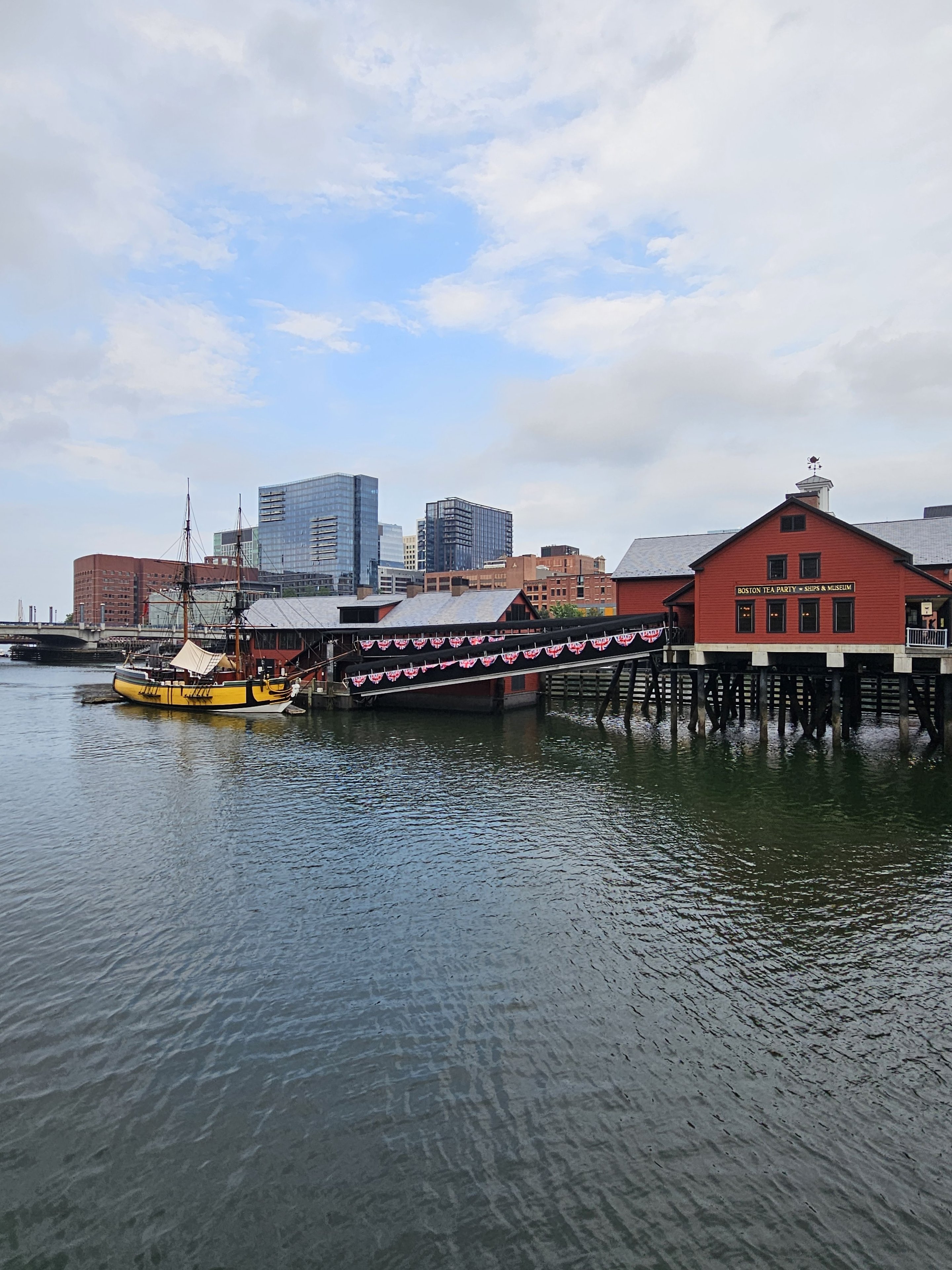
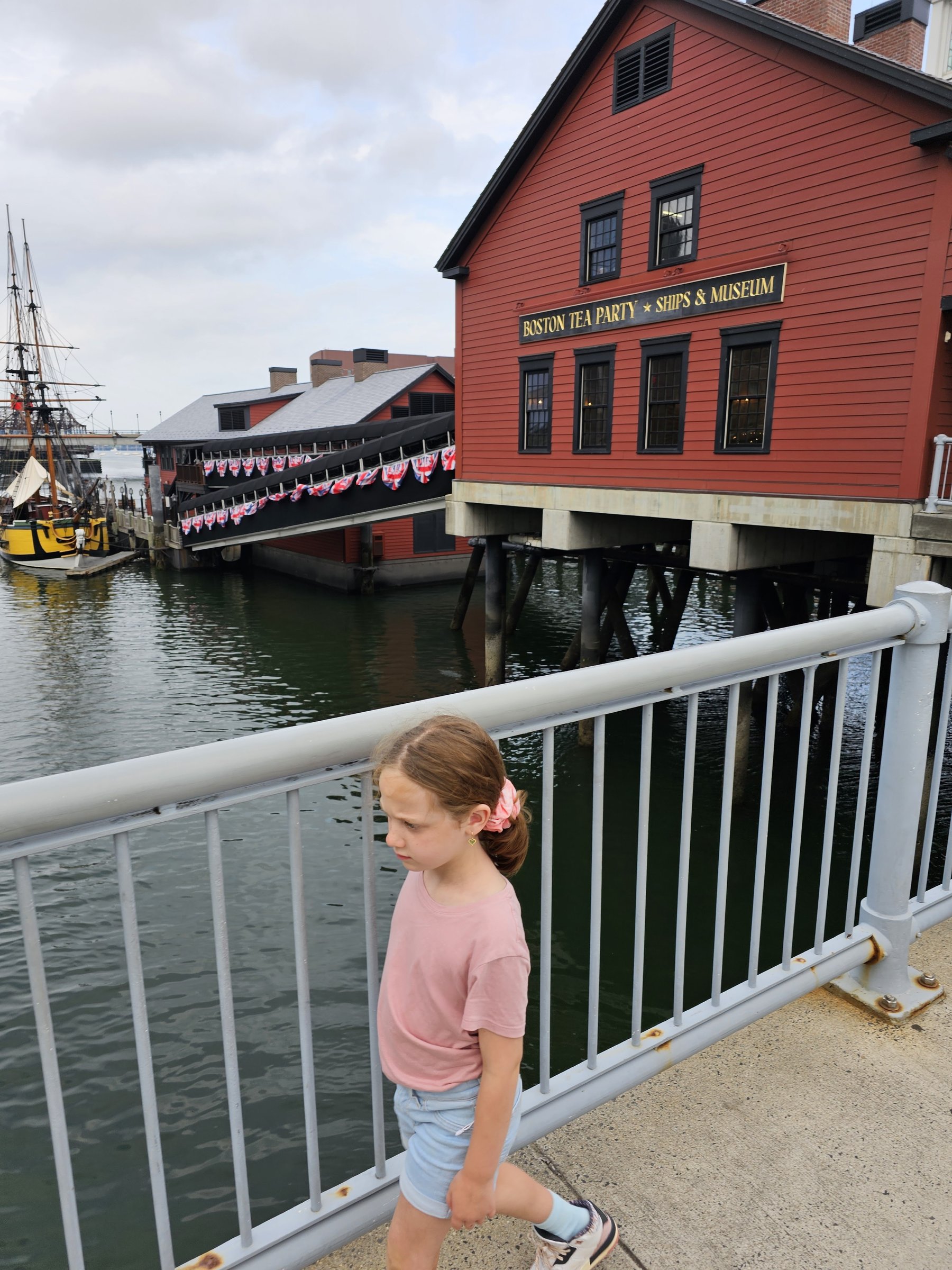
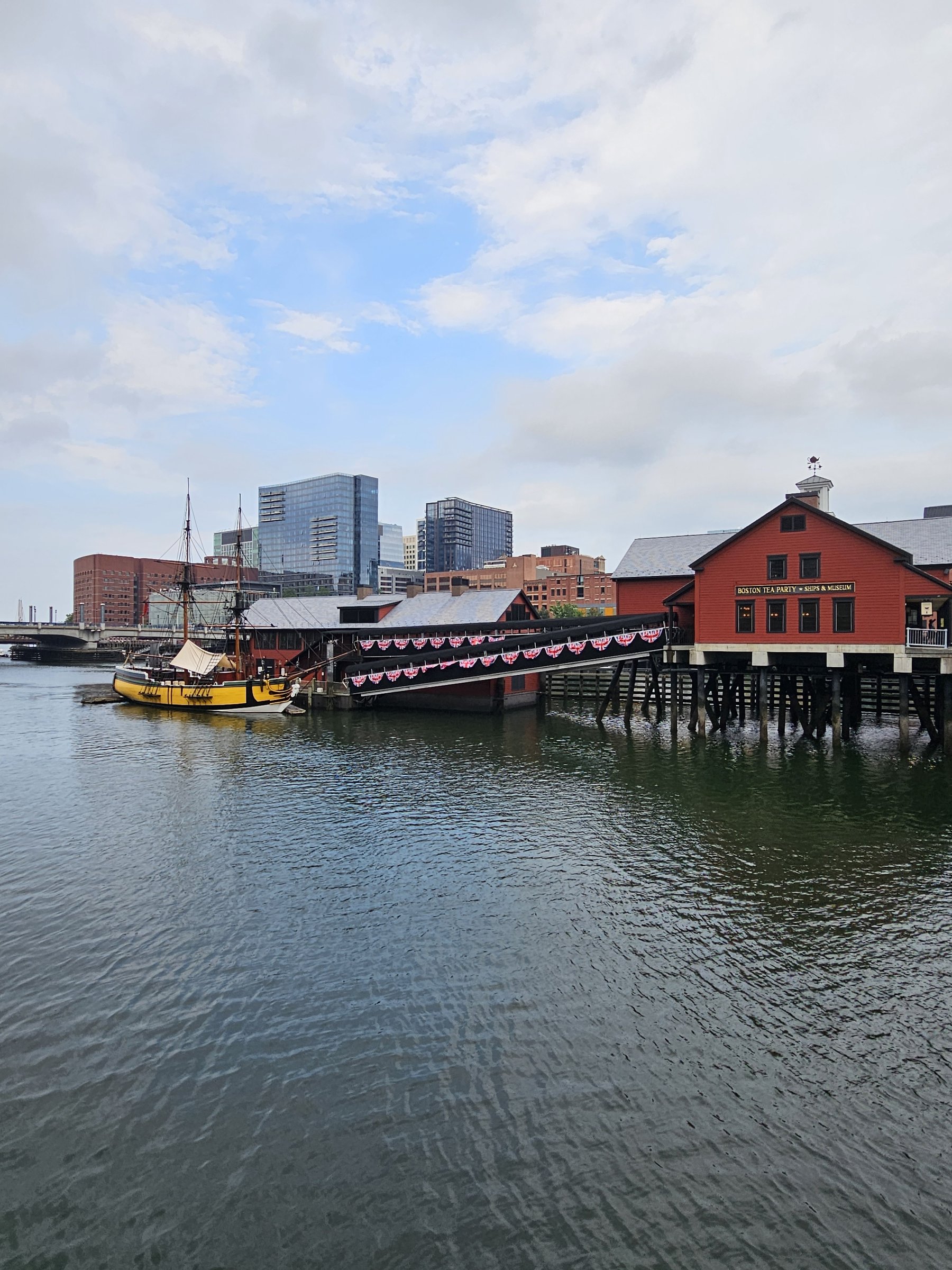
At the Boston Tea Party Ships and Museum, we boarded replicas of the Beaver and Eleanor and became part of the Tea Party ourselves, throwing our own boxes of tea into the harbor. We felt very patriotic.
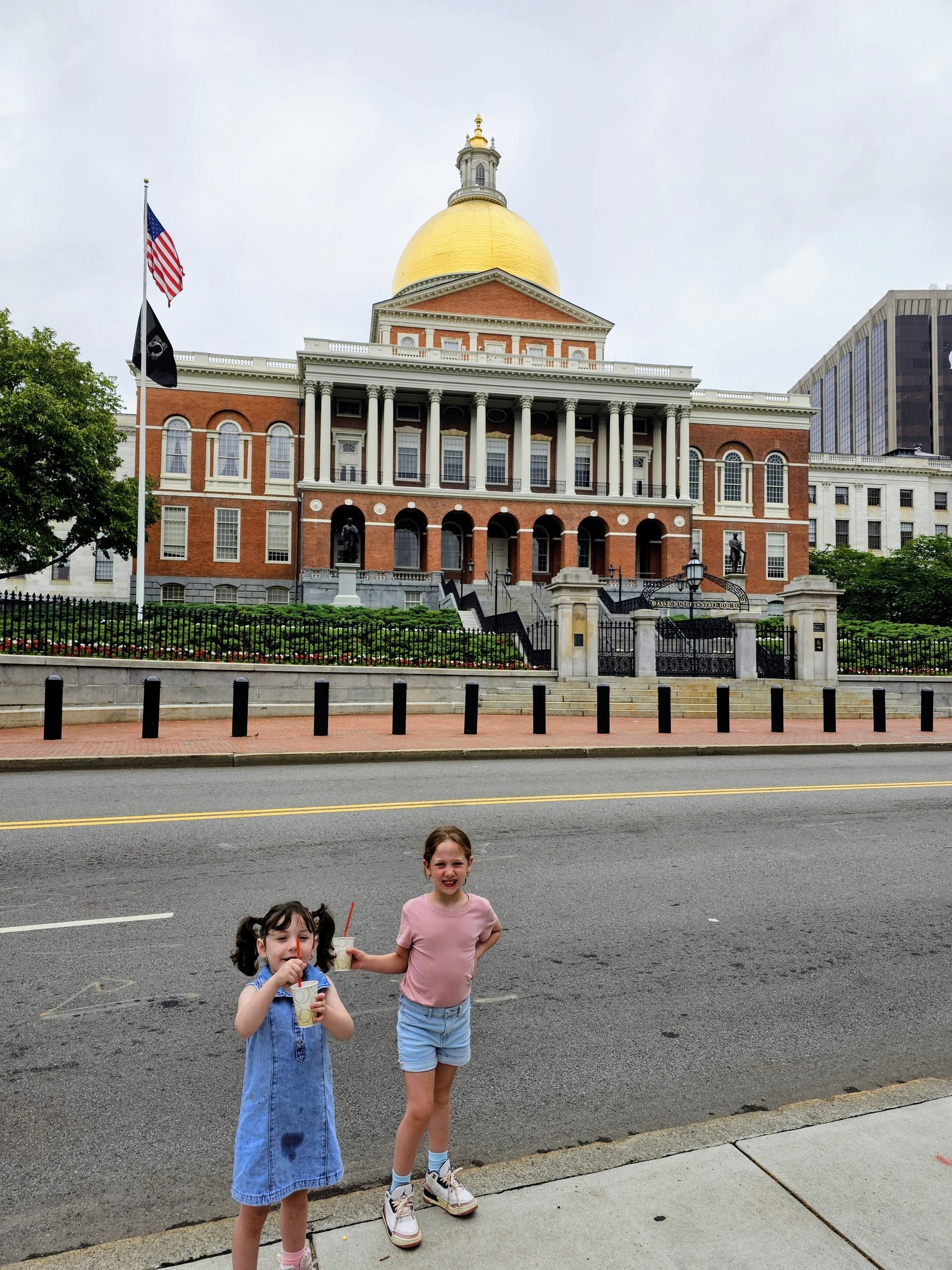
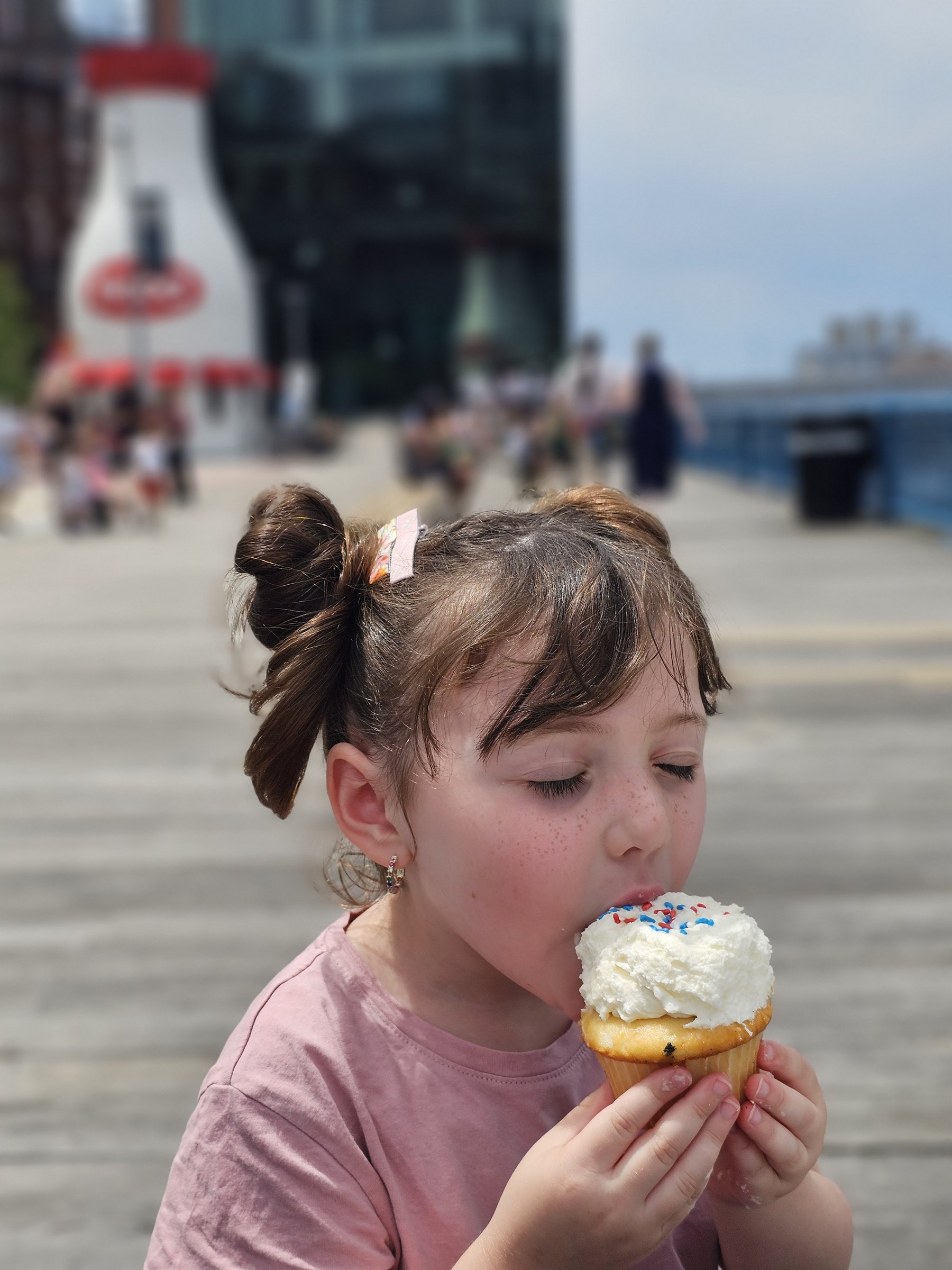
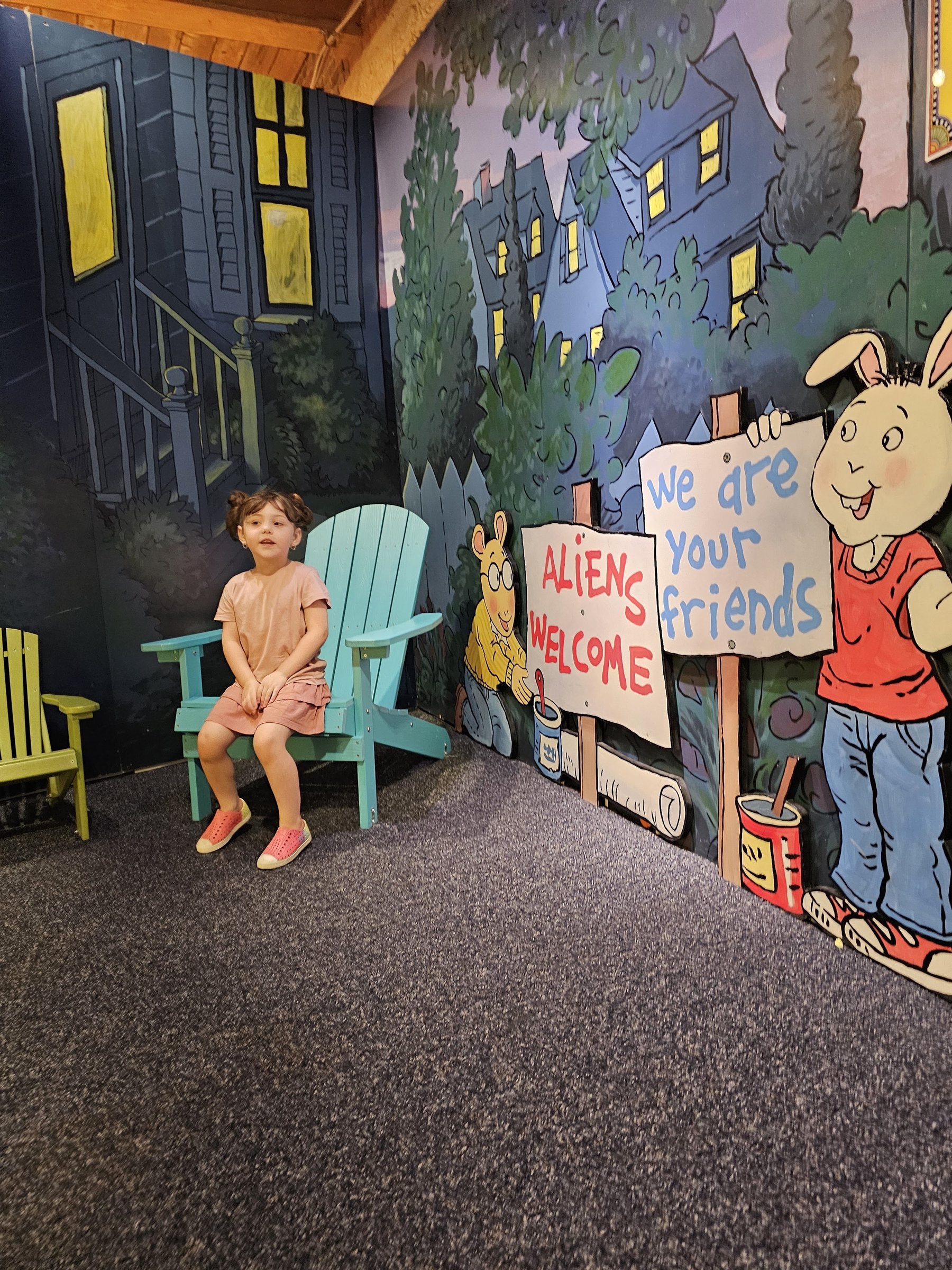
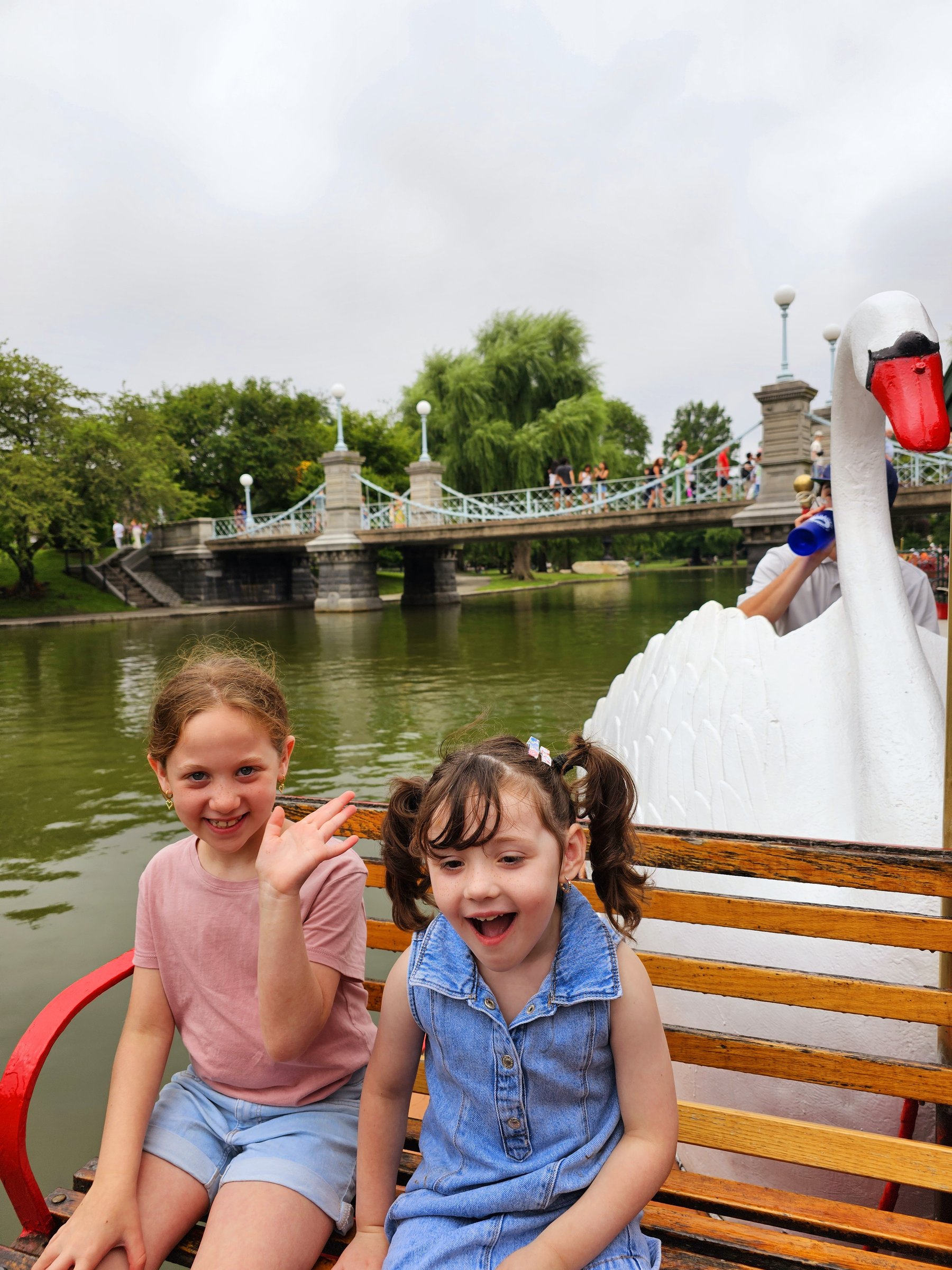
We visited the State House, with its famous golden dome overlooking Boston Common, continuing our journey through every capital in America. Nearby, we enjoyed the famous Swan Boats in the Boston Public Garden and spent a great amount of time at the Boston Children’s Museum, a rich experience with endless things for the girls to do.
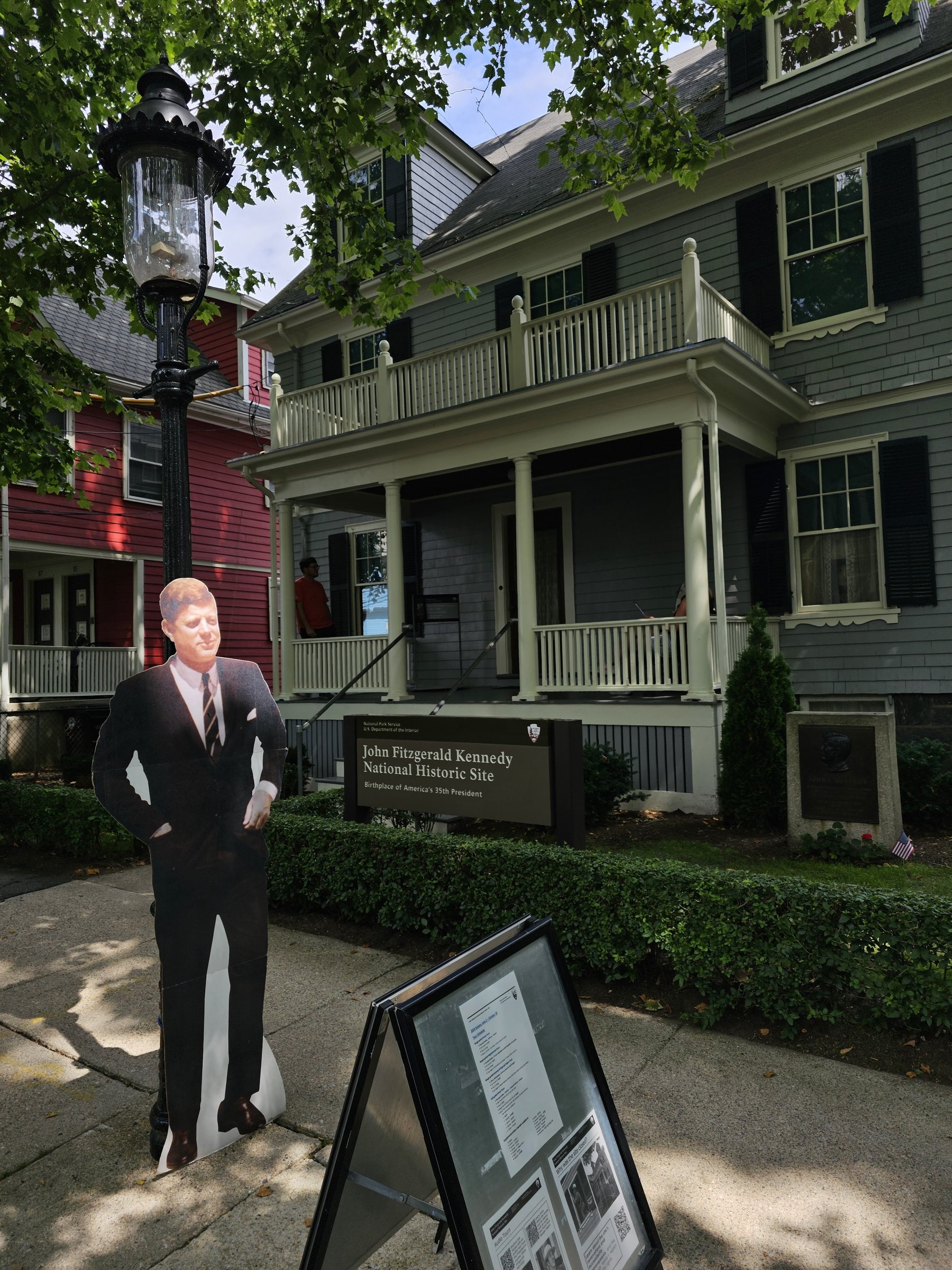
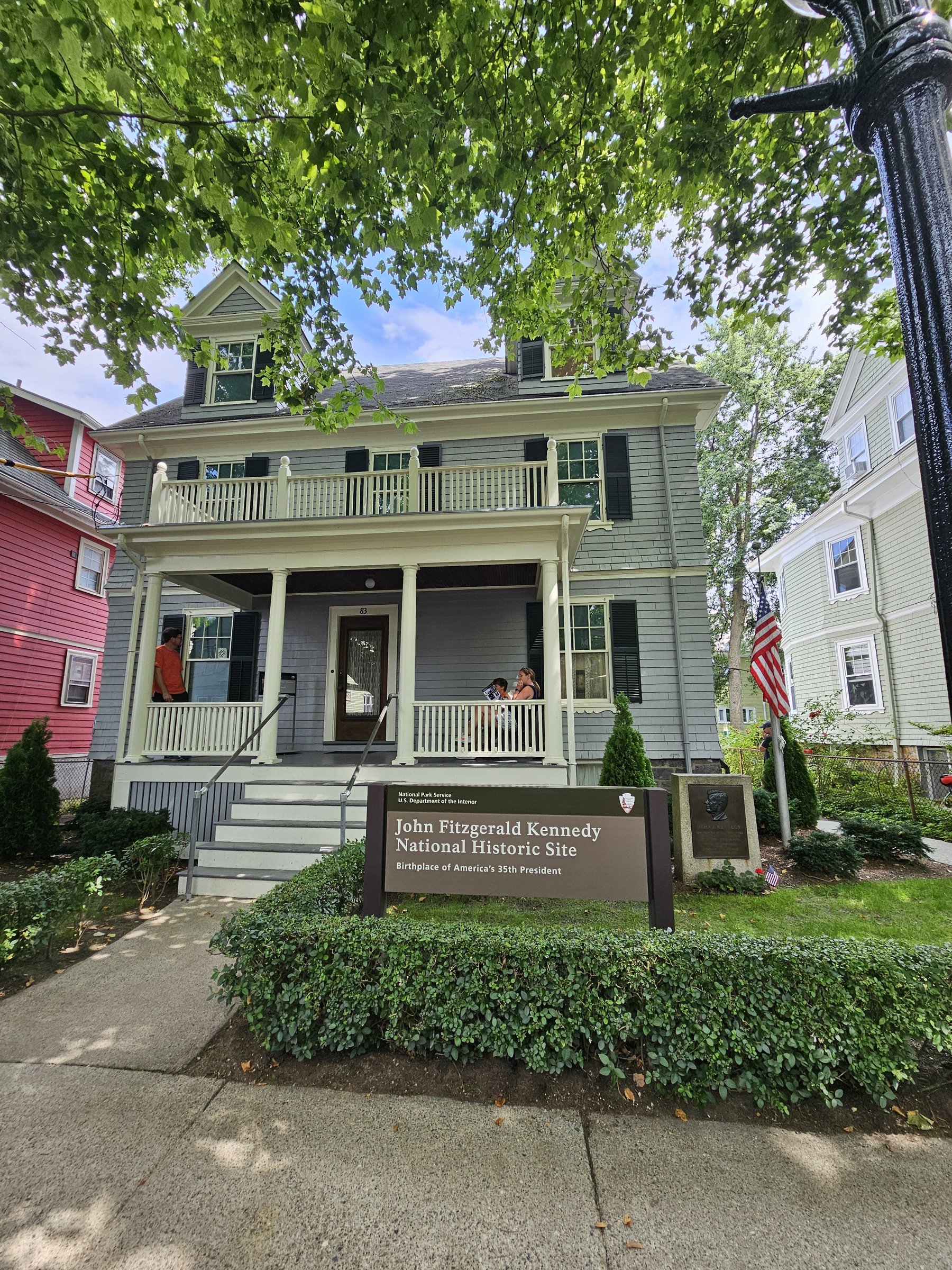
We also visited John F. Kennedy’s birthplace in Brookline, where we got a much more personal glimpse into the life of a president we had known mostly through history.
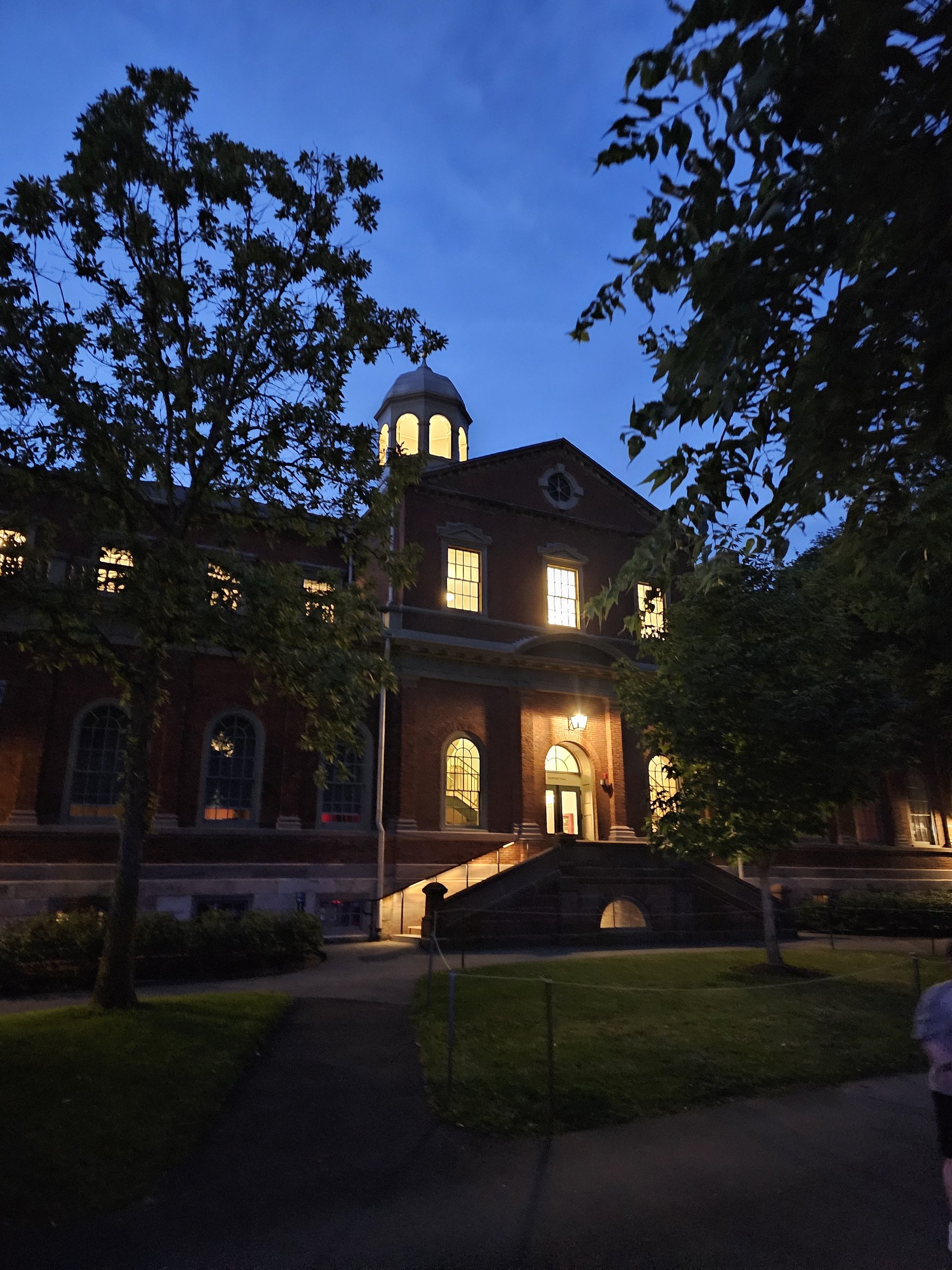
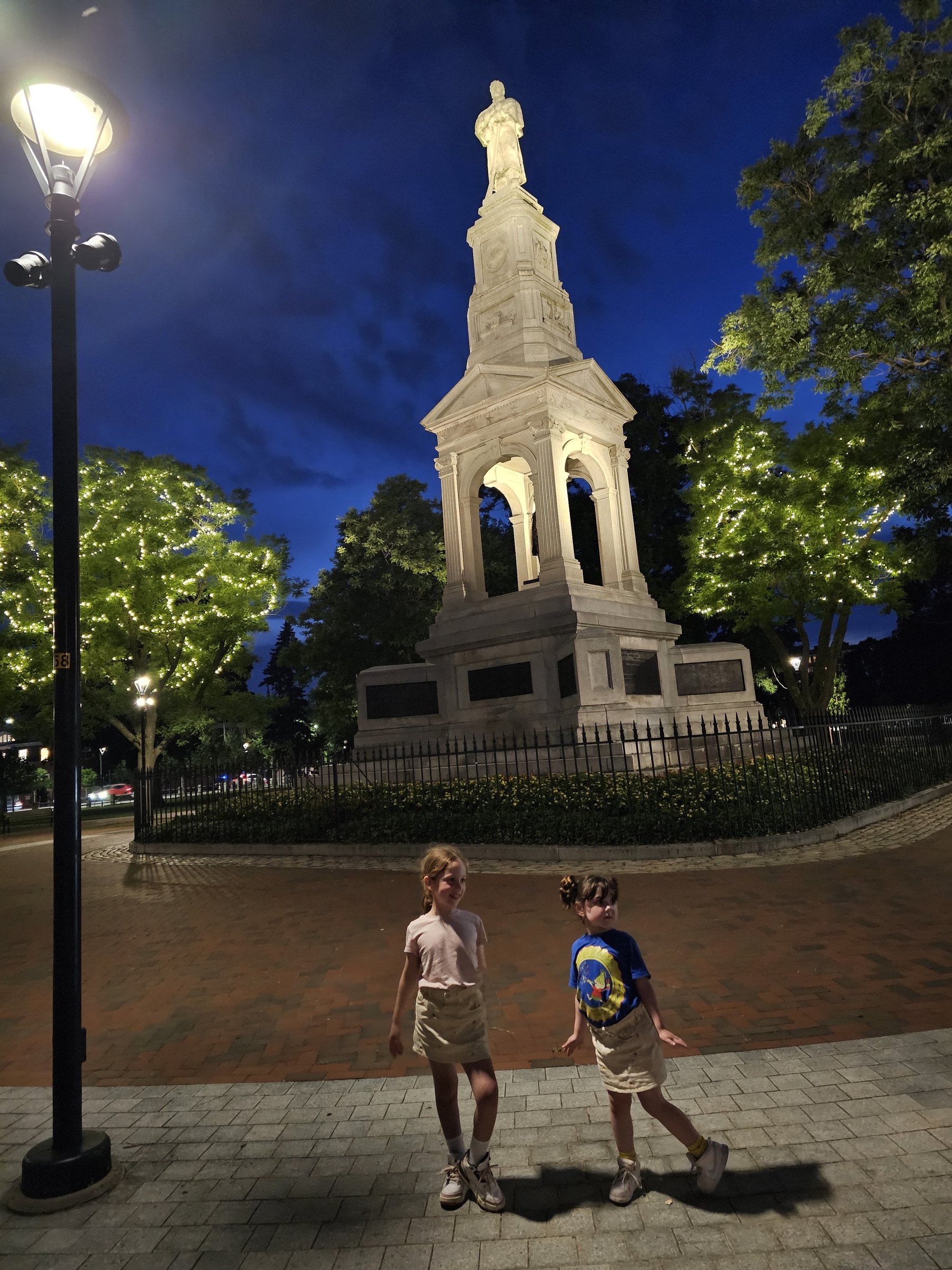
We also walked through the Harvard campus in Cambridge, surrounded by the old brick buildings, libraries, students, and history of America’s oldest university. It was another side of Massachusetts entirely, a place where so many generations of American leaders, thinkers, writers, and innovators had once walked the same grounds.
From Boston, Massachusetts kept taking us deeper into the American story. In Quincy, we visited the homes connected to John Adams and even met a costumed John Adams, whom the girls got to question about his life and history firsthand.
Salem brought us into another chapter entirely. Its beautiful historic streets carry the much darker memory of the witch trials and what can happen when fear takes over a community.
Massachusetts felt like a state where history was never safely locked away inside a museum.
It was under our feet.
Jewish Massachusetts
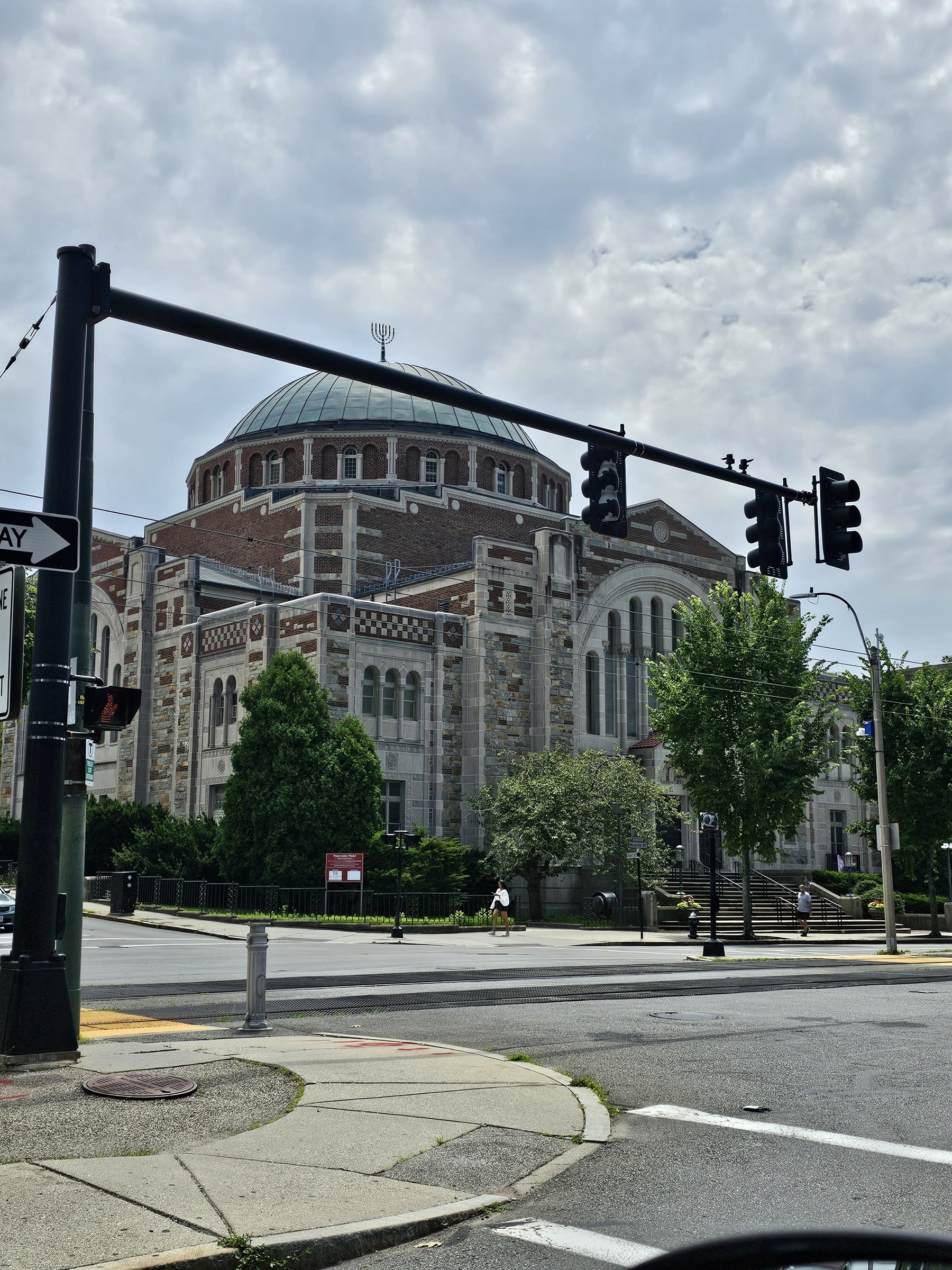
In Boston, we visited several synagogues, including the Beth Pinchas Chassidic Center, and got a glimpse of the vibrant Jewish life spread throughout the area. We ate at various kosher establishments, with one of our favorites being Pure Cold Press, where we had some really good food and fresh juices.
But one of my favorite Jewish American stops came in Quincy, and it had nothing to do with a synagogue.
We visited the original Dunkin location. The company was founded by Velvel (William) Rosenberg, born to Jewish immigrant parents, who began with a small coffee and doughnut business and turned it into one of the most recognizable American brands. Standing there beneath his portrait, we paid tribute to the man behind a chain that eventually became part of everyday American culture.
Massachusetts also has deep Jewish roots. Temple Ohabei Shalom was founded in 1842 and remains the oldest active Jewish congregation in the state. From those early beginnings, Jewish life spread throughout Boston, Brookline, Newton, Brighton, Cambridge, Worcester, and communities across Massachusetts.
Today, Greater Boston is home to synagogues, yeshivos, kollelim, kosher restaurants, universities, and Jewish institutions representing almost every corner of Jewish life.
In Massachusetts, Jewish history felt much like the rest of the state’s history.
You did not have to look very far before finding it.
What Stayed With Me
What stayed with me about Massachusetts was how close the beginning of America suddenly felt.
We spend our lives hearing names like Boston, Paul Revere, John Adams, and the Revolution. They become almost abstract because we know them so well.
Then you actually walk the streets.
You stand where people argued about independence, walk through the homes where they raised their families, and see the places where decisions were made that eventually shaped an entire country.
Massachusetts reminded me that history does not begin as history.
At one point, it was simply people standing on these same streets, trying to figure out what came next.
Have a story, an idea, or a reason to connect?
For editorial inquiries, media, speaking, collaborations, historical research, or simply a story you think I should know I'd be glad to hear from you.
Contact Dov