Alabama
Where the promise “all men are created equal” came late.
Montgomery · Selma · Birmingham · Tuscumbia · Huntsville


The Journey
Alabama felt like several American stories laid on top of one another.
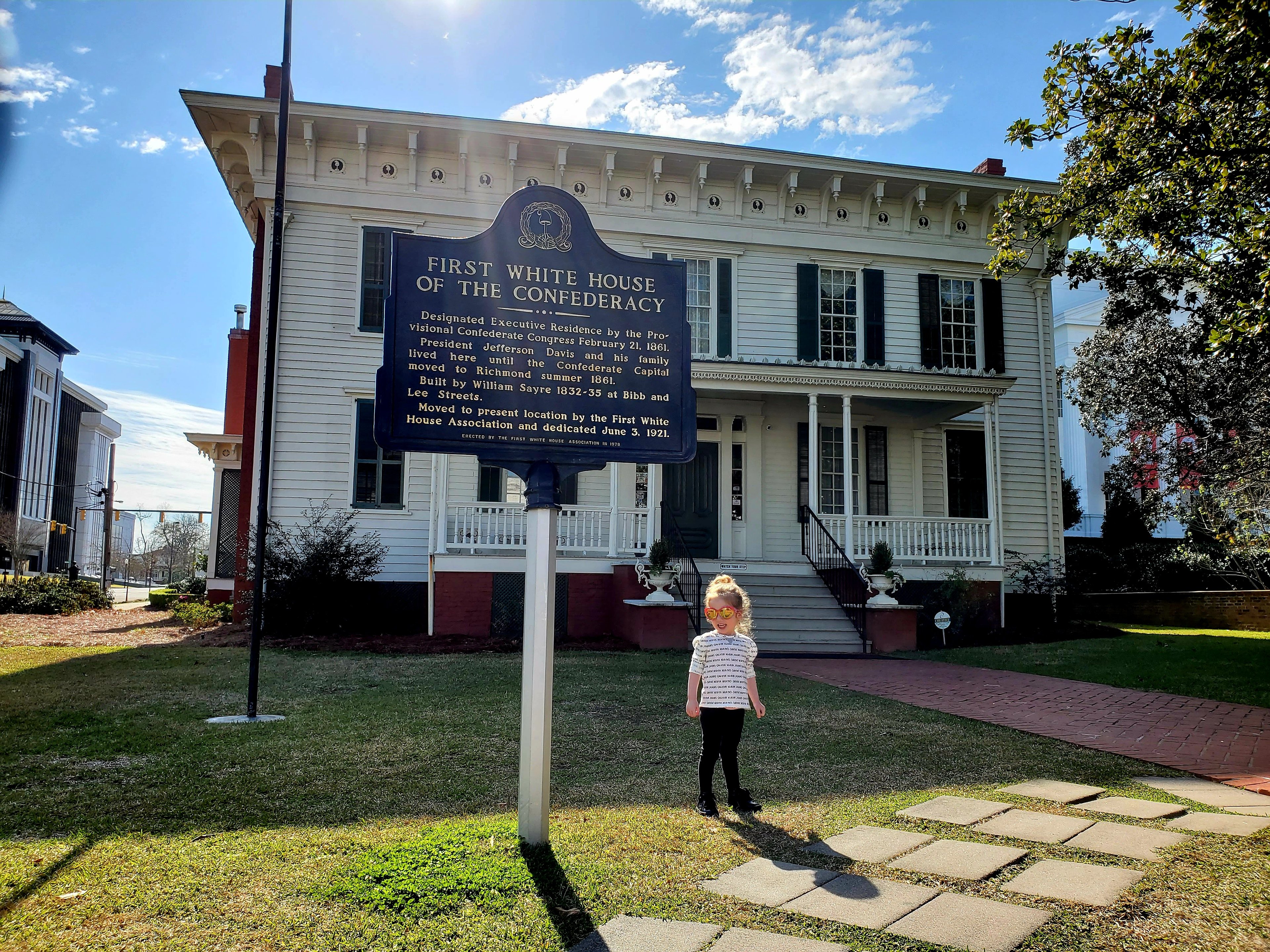
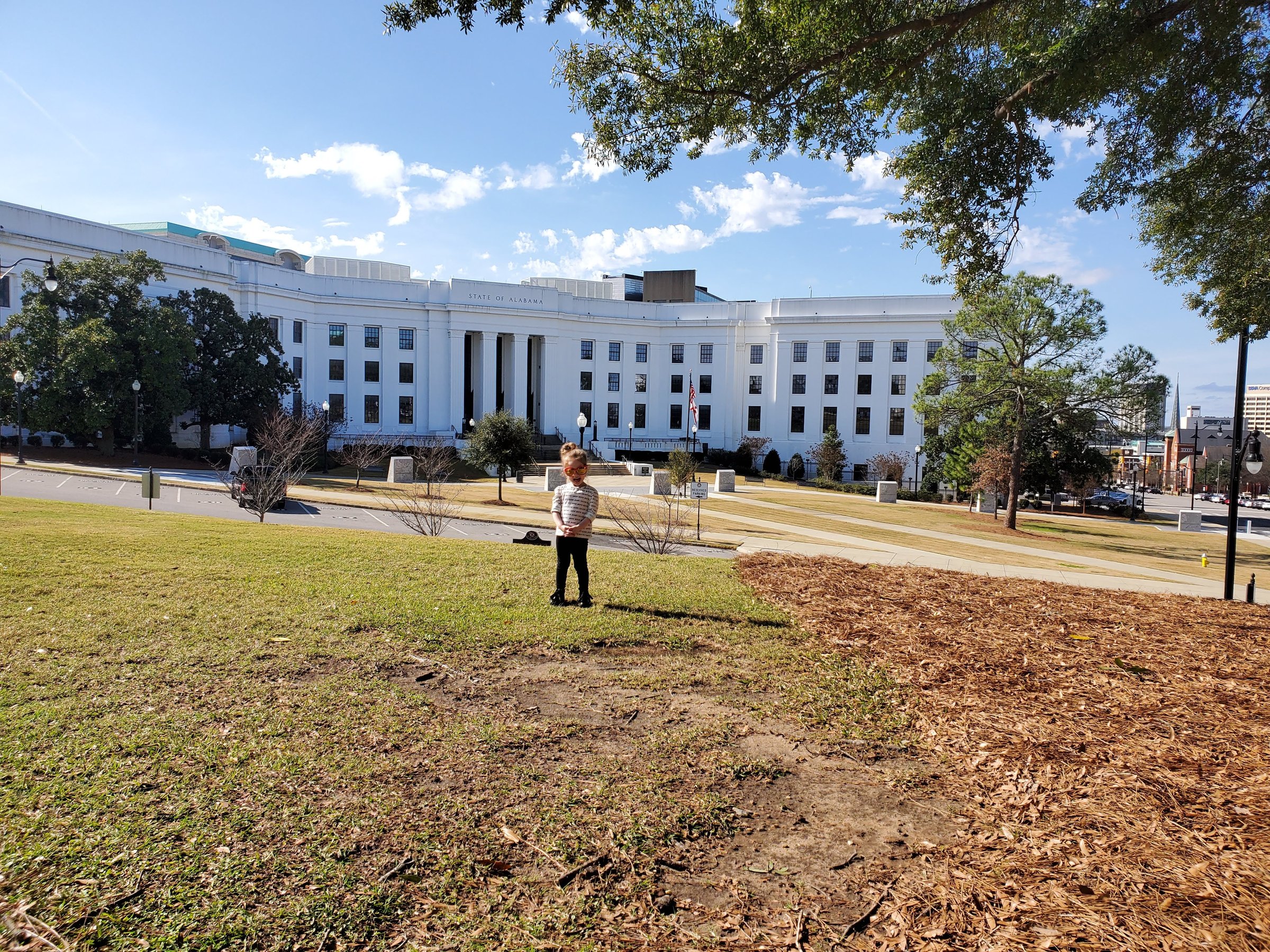
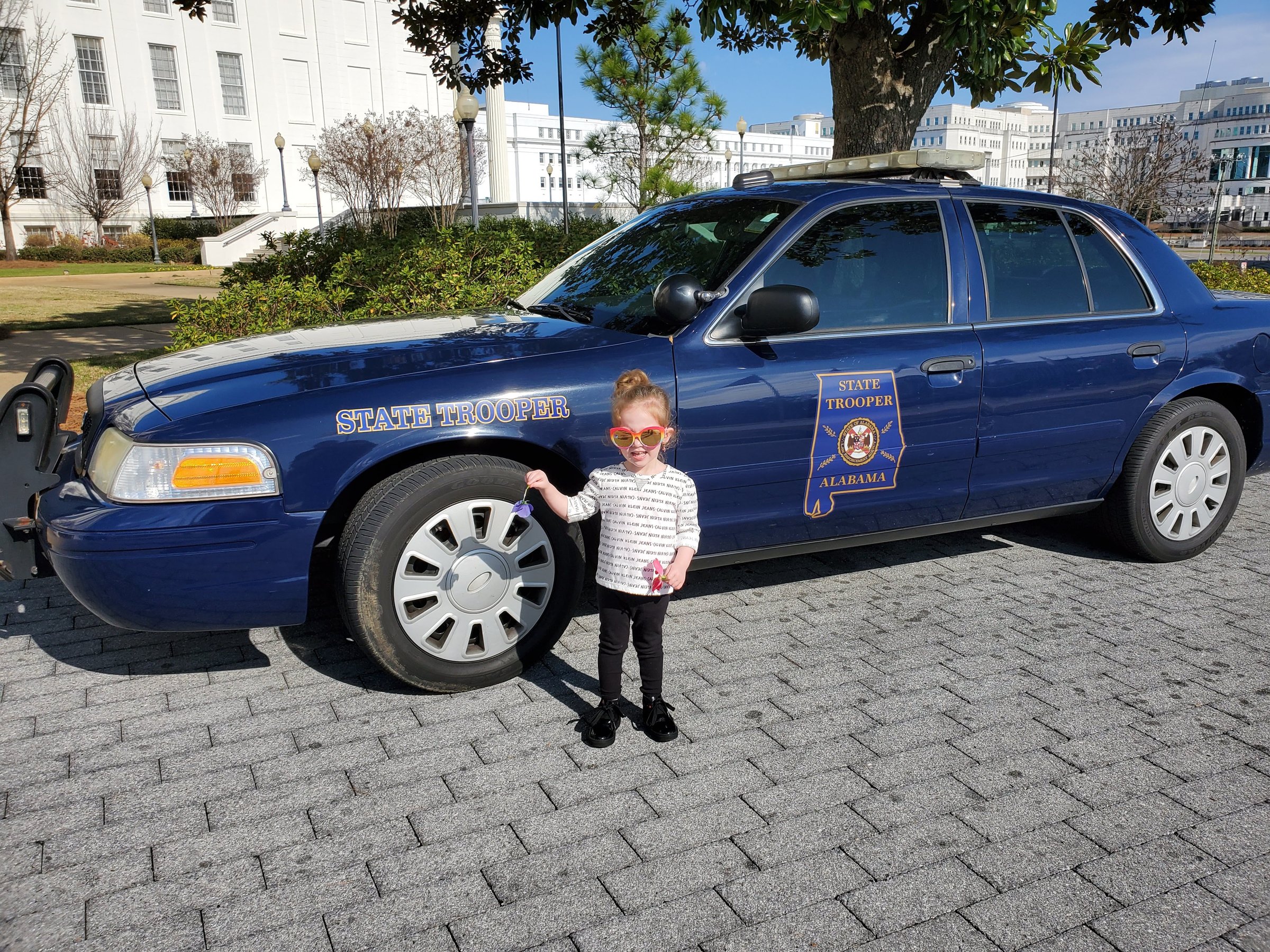
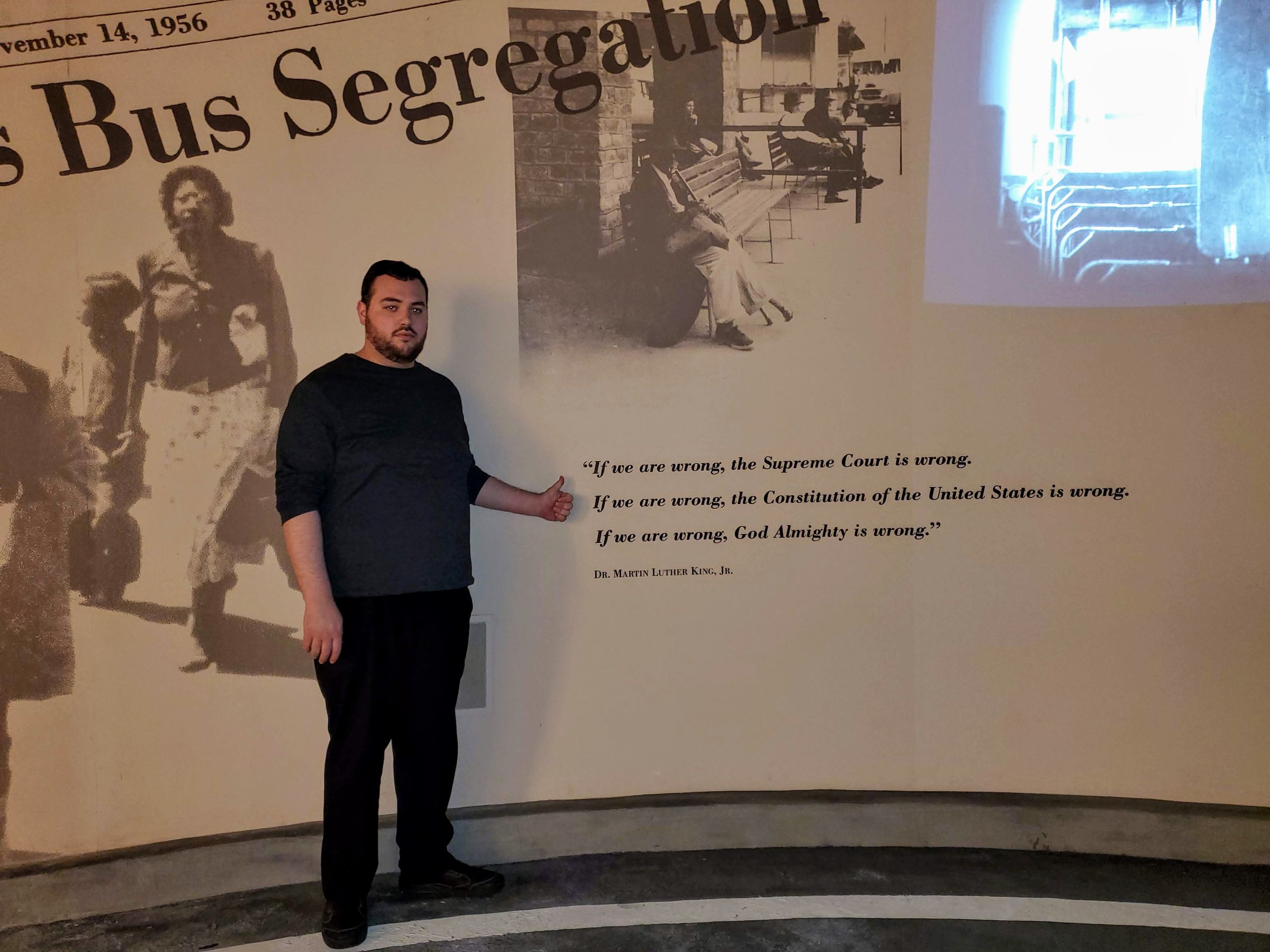
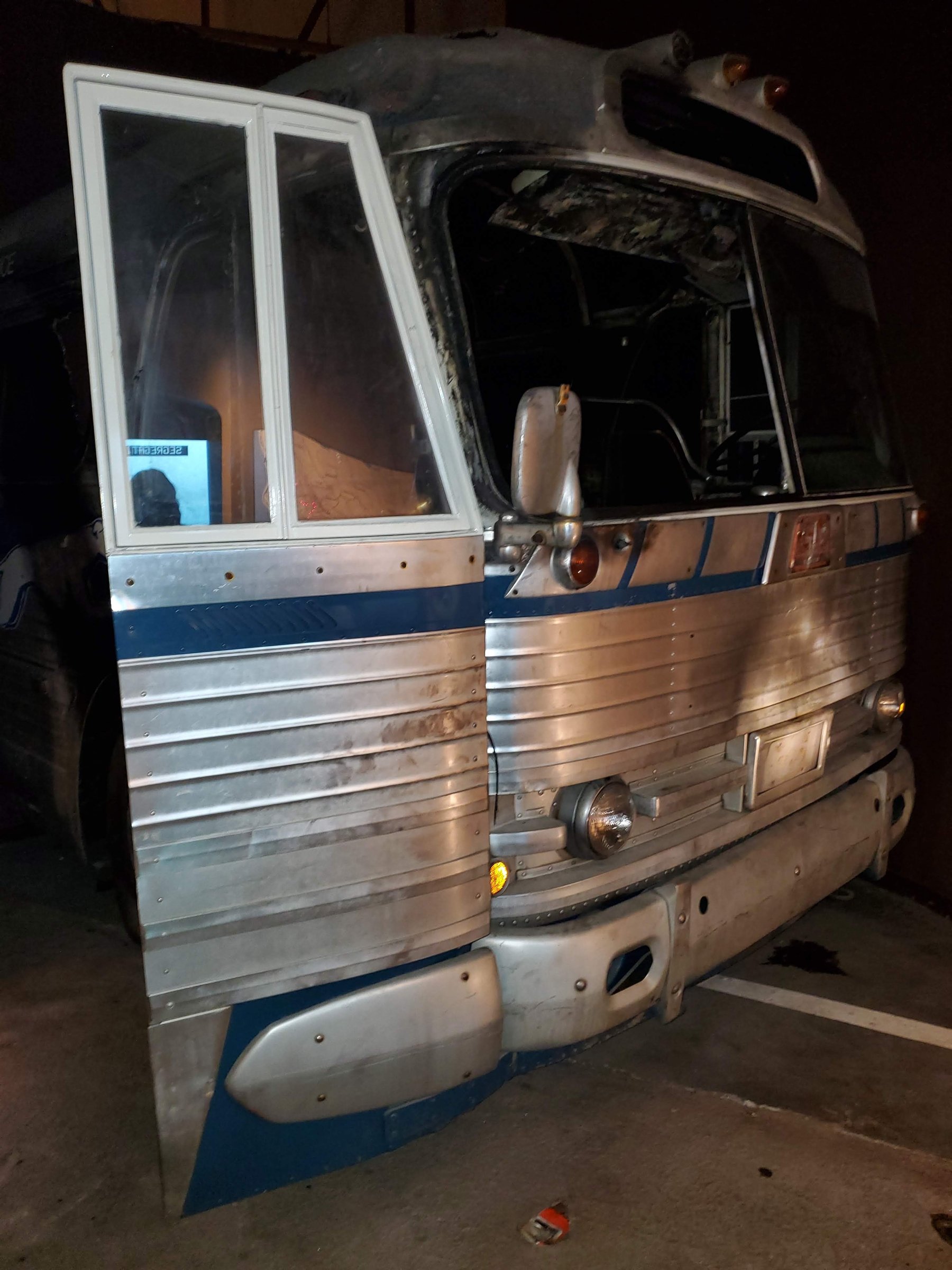
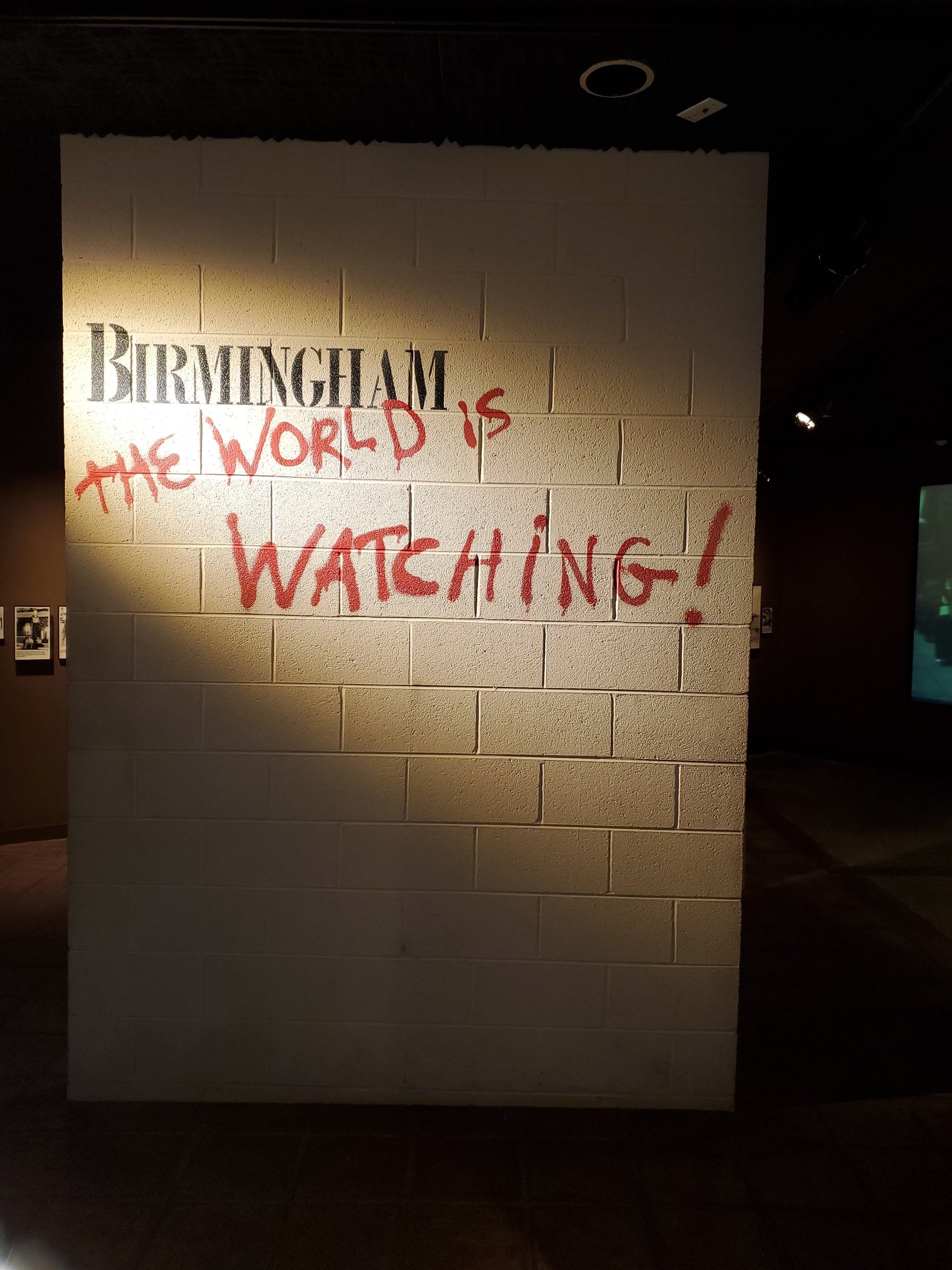
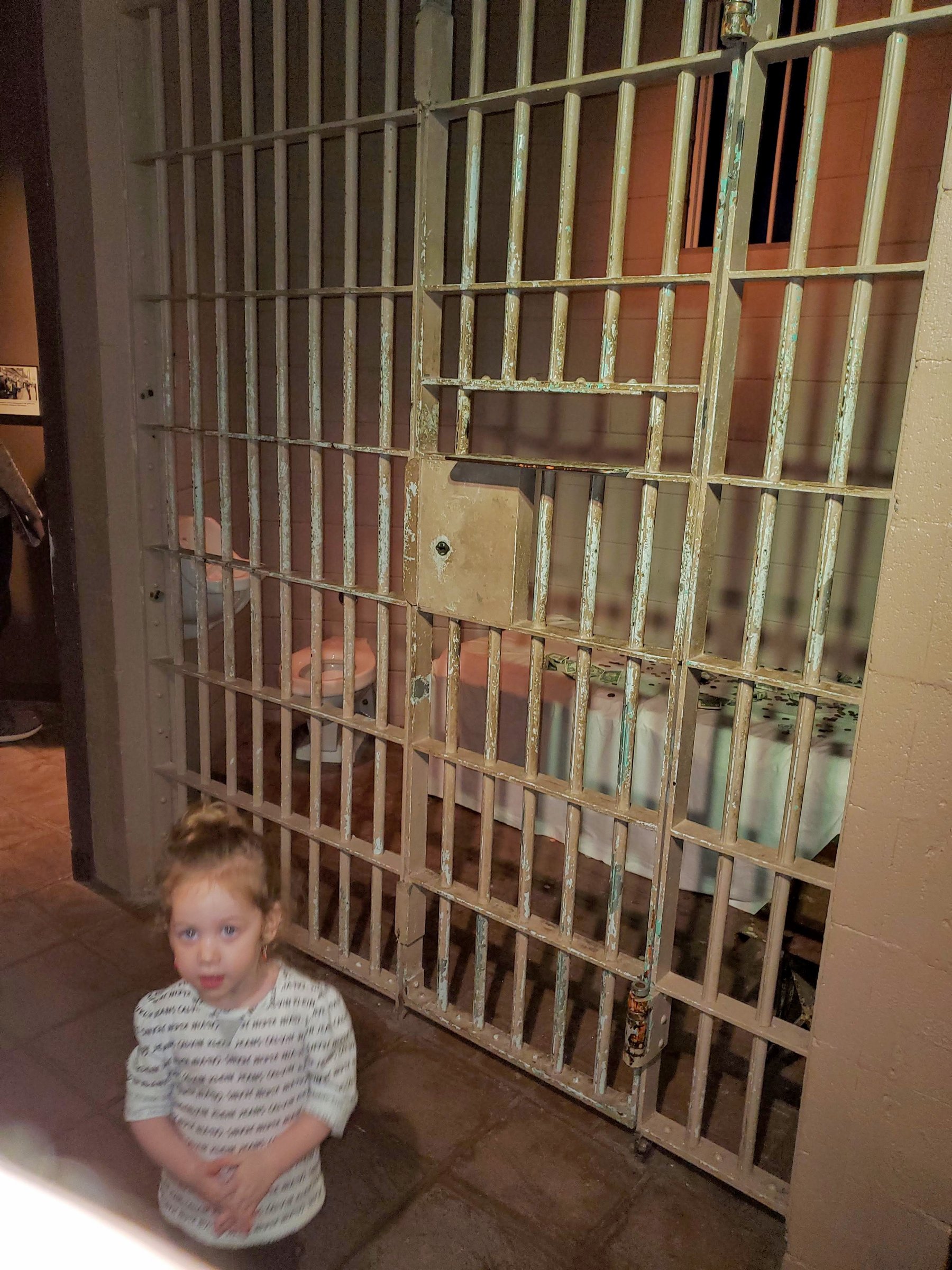
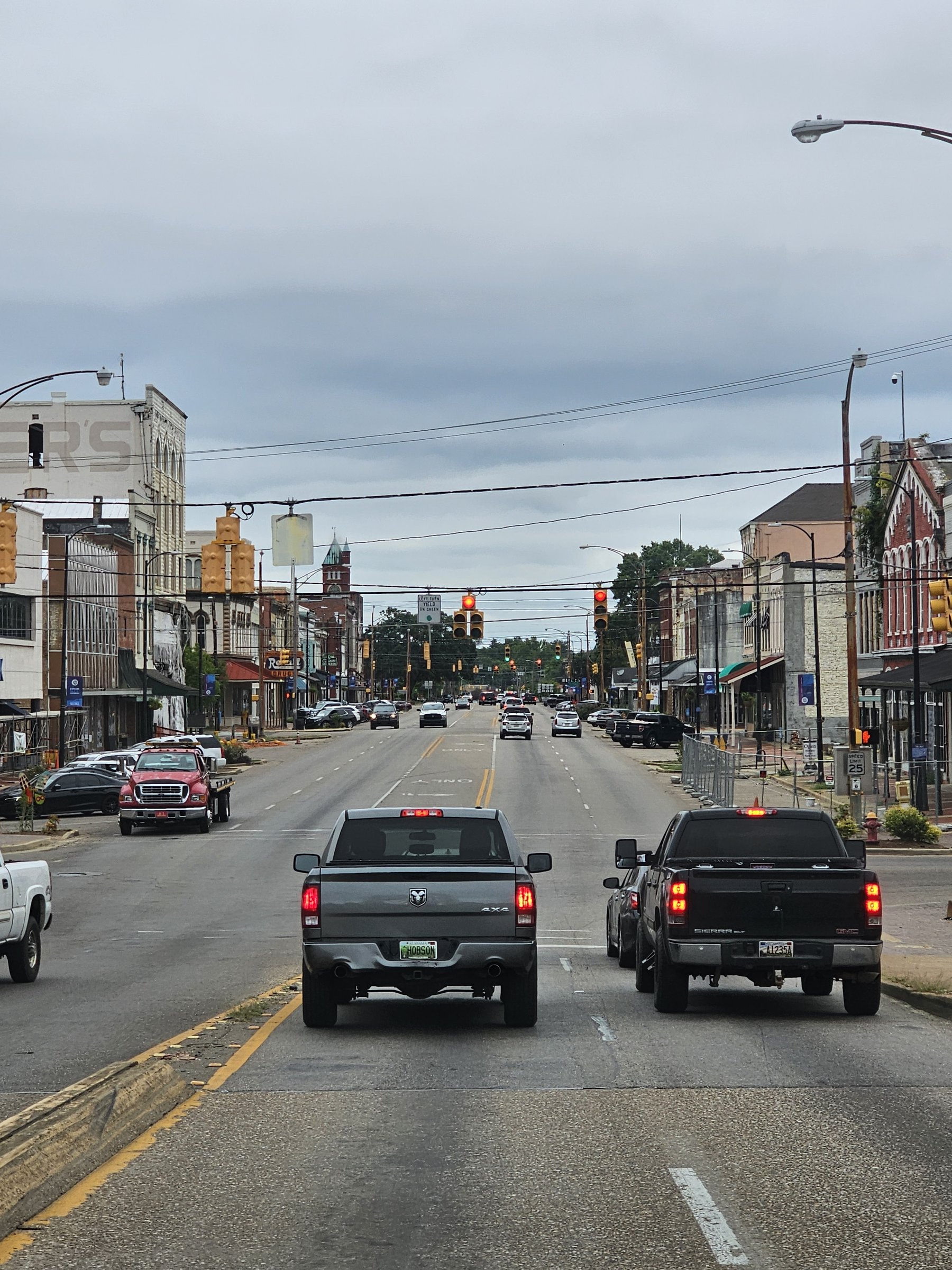
In Montgomery, visiting the State Capitol and the First White House of the Confederacy made us feel inside the history of secession and the Civil War. In Birmingham, standing at the prison cell of Dr. Martin Luther King Jr., where he wrote the words, “Injustice anywhere is a threat to justice everywhere,” standing at the 16th Street Baptist Church, where four young girls were murdered because of the color of their skin, and walking the streets of Selma brought the civil rights story from our minds into our hearts. It confronted us with another chapter of the American struggle: who belonged, who was excluded, and how the country fought over the meaning of its original promise.
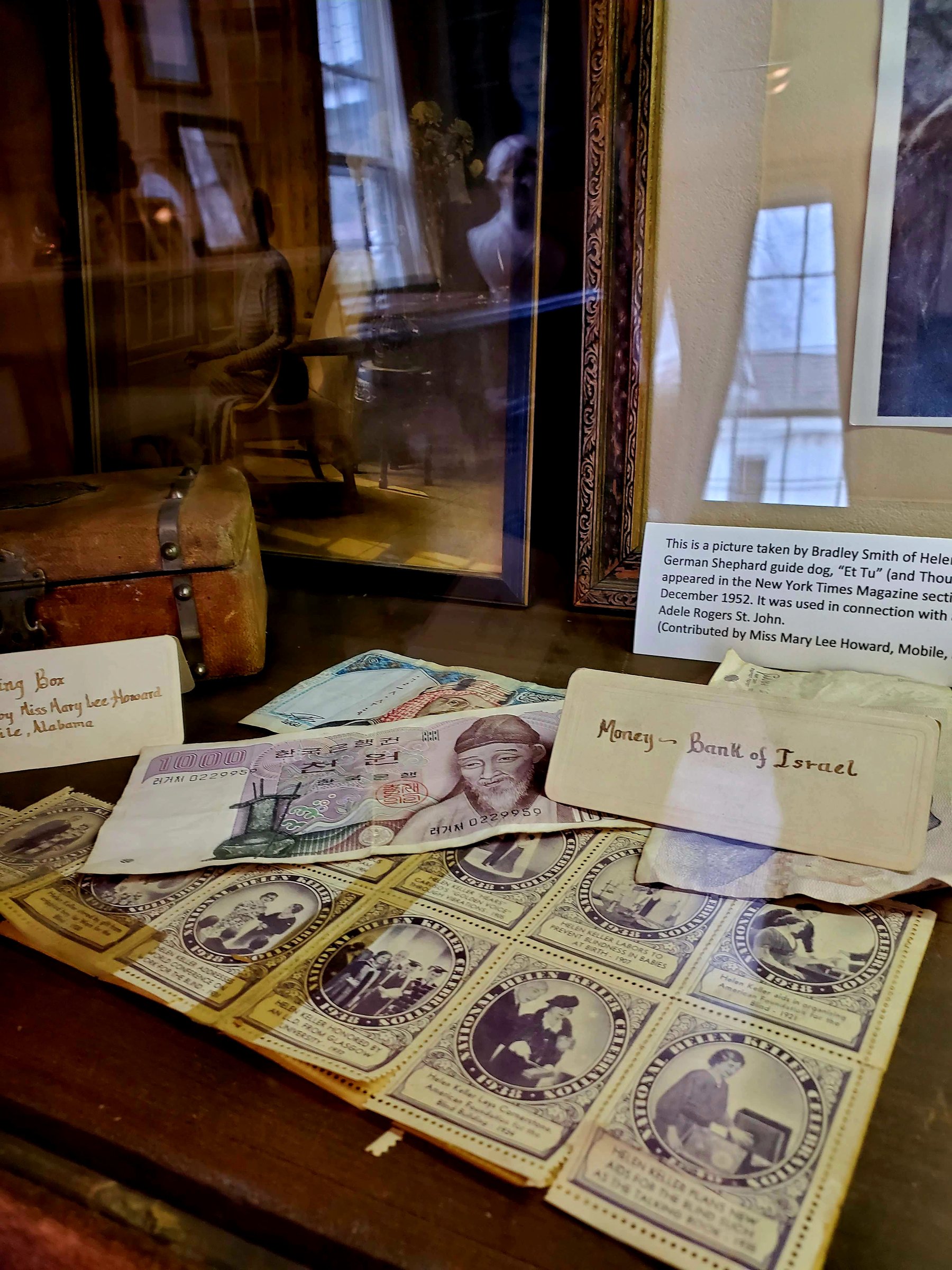
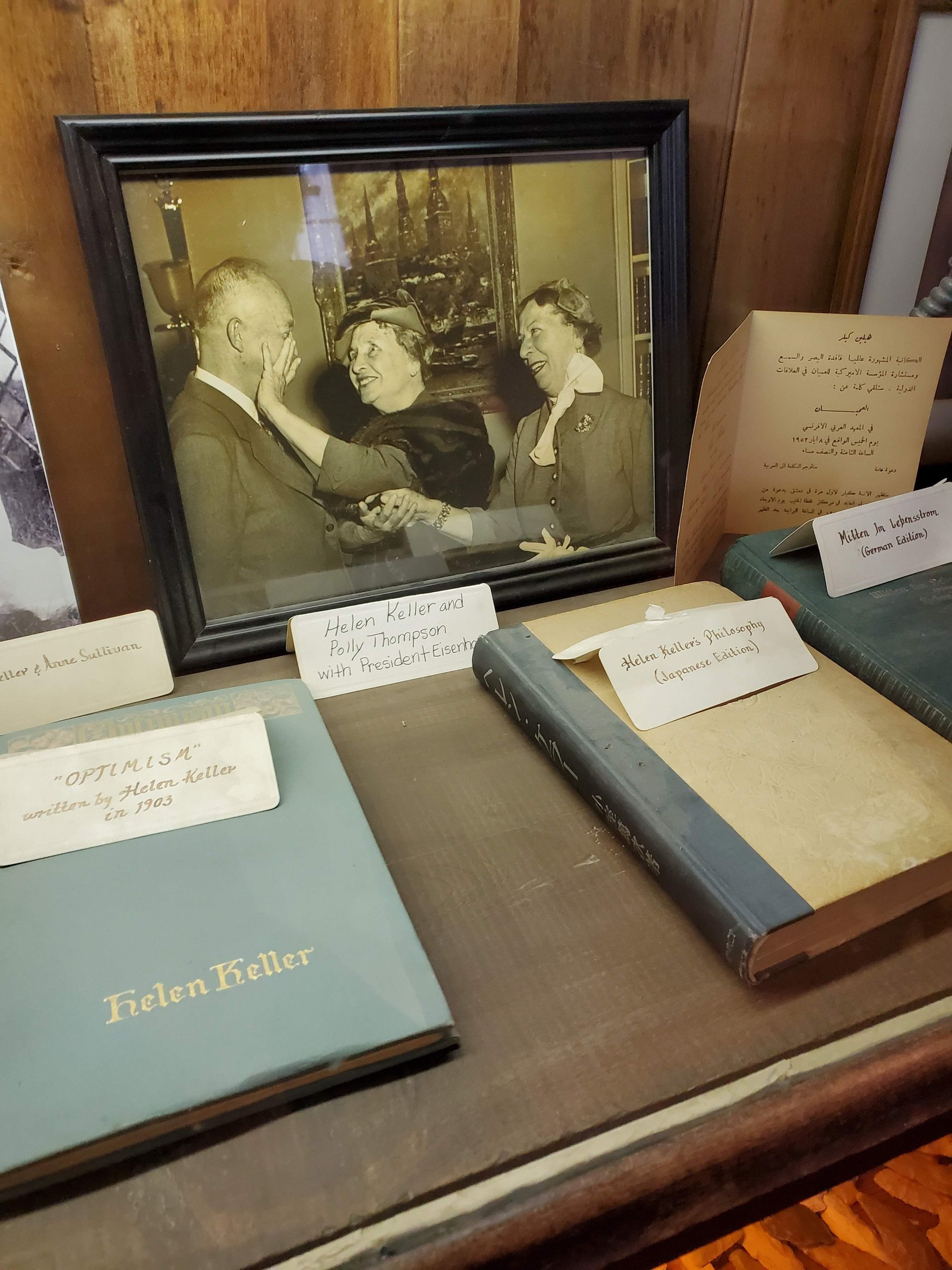
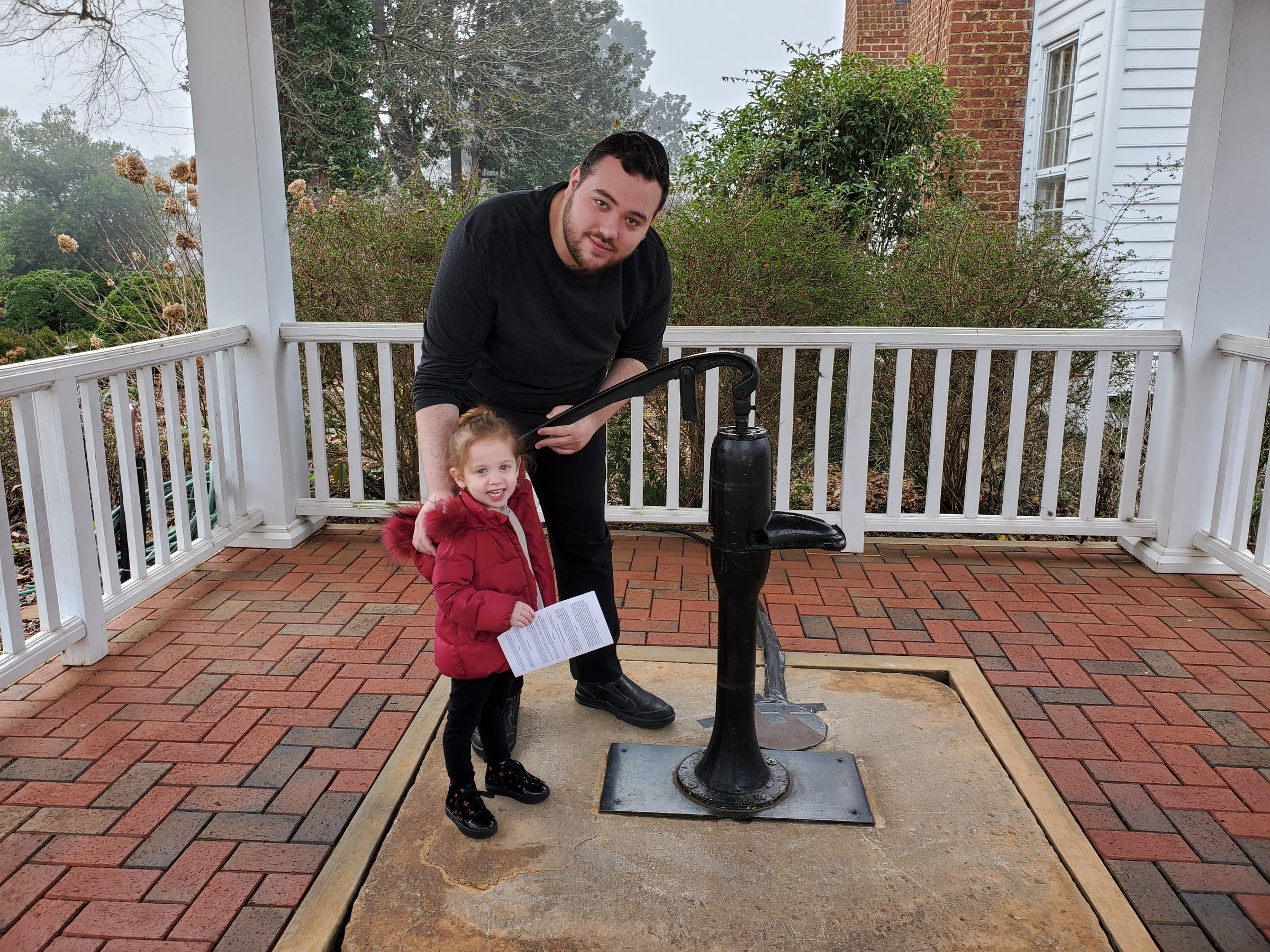
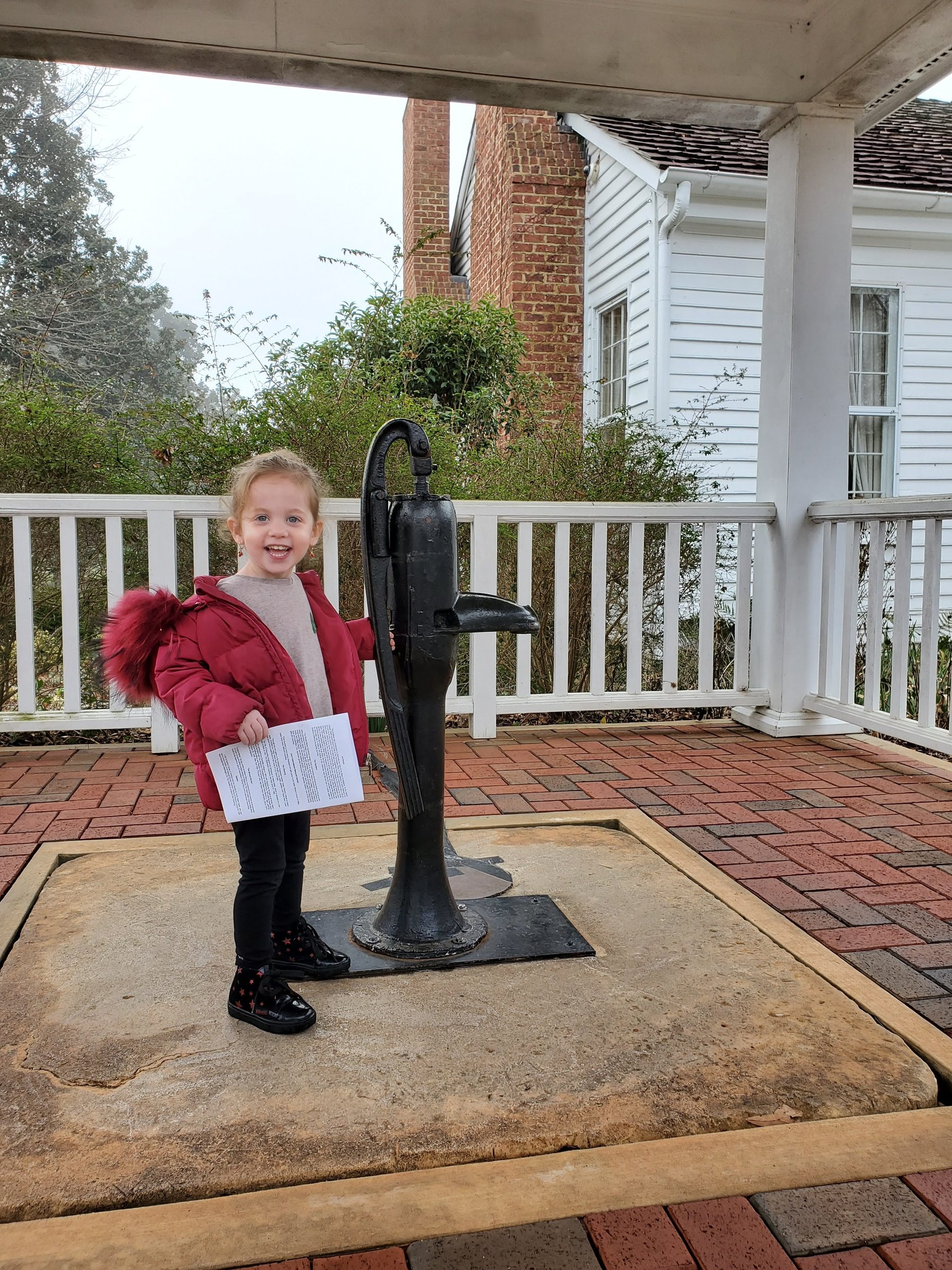
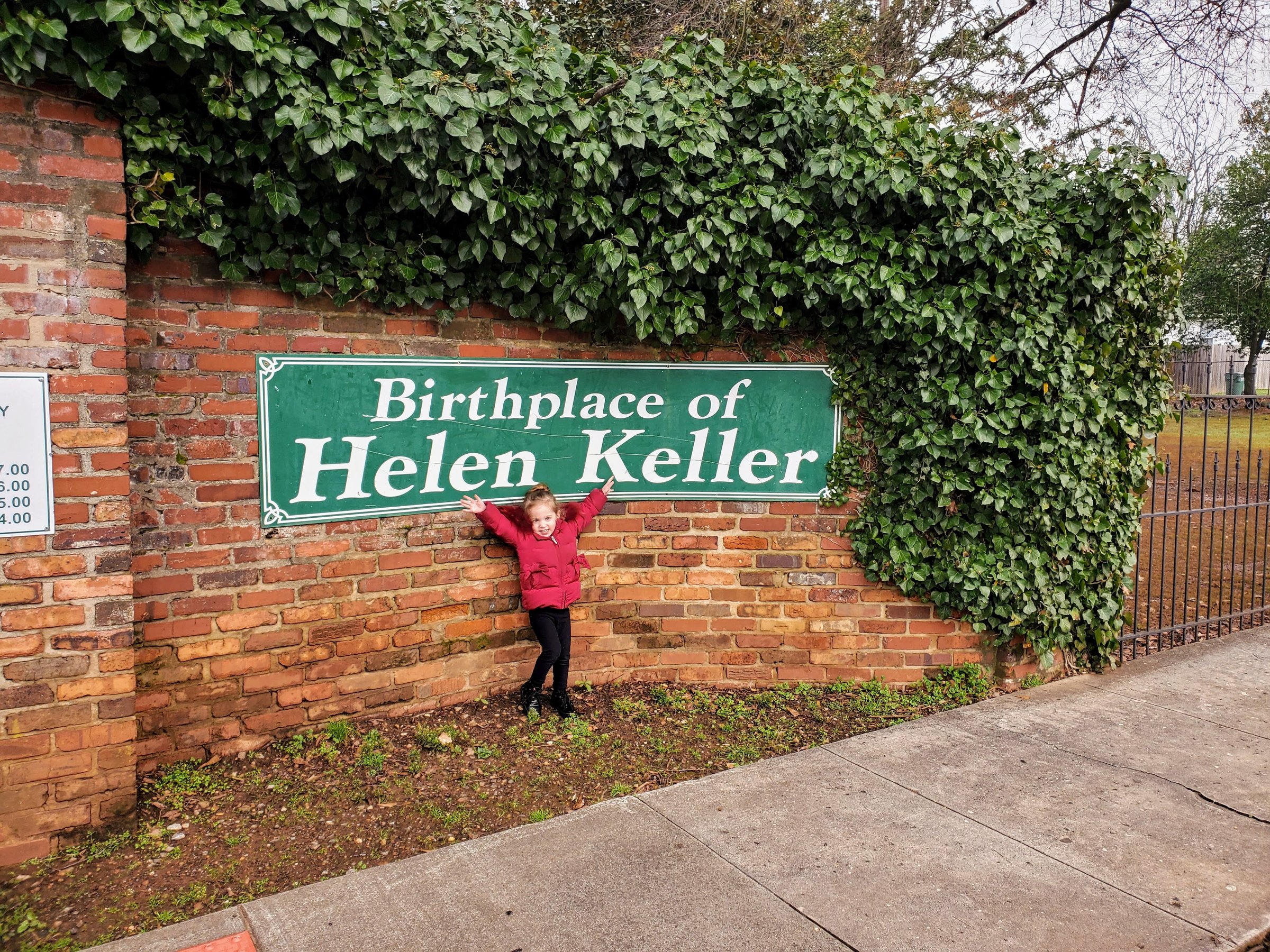
Tuscumbia took us into the world of Helen Keller. We walked through her childhood home, stood at the pump where she first connected the word “water” with its meaning, and learned much about her world.
Then there was Huntsville, an Alabama looking toward rockets, science, and space, a place where America brought former Nazi scientists like Wernher von Braun to advance its own Cold War agenda.
Few states compressed so many different chapters of America into a single journey.

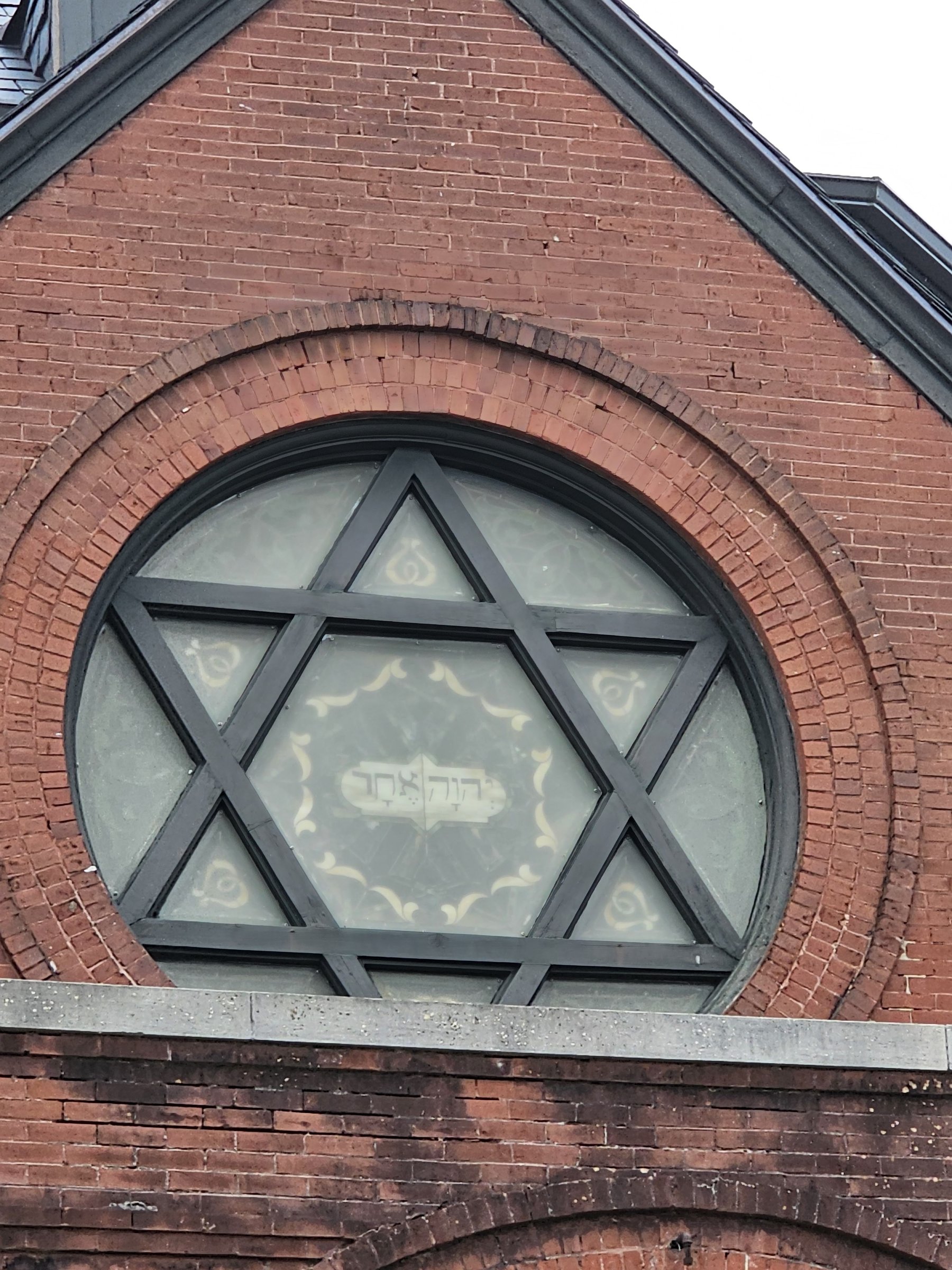
Jewish Alabama
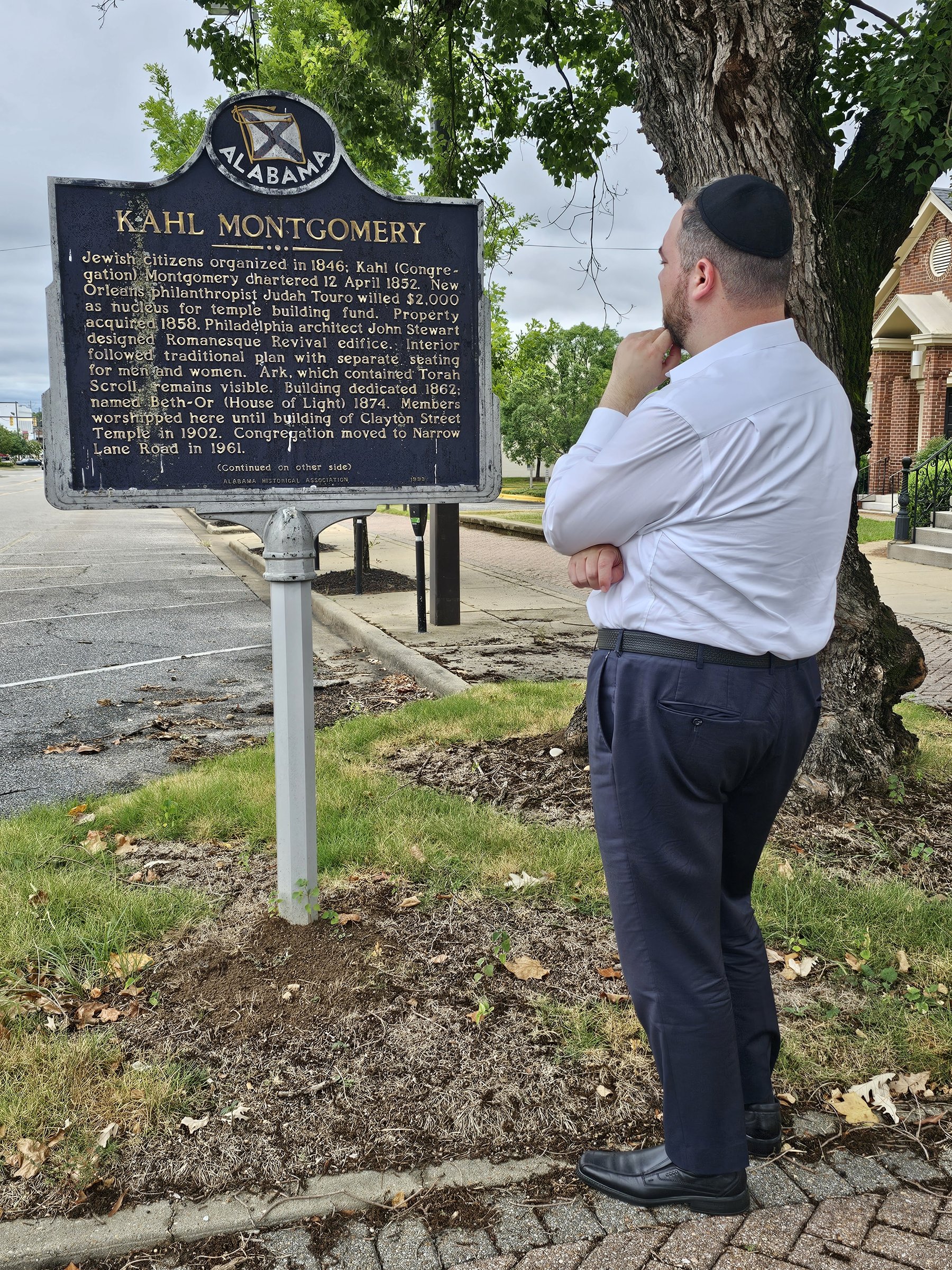
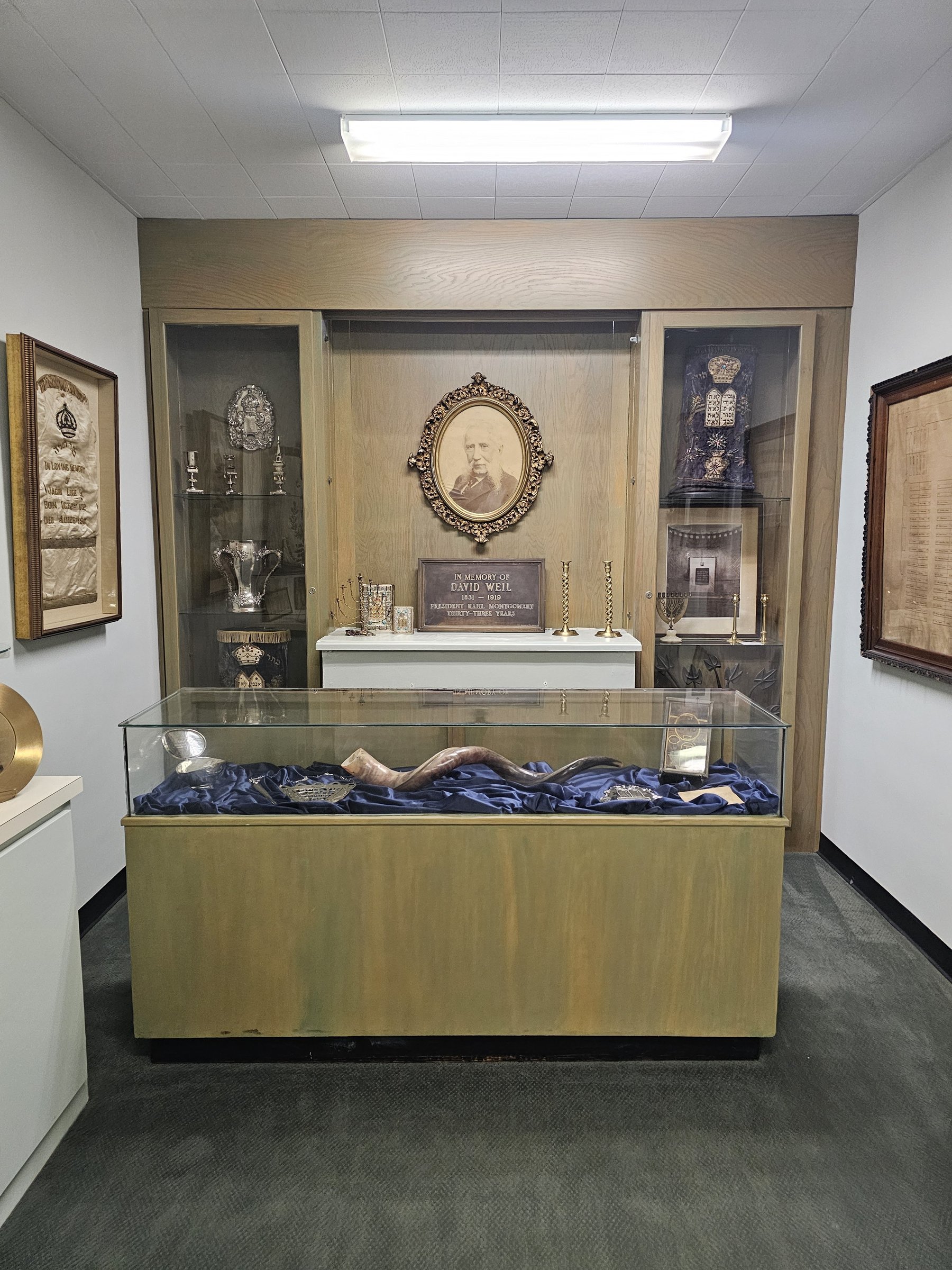
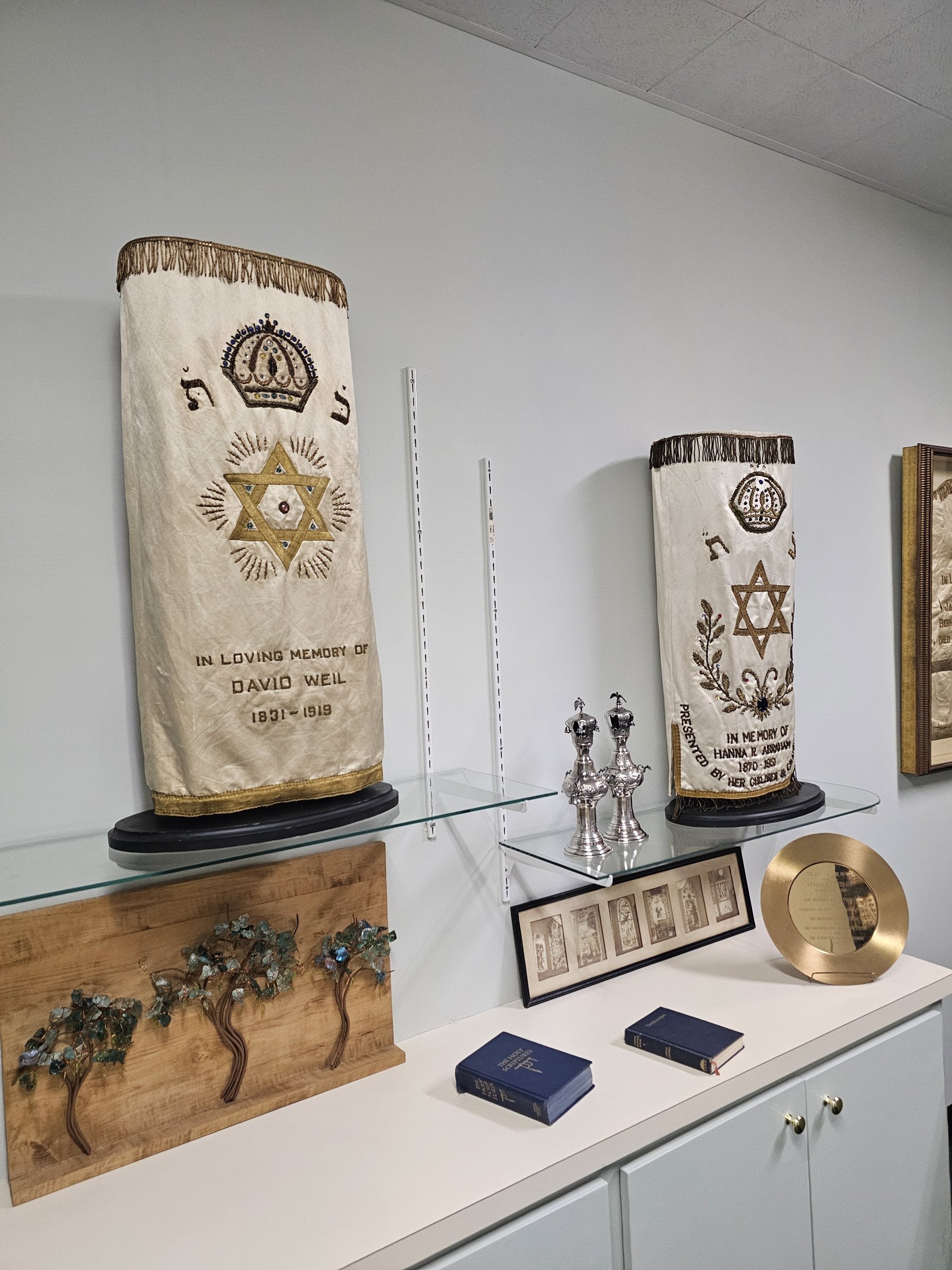
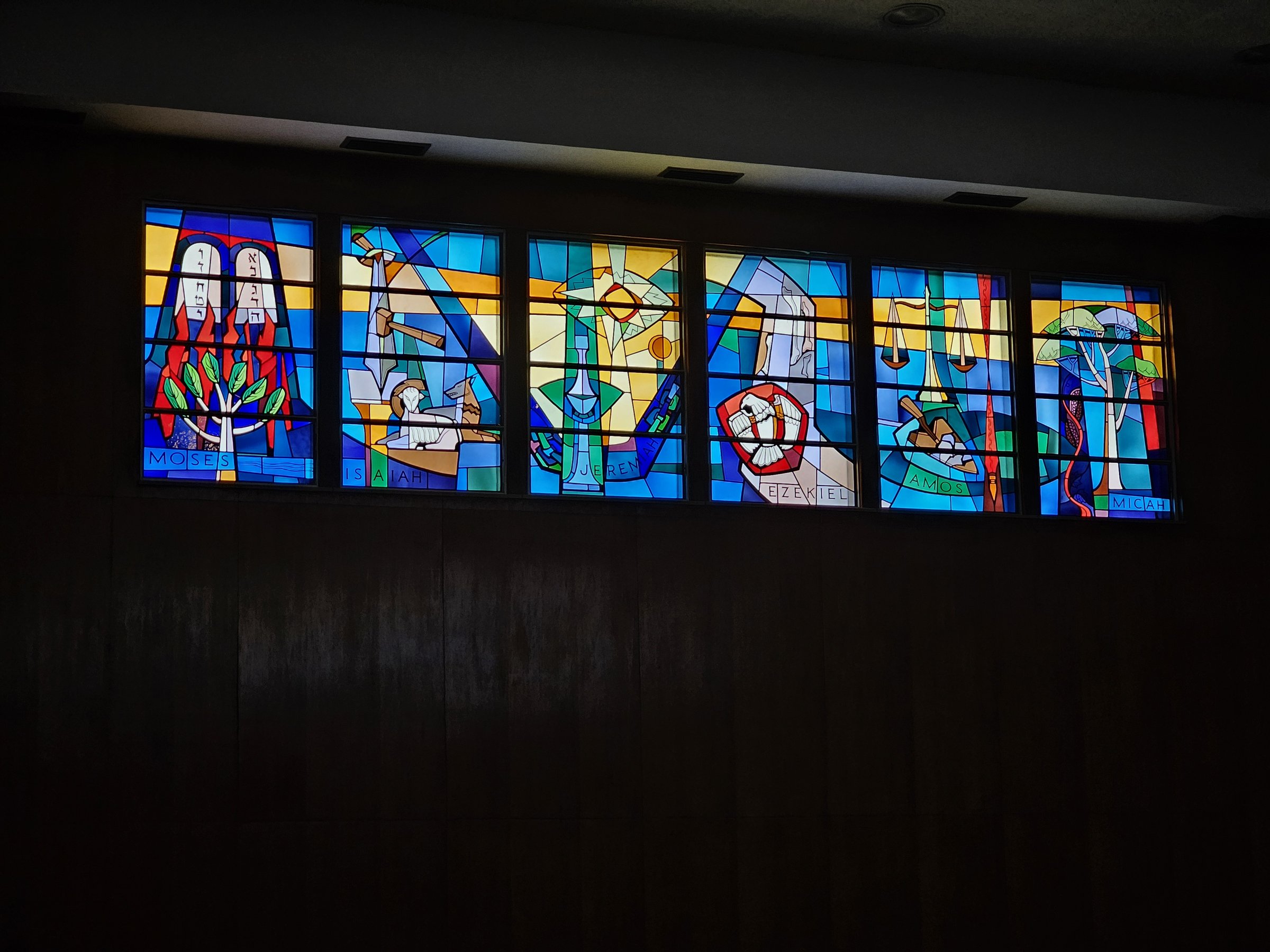
Jewish life has been part of Alabama for generations. Communities took root in Mobile, Montgomery, Birmingham, Huntsville, and smaller communities across the state. In Mobile, Congregation Sha’arai Shomayim was organized in 1844, making it Alabama’s oldest active Jewish congregation.
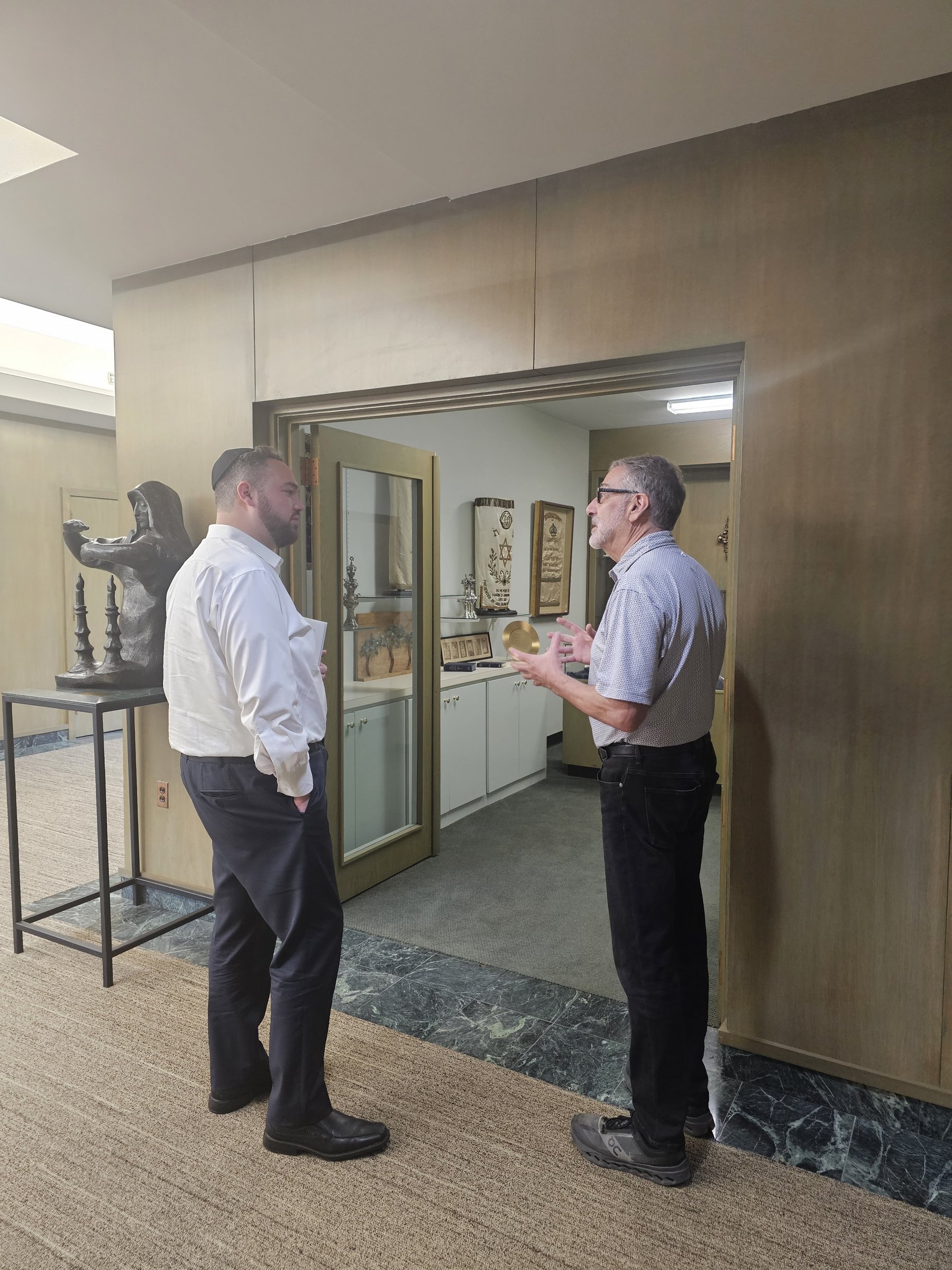
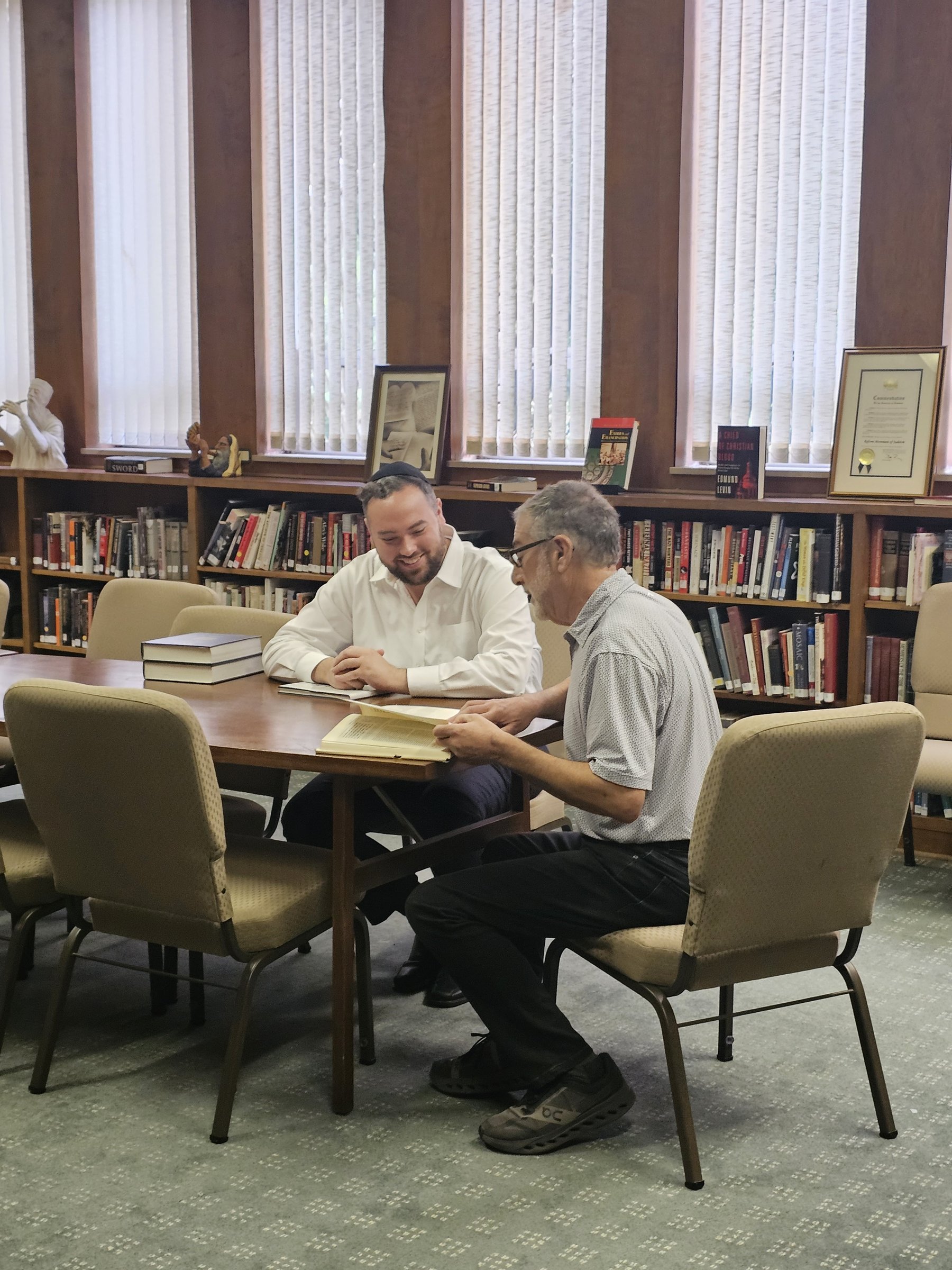
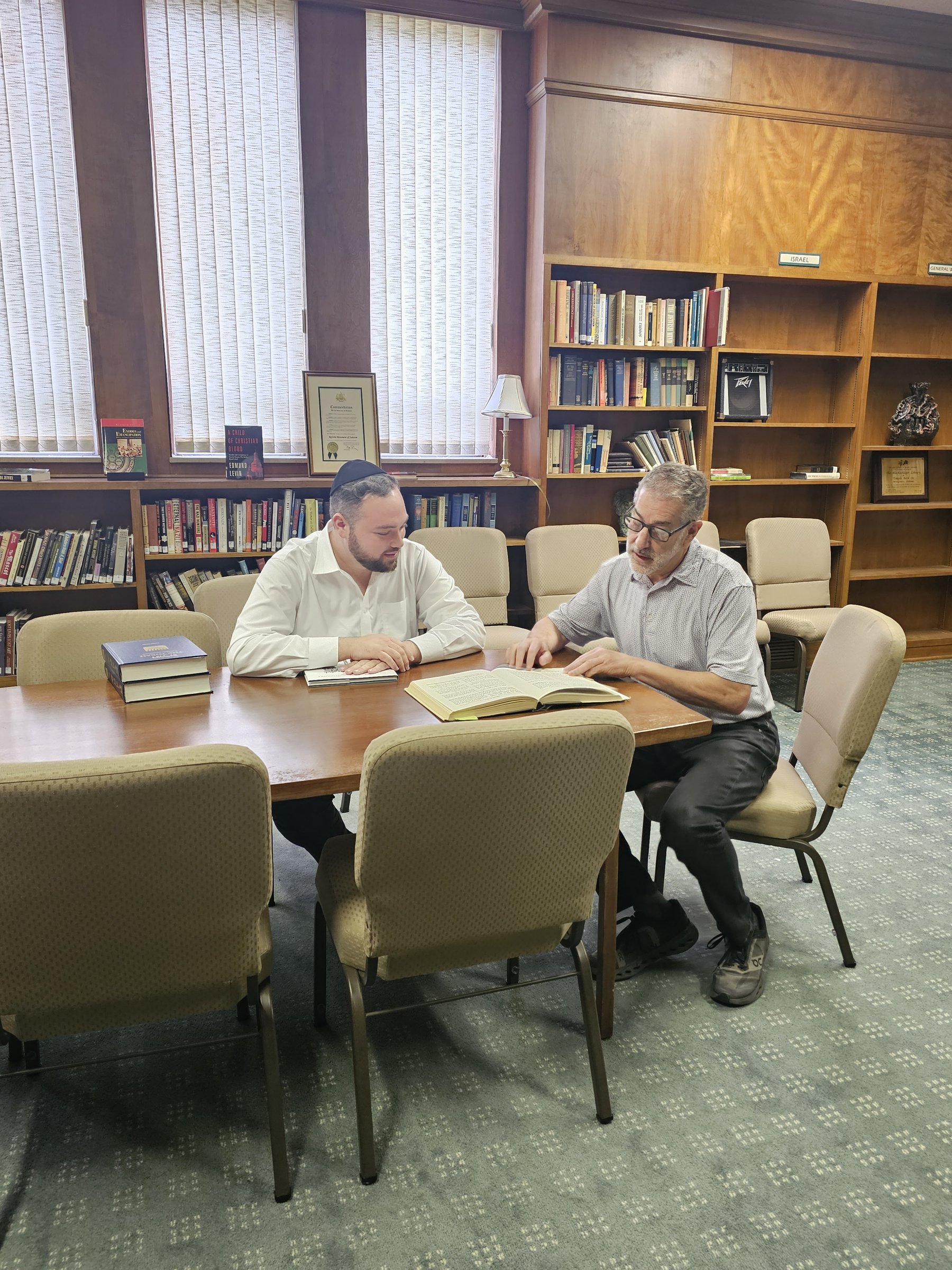
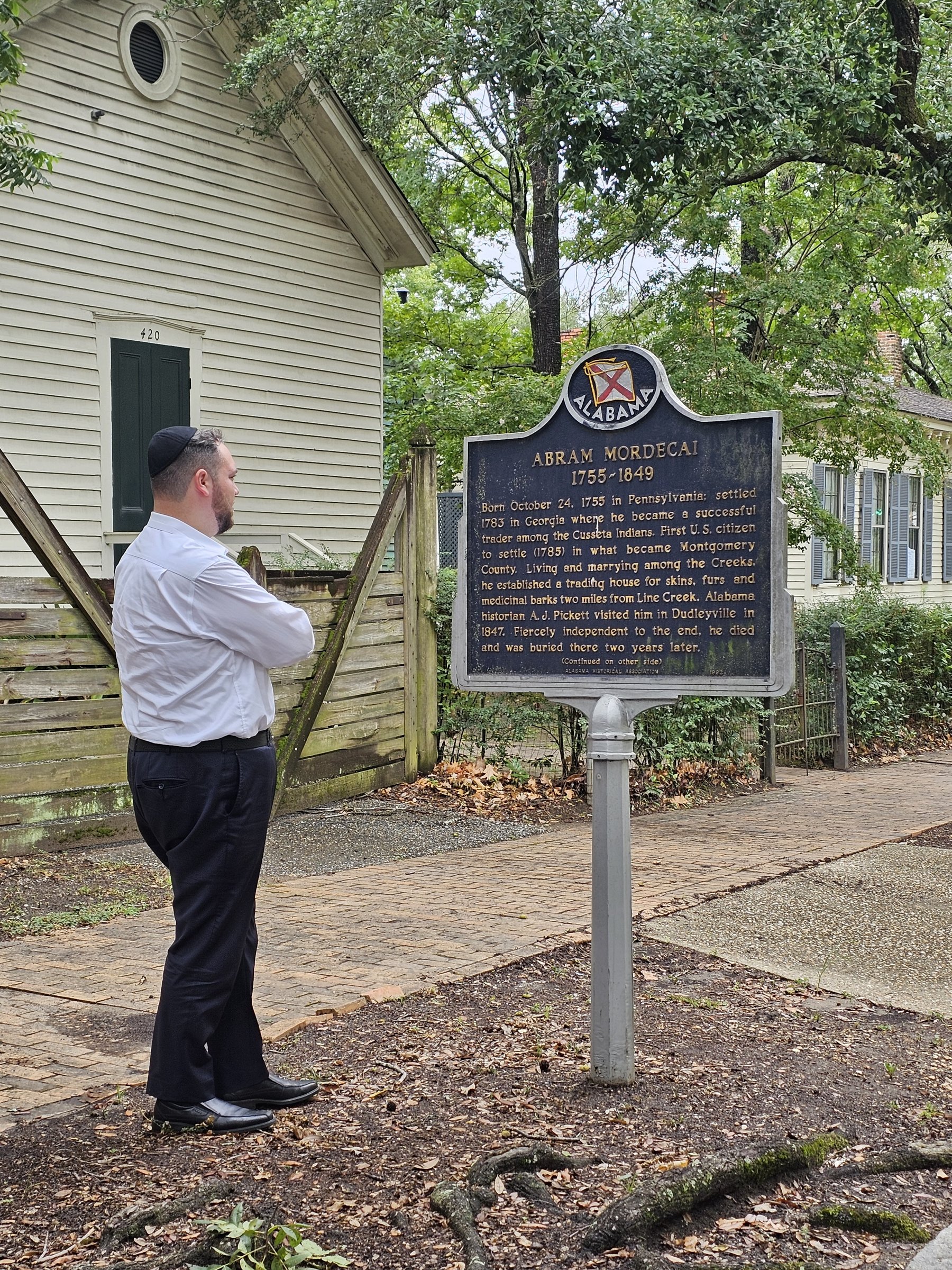
In Montgomery, I stopped at the marker commemorating Abraham Mordecai, the first recorded Jewish settler in Alabama and the first European American to settle in what is now Montgomery. I also had the honor of sitting with Rabbi Scott Looper of Temple Beth Or, one of the state’s oldest congregations. Its history is tied to Emanuel Lehman, cofounder of Lehman Brothers, who was among the Jewish immigrants who helped establish the community that became Temple Beth Or. Rabbi Looper and I had a fascinating conversation about Reform and Orthodox Judaism, their differences, and what each looks like in America today.
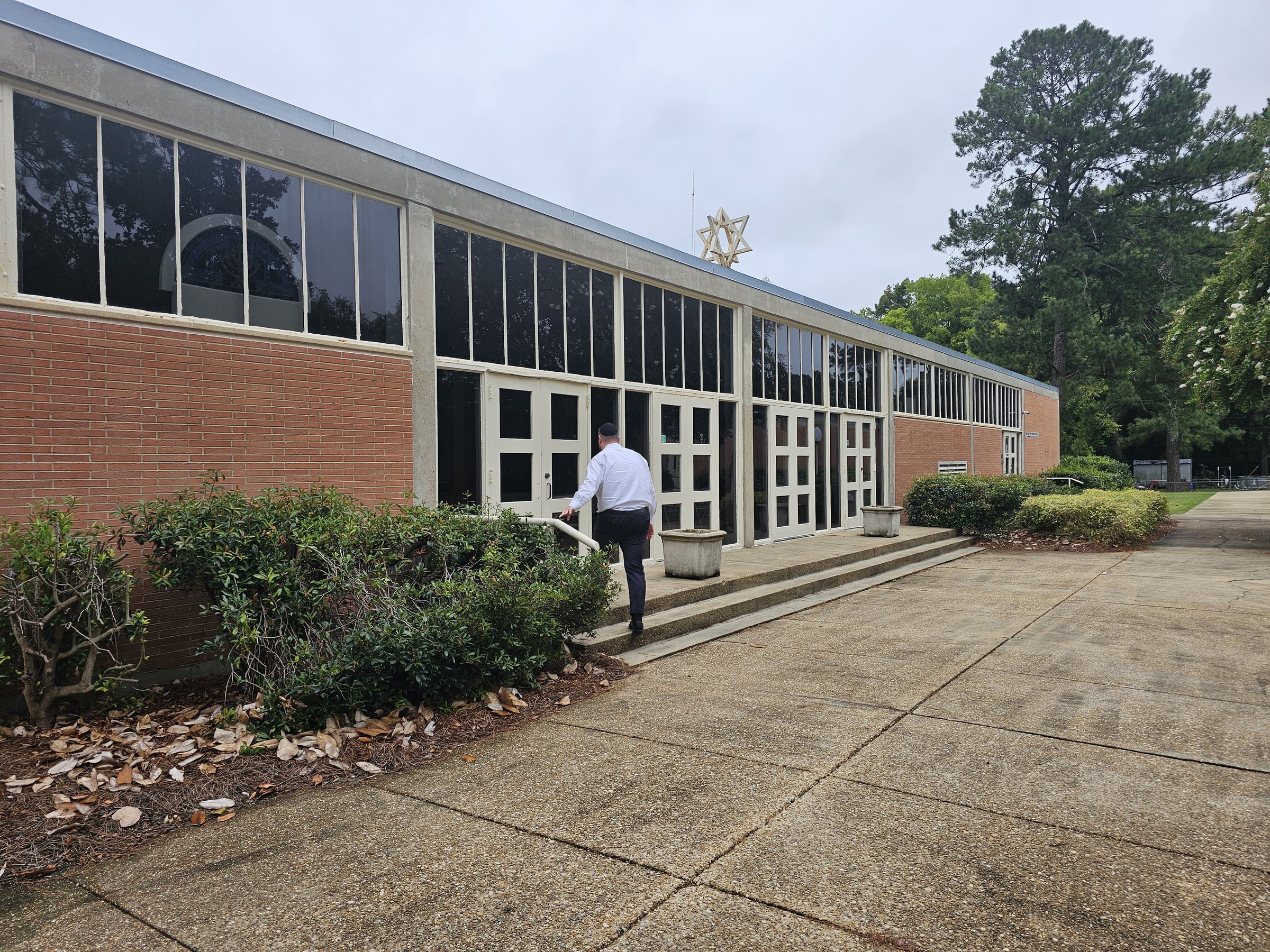
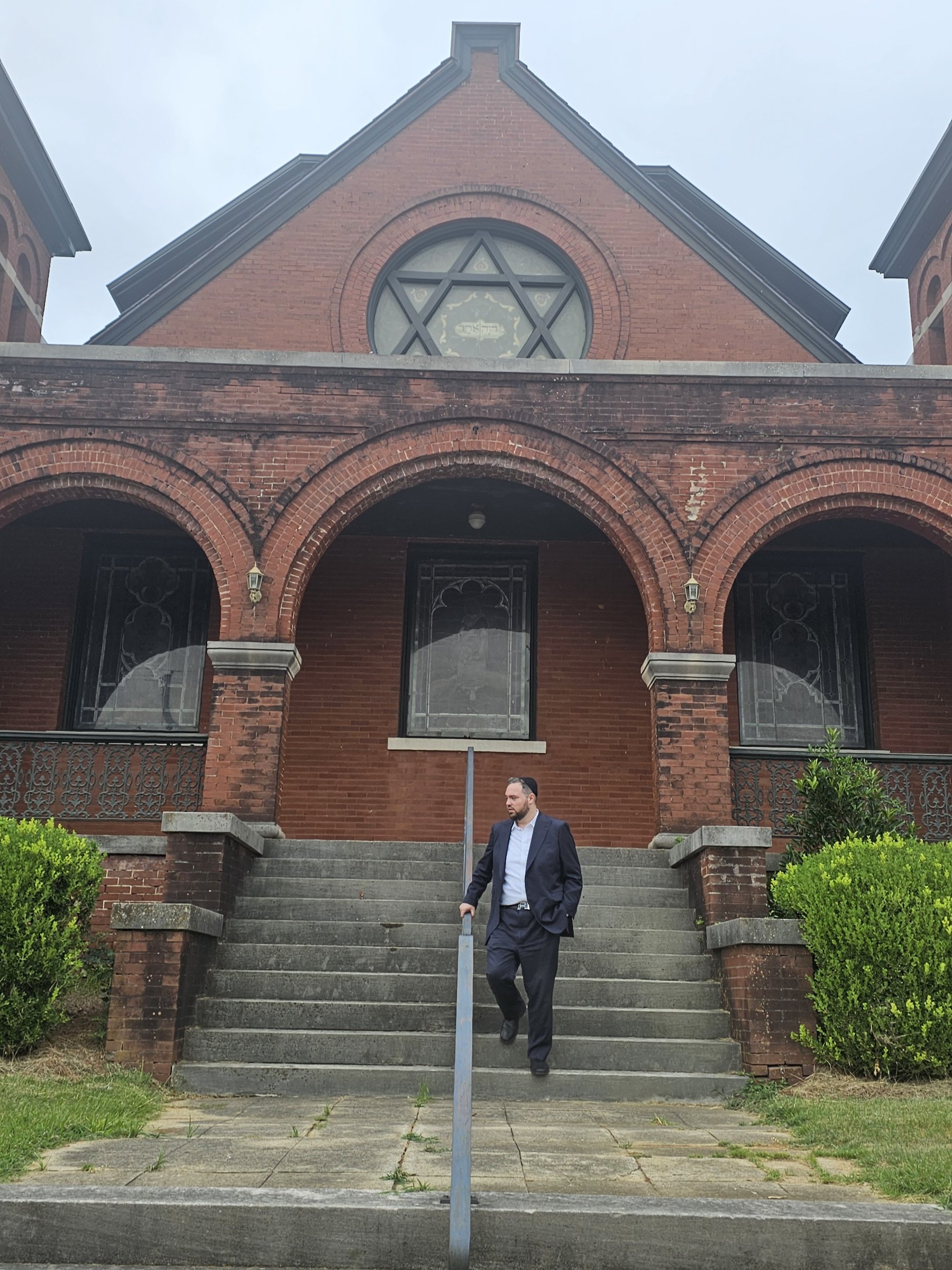
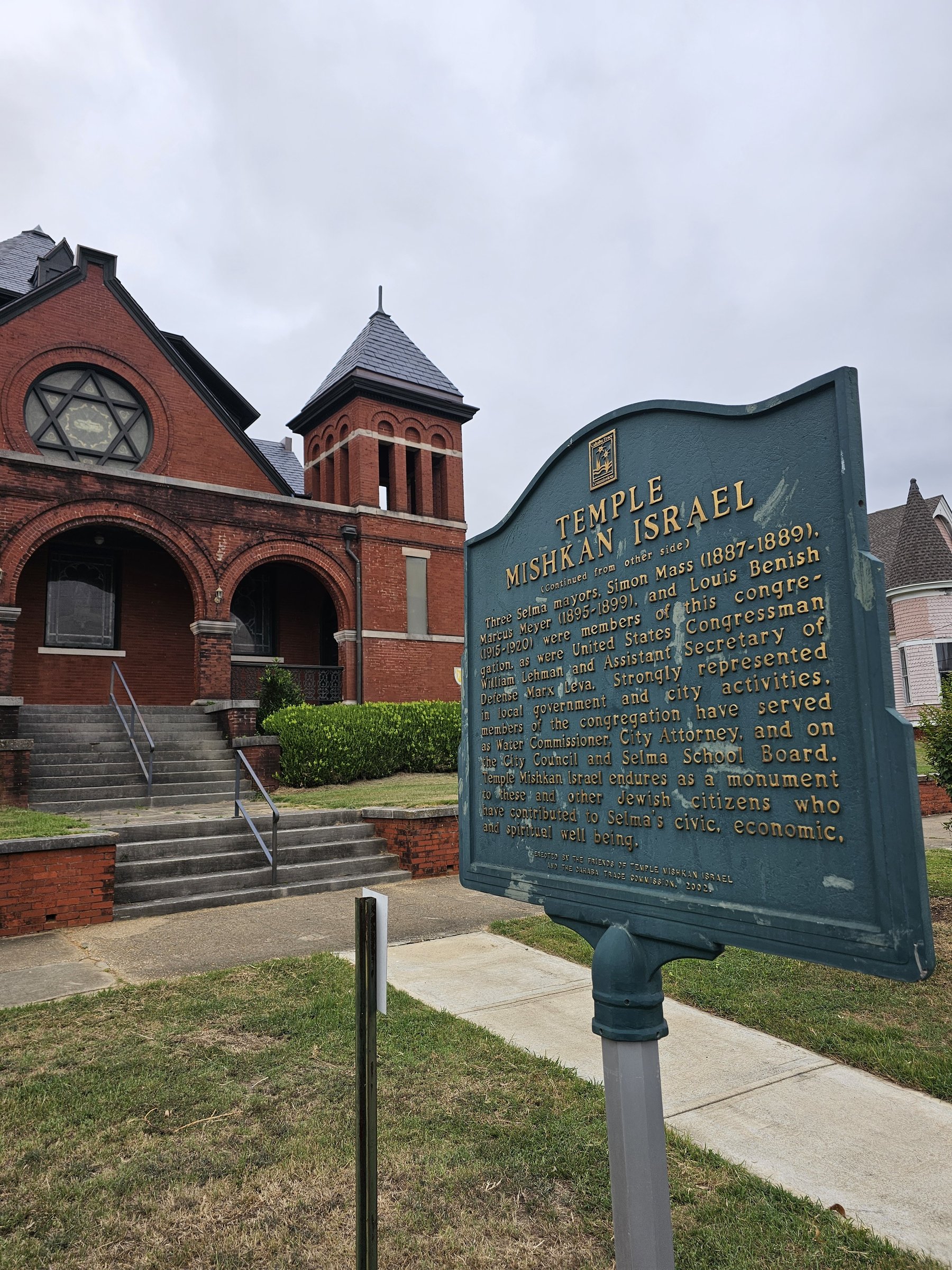
Across Alabama, I visited synagogues both active and forgotten, traces of Jewish communities that once flourished in places where few Jews remain today.
The numbers may be small, but the Jewish story of Alabama is very much alive.
What Stayed With Me
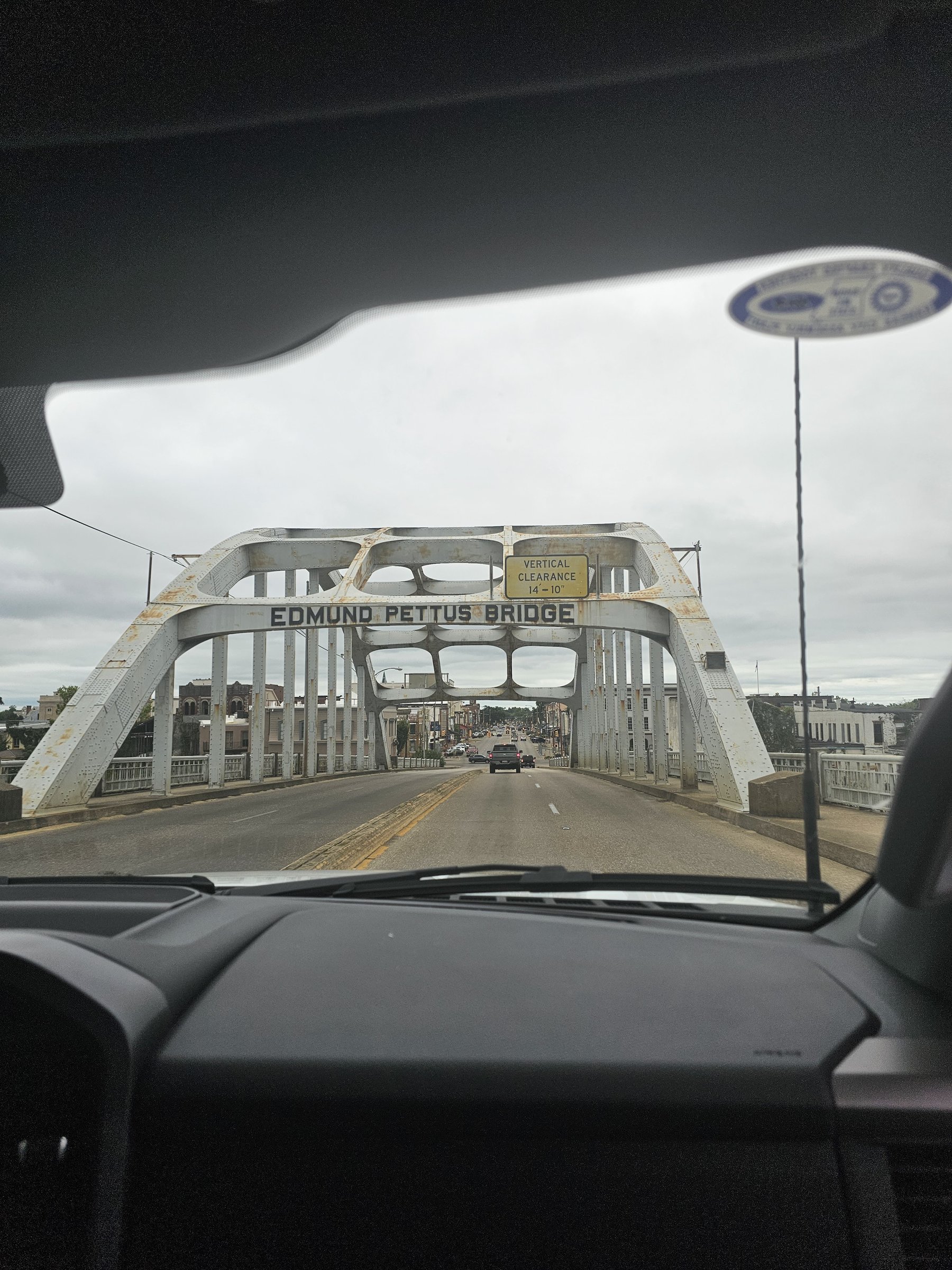
Walking across the Edmund Pettus Bridge, where Dr. Martin Luther King Jr. marched alongside Rabbi Abraham Joshua Heschel, I felt the weight of history in a way that is difficult to describe.
Alabama reminded me that the American story is rarely one clean line. The same state can carry the Confederacy, the struggle for civil rights, generations of Southern Jewish life, and the space program. Standing on that bridge, I felt how many of those stories intersected here, and how much of America’s struggle to live up to its own promises happened on this ground.
Have a story, an idea, or a reason to connect?
For editorial inquiries, media, speaking, collaborations, historical research, or simply a story you think I should know I'd be glad to hear from you.
Contact Dov